



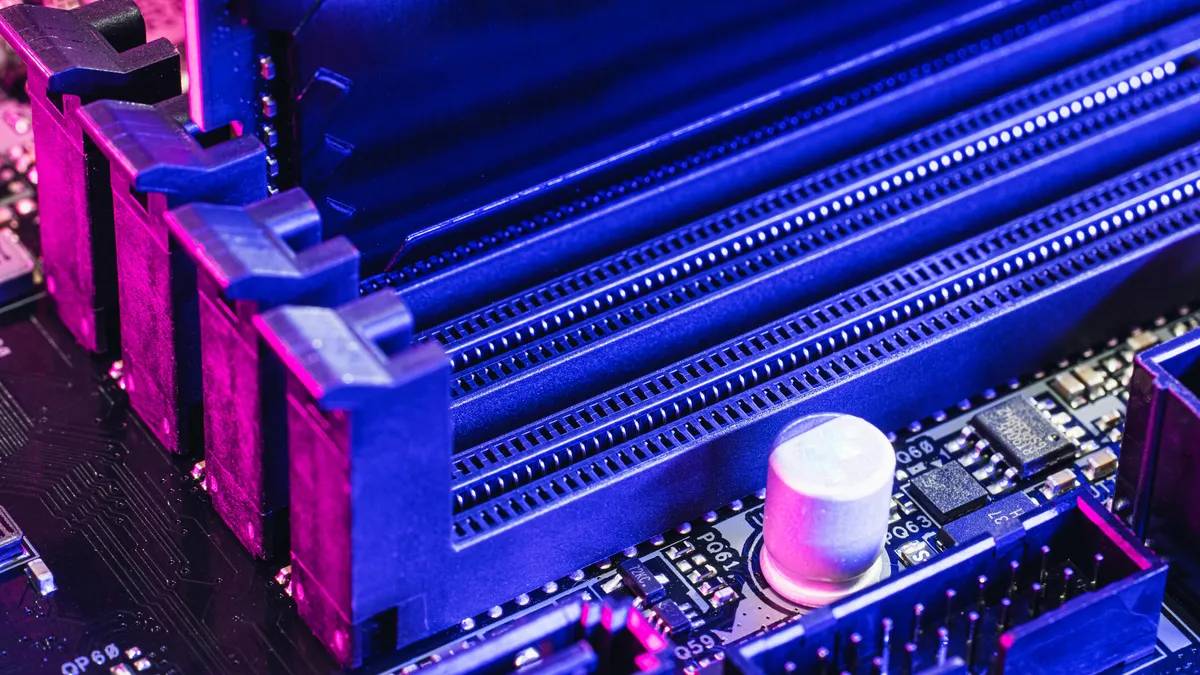
A new cost shock dubbed “RAMageddon” is emerging across the global electronics supply chain as artificial intelligence demand strains memory chip availability. The development, highlighted, signals rising pressure on laptop and smartphone pricing worldwide, with implications for manufacturers, consumers, and enterprise hardware procurement strategies.
The report outlines how surging demand for high-bandwidth memory used in AI systems is tightening global RAM supply. This imbalance is now spilling over into consumer electronics, pushing up costs for laptops, smartphones, and other computing devices.
Manufacturers are increasingly competing with AI infrastructure providers for limited memory chip output, redirecting supply chains toward data center and model training workloads. The result is a pricing ripple effect across consumer hardware markets. Industry observers warn that device makers may face margin compression or be forced to pass costs directly to consumers. The trend is being amplified by rapid AI server expansion across major cloud providers.)
The “RAMageddon” phenomenon reflects a structural shift in semiconductor demand driven by the explosive growth of artificial intelligence. Historically, memory chip cycles were shaped by smartphone upgrades and PC refresh rates. However, AI training and inference workloads now require significantly larger and faster memory capacities, altering traditional supply-demand dynamics.
As hyperscale data centers expand globally, suppliers are prioritizing high-margin enterprise contracts over consumer electronics. This is creating a bottleneck effect in DRAM and related memory technologies.
At the same time, the consumer electronics market led by companies such as Apple Inc. and Samsung Electronics is facing rising input costs at a time when demand for affordable devices remains highly sensitive. The shift underscores how AI infrastructure growth is reshaping upstream semiconductor economics, with ripple effects across global hardware pricing structures.
Industry analysts cited in the report suggest that the memory supply crunch is less a temporary shortage and more a structural reallocation of semiconductor capacity toward AI-driven workloads. Experts argue that AI model scaling has fundamentally altered chip design priorities, increasing demand for high-performance memory far beyond historical consumer usage patterns.
While no direct corporate statements specifically address “RAMageddon,” semiconductor strategists note that chipmakers are increasingly aligning production with long-term AI infrastructure contracts, which offer higher margins and predictable demand.
Technology commentators warn that this shift could create a two-tier hardware economy: premium AI-optimized computing systems and increasingly expensive consumer devices. Analysts also highlight that firms like CNET are amplifying awareness of these supply chain pressures, framing them as a key macroeconomic consequence of the AI boom.
For hardware manufacturers, rising memory costs threaten to compress margins or force price increases across product lines. This could slow upgrade cycles and impact global PC and smartphone demand. Enterprises dependent on large-scale device procurement may also face higher IT infrastructure costs.
For investors, the shift signals a potential re-rating of semiconductor and hardware equities as AI demand distorts traditional pricing models. Policymakers may increasingly scrutinize supply chain concentration risks, particularly if AI-driven demand continues to outpace consumer electronics requirements.
For consumers, the immediate implication is higher device prices and reduced affordability in entry-level computing segments. Analysts warn that without capacity expansion, pricing pressures may persist through multiple product cycles.
Looking ahead, the severity of RAM pricing pressures will depend on how quickly semiconductor manufacturers expand production capacity for high-bandwidth memory. If AI demand continues to accelerate, supply constraints may persist into the next hardware cycle. Market observers will closely watch whether new fabrication investments can rebalance supply or whether AI infrastructure continues to outcompete consumer electronics for chip allocation.
Source: CNET Report
Date: May 17, 2026


