
AI Cellular Mapping Advances Precision Cancer Research

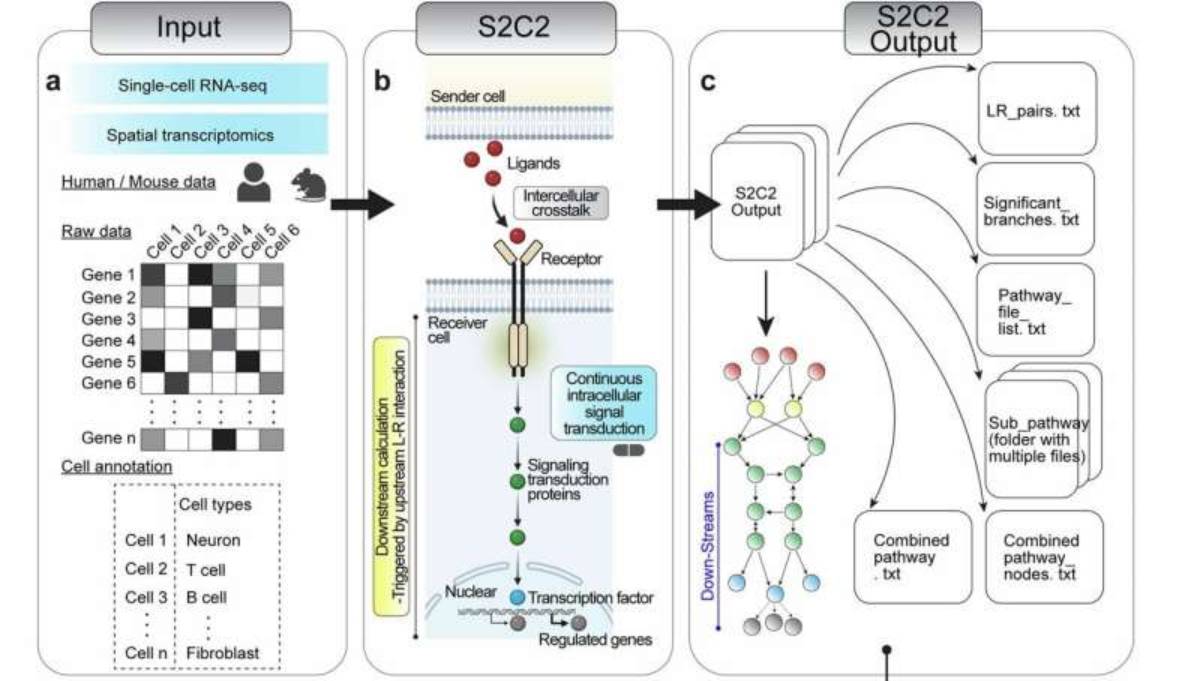
The newly developed AI platform is designed to analyze and interpret cellular interactions at a level previously difficult to achieve using traditional research methods.

May 15, 2026
|
Image Source: Medical Xpress

Researchers have unveiled an artificial intelligence platform capable of decoding complex cellular behavior linked to cancer progression, marking a significant step forward in precision medicine and biomedical analytics. The development could improve disease detection, treatment personalization, and pharmaceutical research, with implications for healthcare providers, biotech firms, and global medical innovation strategies.

The newly developed AI platform is designed to analyze and interpret cellular interactions at a level previously difficult to achieve using traditional research methods. Scientists say the system can rapidly process large biological datasets to identify patterns associated with tumor development, immune response behavior, and disease progression.

Key stakeholders include medical researchers, biotechnology companies, pharmaceutical developers, hospitals, and healthcare technology providers. The platform reflects broader momentum toward AI-assisted biomedical discovery, where machine learning models are increasingly used to accelerate diagnostics and therapeutic research. Analysts note that faster interpretation of cellular data could reduce research timelines and improve precision treatment development across oncology markets.

Artificial intelligence has become an increasingly important tool in healthcare and life sciences, particularly in areas involving large-scale biological data analysis. Cancer research generates vast amounts of genomic, molecular, and cellular information that can overwhelm conventional analytical systems. AI platforms are now being deployed to uncover hidden relationships within these datasets and accelerate scientific discovery.

The development aligns with a broader industry trend toward precision medicine, where treatments are tailored to individual patient biology rather than generalized protocols. Governments, healthcare systems, and pharmaceutical companies have significantly increased investment in AI-enabled diagnostics and drug discovery infrastructure over the past several years.

Historically, advances in computational biology have transformed areas such as genome sequencing and personalized medicine. Experts suggest AI-driven cellular analysis could represent the next major leap in oncology research and therapeutic development.

Healthcare analysts argue that AI-assisted cellular mapping could reshape how researchers identify disease mechanisms and evaluate treatment responses. Experts note that machine learning systems are particularly effective at detecting subtle biological correlations that may not be immediately visible through traditional laboratory analysis.

Biomedical specialists emphasize that the value of AI in healthcare depends heavily on data quality, transparency, and clinical validation. Researchers caution that while AI tools can accelerate discovery, human oversight remains essential in interpreting biological significance and ensuring patient safety.

Industry observers also highlight growing collaboration between technology companies, academic institutions, and pharmaceutical firms in developing AI-powered research platforms. Analysts believe these partnerships will play a critical role in scaling next-generation healthcare innovation and reducing the cost and complexity of advanced medical research.

For pharmaceutical and biotechnology firms, the breakthrough could shorten drug discovery cycles and improve the efficiency of clinical research programs. Healthcare providers may also benefit from more accurate diagnostics and personalized treatment planning supported by AI-driven biological analysis.

For investors, AI-enabled healthcare platforms are increasingly viewed as high-growth opportunities within the broader digital health and biotech sectors.

For policymakers and regulators, the rise of AI-assisted medical research raises important questions surrounding patient data privacy, algorithmic transparency, and clinical validation standards. Analysts suggest governments may intensify efforts to establish clearer regulatory frameworks for AI applications in healthcare and biomedical research.

Researchers are expected to continue expanding the platform’s capabilities across additional disease categories and clinical research applications. Decision-makers will closely monitor how effectively AI-driven systems translate laboratory findings into real-world treatment outcomes. While challenges surrounding regulation, validation, and interoperability remain, AI-powered biomedical analysis is poised to become an increasingly central component of future healthcare innovation strategies.

Source: Medical Xpress
Date: May 2026

  • Featured tools
Alli AI
Free

Alli AI is an all-in-one, AI-powered SEO automation platform that streamlines on-page optimization, site auditing, speed improvements, schema generation, internal linking, and ranking insights.

#
SEO
Learn more
Kreateable AI
Free

Kreateable AI is a white-label, AI-driven design platform that enables logo generation, social media posts, ads, and more for businesses, agencies, and service providers.

#
Logo Generator
Learn more

Learn more about future of AI

Join 80,000+ Ai enthusiast getting weekly updates on exciting AI tools.
Thank you! Your submission has been received!
Oops! Something went wrong while submitting the form.

AI Cellular Mapping Advances Precision Cancer Research

May 15, 2026

The newly developed AI platform is designed to analyze and interpret cellular interactions at a level previously difficult to achieve using traditional research methods.

Image Source: Medical Xpress

Researchers have unveiled an artificial intelligence platform capable of decoding complex cellular behavior linked to cancer progression, marking a significant step forward in precision medicine and biomedical analytics. The development could improve disease detection, treatment personalization, and pharmaceutical research, with implications for healthcare providers, biotech firms, and global medical innovation strategies.

The newly developed AI platform is designed to analyze and interpret cellular interactions at a level previously difficult to achieve using traditional research methods. Scientists say the system can rapidly process large biological datasets to identify patterns associated with tumor development, immune response behavior, and disease progression.

Key stakeholders include medical researchers, biotechnology companies, pharmaceutical developers, hospitals, and healthcare technology providers. The platform reflects broader momentum toward AI-assisted biomedical discovery, where machine learning models are increasingly used to accelerate diagnostics and therapeutic research. Analysts note that faster interpretation of cellular data could reduce research timelines and improve precision treatment development across oncology markets.

Artificial intelligence has become an increasingly important tool in healthcare and life sciences, particularly in areas involving large-scale biological data analysis. Cancer research generates vast amounts of genomic, molecular, and cellular information that can overwhelm conventional analytical systems. AI platforms are now being deployed to uncover hidden relationships within these datasets and accelerate scientific discovery.

The development aligns with a broader industry trend toward precision medicine, where treatments are tailored to individual patient biology rather than generalized protocols. Governments, healthcare systems, and pharmaceutical companies have significantly increased investment in AI-enabled diagnostics and drug discovery infrastructure over the past several years.

Historically, advances in computational biology have transformed areas such as genome sequencing and personalized medicine. Experts suggest AI-driven cellular analysis could represent the next major leap in oncology research and therapeutic development.

Healthcare analysts argue that AI-assisted cellular mapping could reshape how researchers identify disease mechanisms and evaluate treatment responses. Experts note that machine learning systems are particularly effective at detecting subtle biological correlations that may not be immediately visible through traditional laboratory analysis.

Biomedical specialists emphasize that the value of AI in healthcare depends heavily on data quality, transparency, and clinical validation. Researchers caution that while AI tools can accelerate discovery, human oversight remains essential in interpreting biological significance and ensuring patient safety.

Industry observers also highlight growing collaboration between technology companies, academic institutions, and pharmaceutical firms in developing AI-powered research platforms. Analysts believe these partnerships will play a critical role in scaling next-generation healthcare innovation and reducing the cost and complexity of advanced medical research.

For pharmaceutical and biotechnology firms, the breakthrough could shorten drug discovery cycles and improve the efficiency of clinical research programs. Healthcare providers may also benefit from more accurate diagnostics and personalized treatment planning supported by AI-driven biological analysis.

For investors, AI-enabled healthcare platforms are increasingly viewed as high-growth opportunities within the broader digital health and biotech sectors.

For policymakers and regulators, the rise of AI-assisted medical research raises important questions surrounding patient data privacy, algorithmic transparency, and clinical validation standards. Analysts suggest governments may intensify efforts to establish clearer regulatory frameworks for AI applications in healthcare and biomedical research.

Researchers are expected to continue expanding the platform’s capabilities across additional disease categories and clinical research applications. Decision-makers will closely monitor how effectively AI-driven systems translate laboratory findings into real-world treatment outcomes. While challenges surrounding regulation, validation, and interoperability remain, AI-powered biomedical analysis is poised to become an increasingly central component of future healthcare innovation strategies.

Source: Medical Xpress
Date: May 2026

Promote Your Tool

Copy Embed Code

Similar Blogs

June 22, 2026
|

Swiss Research Advances Wound Healing Breakthrough

Researchers in Switzerland are developing innovative wound-healing techniques that move beyond conventional treatments, leveraging engineered microbiological systems and mechanical stimulation of tissue regeneration.
Read more
June 22, 2026
|

Swiss Startups Join DeepMind Accelerator Push

The first batch of the Google DeepMind Accelerator has selected three startups from Switzerland, positioning them among a global cohort of high-potential AI innovators.
Read more
June 22, 2026
|

Switzerland Innovation Push Ahead VivaTech 2026

Switzerland has announced a coordinated delegation of startups, innovation agencies, and ecosystem partners for VivaTech 2026 in Paris.
Read more
June 22, 2026
|

Swiss Startups Secure EU Innovation Funding Boost

Four Swiss startups have been selected in the latest EIC Accelerator round, gaining access to a mix of grant funding and potential equity investment support.
Read more
June 22, 2026
|

Swiss Biotech Firms Showcase Innovation at BIO 2026

Swiss biotechnology companies took center stage at BIO 2026 in San Diego, presenting advancements across drug development, precision medicine, and biologics.
Read more
June 22, 2026
|

Equadis Secures Private Equity Backing

Equadis has officially brought in a private equity firm as a new strategic partner, marking a pivotal moment in its corporate evolution.
Read more