
AI Repricing Lifts Alibaba Tencent Outlook

Both Alibaba and Tencent have reported results that fell short of heightened investor expectations, driven by slower core business growth and macroeconomic pressure in China.

May 14, 2026
|
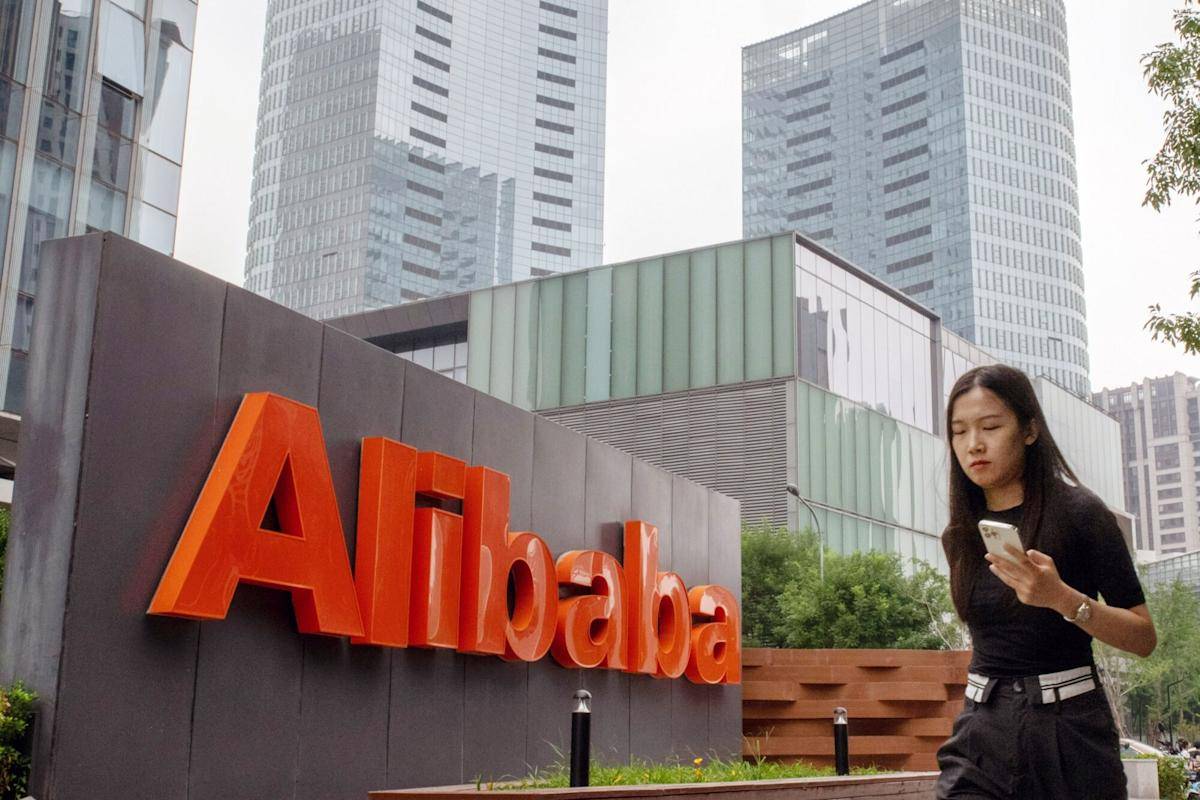
Image Source:  Yahoo Finance

A major shift is unfolding in investor sentiment as stakeholders in Alibaba Group and Tencent increasingly prioritize long-term artificial intelligence potential over near-term earnings softness. The transition signals a strategic repricing of China’s tech giants, reflecting global confidence that AI-driven transformation will outweigh short-term growth volatility.

Both Alibaba and Tencent have reported results that fell short of heightened investor expectations, driven by slower core business growth and macroeconomic pressure in China. However, market reactions indicate a growing willingness among investors to overlook short-term weakness in favor of future AI monetization potential.

Key stakeholders include global institutional investors, domestic Chinese capital markets, and technology analysts tracking AI infrastructure investments. Despite revenue concerns, both firms continue to invest heavily in cloud computing and generative AI platforms. Market positioning suggests a shift from traditional e-commerce and social media valuation models toward AI ecosystem-driven growth expectations.

The reassessment of Alibaba and Tencent comes amid a broader transformation of global technology markets, where artificial intelligence is reshaping valuation frameworks. Historically, both companies were valued primarily on e-commerce dominance, digital advertising, and gaming revenues. However, slowing domestic consumption and regulatory tightening in China have dampened near-term growth prospects.

At the same time, AI development has emerged as a new growth narrative. Cloud infrastructure, large language models, and enterprise AI services are becoming central to long-term expansion strategies. This shift aligns with global trends where technology giants are repositioning toward AI-first ecosystems. Geopolitically, China’s tech sector continues to navigate regulatory oversight while competing with US-based AI leaders, adding complexity to investor sentiment and capital allocation strategies.

Market analysts suggest that the divergence between short-term earnings performance and long-term AI potential is driving increased volatility in valuation models for Chinese tech giants. Some strategists argue that investors are effectively “looking through the cycle,” prioritizing structural AI adoption over quarterly fluctuations.

Industry observers note that both Alibaba and Tencent have expanded investments in cloud computing infrastructure and generative AI capabilities, positioning themselves as foundational players in China’s AI ecosystem. While company executives have not issued explicit forward guidance tied solely to AI valuation uplift, leadership statements have consistently emphasized AI as a core strategic pillar.

Financial commentators also highlight that global capital is increasingly sensitive to AI exposure, leading to differentiated valuations even among companies with similar current revenue profiles. For global investors, the shift indicates a recalibration of risk tolerance, where AI potential can outweigh weak short-term earnings performance. This may encourage increased capital flows into AI-linked assets despite macroeconomic uncertainty in China.

For businesses, particularly in the technology sector, the trend reinforces the need to articulate clear AI transformation strategies to sustain investor confidence. For policymakers, especially in China, the balancing act between regulation and innovation becomes more critical as AI emerges as a strategic growth engine. Excessive constraints could slow competitiveness, while relaxed oversight may accelerate global integration of Chinese AI platforms.

Market focus will shift toward execution of AI strategies, including monetization timelines, cloud expansion, and model deployment scale. Investors will closely monitor whether Alibaba and Tencent can convert AI investments into measurable revenue acceleration. Volatility is expected to persist as macroeconomic conditions and regulatory developments continue to influence sentiment across China’s technology sector.

Source: Yahoo Finance – Technology Sector Coverage
Date: May 14, 2026

  • Featured tools
Hostinger Website Builder
Paid

Hostinger Website Builder is a drag-and-drop website creator bundled with hosting and AI-powered tools, designed for businesses, blogs and small shops with minimal technical effort.It makes launching a site fast and affordable, with templates, responsive design and built-in hosting all in one.

#
Productivity
#
Startup Tools
#
Ecommerce
Learn more
Symphony Ayasdi AI
Free

SymphonyAI Sensa is an AI-powered surveillance and financial crime detection platform that surfaces hidden risk behavior through explainable, AI-driven analytics.

#
Finance
Learn more

Learn more about future of AI

Join 80,000+ Ai enthusiast getting weekly updates on exciting AI tools.
Thank you! Your submission has been received!
Oops! Something went wrong while submitting the form.

AI Repricing Lifts Alibaba Tencent Outlook

May 14, 2026

Both Alibaba and Tencent have reported results that fell short of heightened investor expectations, driven by slower core business growth and macroeconomic pressure in China.

Image Source:  Yahoo Finance

A major shift is unfolding in investor sentiment as stakeholders in Alibaba Group and Tencent increasingly prioritize long-term artificial intelligence potential over near-term earnings softness. The transition signals a strategic repricing of China’s tech giants, reflecting global confidence that AI-driven transformation will outweigh short-term growth volatility.

Both Alibaba and Tencent have reported results that fell short of heightened investor expectations, driven by slower core business growth and macroeconomic pressure in China. However, market reactions indicate a growing willingness among investors to overlook short-term weakness in favor of future AI monetization potential.

Key stakeholders include global institutional investors, domestic Chinese capital markets, and technology analysts tracking AI infrastructure investments. Despite revenue concerns, both firms continue to invest heavily in cloud computing and generative AI platforms. Market positioning suggests a shift from traditional e-commerce and social media valuation models toward AI ecosystem-driven growth expectations.

The reassessment of Alibaba and Tencent comes amid a broader transformation of global technology markets, where artificial intelligence is reshaping valuation frameworks. Historically, both companies were valued primarily on e-commerce dominance, digital advertising, and gaming revenues. However, slowing domestic consumption and regulatory tightening in China have dampened near-term growth prospects.

At the same time, AI development has emerged as a new growth narrative. Cloud infrastructure, large language models, and enterprise AI services are becoming central to long-term expansion strategies. This shift aligns with global trends where technology giants are repositioning toward AI-first ecosystems. Geopolitically, China’s tech sector continues to navigate regulatory oversight while competing with US-based AI leaders, adding complexity to investor sentiment and capital allocation strategies.

Market analysts suggest that the divergence between short-term earnings performance and long-term AI potential is driving increased volatility in valuation models for Chinese tech giants. Some strategists argue that investors are effectively “looking through the cycle,” prioritizing structural AI adoption over quarterly fluctuations.

Industry observers note that both Alibaba and Tencent have expanded investments in cloud computing infrastructure and generative AI capabilities, positioning themselves as foundational players in China’s AI ecosystem. While company executives have not issued explicit forward guidance tied solely to AI valuation uplift, leadership statements have consistently emphasized AI as a core strategic pillar.

Financial commentators also highlight that global capital is increasingly sensitive to AI exposure, leading to differentiated valuations even among companies with similar current revenue profiles. For global investors, the shift indicates a recalibration of risk tolerance, where AI potential can outweigh weak short-term earnings performance. This may encourage increased capital flows into AI-linked assets despite macroeconomic uncertainty in China.

For businesses, particularly in the technology sector, the trend reinforces the need to articulate clear AI transformation strategies to sustain investor confidence. For policymakers, especially in China, the balancing act between regulation and innovation becomes more critical as AI emerges as a strategic growth engine. Excessive constraints could slow competitiveness, while relaxed oversight may accelerate global integration of Chinese AI platforms.

Market focus will shift toward execution of AI strategies, including monetization timelines, cloud expansion, and model deployment scale. Investors will closely monitor whether Alibaba and Tencent can convert AI investments into measurable revenue acceleration. Volatility is expected to persist as macroeconomic conditions and regulatory developments continue to influence sentiment across China’s technology sector.

Source: Yahoo Finance – Technology Sector Coverage
Date: May 14, 2026

Promote Your Tool

Copy Embed Code

Similar Blogs

May 14, 2026
|

ChatGPT Outage Highlights AI Infrastructure Reliance

Users of ChatGPT experienced temporary errors indicating content loading failures, interrupting access to AI-generated responses.
Read more
May 14, 2026
|

Chrome On Device AI Raises Gemini Storage Risk

Reports indicate that Google Chrome may install or cache a sizable AI model, Gemini Nano, on user devices to enable faster on-device AI processing.
Read more
May 14, 2026
|

Amazon AI Commerce Shift Alexa Rufus Role

Amazon’s decision to position Alexa as the primary AI shopping interface marks a strategic restructuring of its retail AI stack.
Read more
May 14, 2026
|

Google Books Gains AI Magic Pointer

Google’s new Magic Pointer functionality allows users to interact with digital books in a more dynamic way, enabling contextual insights, instant explanations, and intelligent navigation across text.
Read more
May 14, 2026
|

Microsoft Edge Gains AI Cross-Tab Intelligence

Microsoft’s updated Edge Copilot now enables users to leverage AI that can extract, compare, and summarize content across multiple open tabs simultaneously.
Read more
May 14, 2026
|

Robotics Market Expands with Unitree Mecha Launch

Unitree’s latest offering is a large-scale, transformable robotic “mecha” system priced at approximately $650,000, positioning it in the ultra-premium robotics segment.
Read more