
Altman’s Growing AI Power Sparks Trust Questions

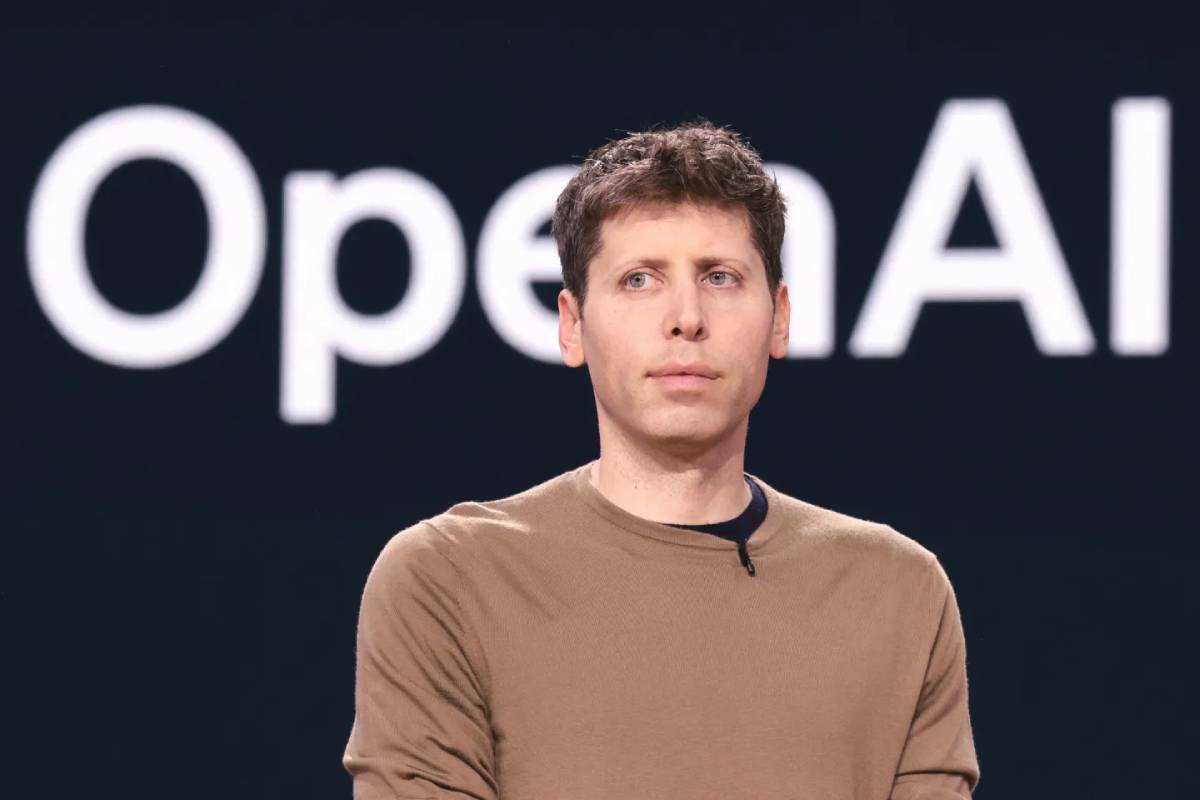
The report highlights Sam Altman’s central role in shaping the trajectory of advanced AI systems through his leadership at OpenAI. It underscores concerns about concentration of power, decision-making authority, and the long-term societal impact of AI technologies

April 7, 2026
|

A major development unfolded as scrutiny intensifies around Sam Altman and his growing influence over artificial intelligence. The debate centers on trust, governance, and control of transformative technologies, signaling a pivotal moment with far-reaching implications for global markets, policymakers, and corporate leaders navigating the AI era.

The report highlights Sam Altman’s central role in shaping the trajectory of advanced AI systems through his leadership at OpenAI. It underscores concerns about concentration of power, decision-making authority, and the long-term societal impact of AI technologies.

Key stakeholders include governments, global enterprises, investors, and billions of users interacting with AI systems. The timeline reflects rapid developments over the past few years, with OpenAI launching increasingly powerful models and expanding commercial partnerships.

The article raises critical questions about accountability, transparency, and the influence of private entities in determining the future of AI issues that intersect with geopolitics, economic competition, and regulatory oversight.

The development aligns with a broader global trend where a small group of technology leaders and companies wield disproportionate influence over AI innovation. Over the past decade, AI has transitioned from a niche research field to a foundational technology underpinning industries such as healthcare, finance, defense, and education.

Historically, transformative technologies from nuclear energy to the internet have prompted debates about centralized control versus distributed governance. In the AI context, these concerns are amplified by the technology’s speed of advancement and its potential societal impact.

Geopolitically, AI leadership has become a strategic priority for nations, with the U.S., China, and Europe competing for dominance. Within this landscape, figures like Altman represent not just corporate leadership but also a nexus of technological, economic, and political influence, raising questions about checks and balances in AI development.

Industry analysts suggest that the concentration of AI leadership in a few organizations necessitates stronger governance frameworks and international collaboration. Experts emphasize that trust in AI systems depends on transparency, ethical safeguards, and accountability mechanisms.

Some observers view Altman as a visionary driving innovation responsibly, citing efforts to promote AI safety and alignment research. Others express concern about the risks of centralized control, arguing that decisions affecting global populations should not rest with a limited group of private actors.

Policy experts highlight the need for regulatory oversight that balances innovation with public interest, including independent audits, ethical review boards, and international standards. The discourse reflects a broader tension between rapid technological progress and the societal need for oversight, accountability, and equitable access.

For global executives, the debate underscores the importance of aligning AI strategies with governance, transparency, and ethical considerations. Companies may need to evaluate dependencies on major AI providers and diversify technology partnerships to mitigate risk.

Investors are likely to scrutinize companies’ exposure to AI governance challenges, while markets may respond to regulatory developments affecting leading AI firms. Policymakers could accelerate efforts to establish frameworks governing AI development, deployment, and accountability.

Analysts warn that organizations ignoring governance risks may face reputational damage, regulatory penalties, or operational disruptions, making responsible AI adoption a strategic imperative for long-term competitiveness.

Looking ahead, the global conversation around AI leadership and trust is expected to intensify. Decision-makers should monitor regulatory initiatives, corporate governance reforms, and technological advancements shaping the AI ecosystem.

As AI becomes increasingly embedded in economic and societal systems, the balance between innovation, control, and accountability will define the next phase of global technology leadership making trust a central pillar of future growth.

Source: The New Yorker
Date: April 2026

  • Featured tools
Murf Ai
Free

Murf AI Review – Advanced AI Voice Generator for Realistic Voiceovers

#
Text to Speech
Learn more
Figstack AI
Free

Figstack AI is an intelligent assistant for developers that explains code, generates docstrings, converts code between languages, and analyzes time complexity helping you work smarter, not harder.

#
Coding
Learn more

Learn more about future of AI

Join 80,000+ Ai enthusiast getting weekly updates on exciting AI tools.
Thank you! Your submission has been received!
Oops! Something went wrong while submitting the form.

Altman’s Growing AI Power Sparks Trust Questions

April 7, 2026

The report highlights Sam Altman’s central role in shaping the trajectory of advanced AI systems through his leadership at OpenAI. It underscores concerns about concentration of power, decision-making authority, and the long-term societal impact of AI technologies

A major development unfolded as scrutiny intensifies around Sam Altman and his growing influence over artificial intelligence. The debate centers on trust, governance, and control of transformative technologies, signaling a pivotal moment with far-reaching implications for global markets, policymakers, and corporate leaders navigating the AI era.

The report highlights Sam Altman’s central role in shaping the trajectory of advanced AI systems through his leadership at OpenAI. It underscores concerns about concentration of power, decision-making authority, and the long-term societal impact of AI technologies.

Key stakeholders include governments, global enterprises, investors, and billions of users interacting with AI systems. The timeline reflects rapid developments over the past few years, with OpenAI launching increasingly powerful models and expanding commercial partnerships.

The article raises critical questions about accountability, transparency, and the influence of private entities in determining the future of AI issues that intersect with geopolitics, economic competition, and regulatory oversight.

The development aligns with a broader global trend where a small group of technology leaders and companies wield disproportionate influence over AI innovation. Over the past decade, AI has transitioned from a niche research field to a foundational technology underpinning industries such as healthcare, finance, defense, and education.

Historically, transformative technologies from nuclear energy to the internet have prompted debates about centralized control versus distributed governance. In the AI context, these concerns are amplified by the technology’s speed of advancement and its potential societal impact.

Geopolitically, AI leadership has become a strategic priority for nations, with the U.S., China, and Europe competing for dominance. Within this landscape, figures like Altman represent not just corporate leadership but also a nexus of technological, economic, and political influence, raising questions about checks and balances in AI development.

Industry analysts suggest that the concentration of AI leadership in a few organizations necessitates stronger governance frameworks and international collaboration. Experts emphasize that trust in AI systems depends on transparency, ethical safeguards, and accountability mechanisms.

Some observers view Altman as a visionary driving innovation responsibly, citing efforts to promote AI safety and alignment research. Others express concern about the risks of centralized control, arguing that decisions affecting global populations should not rest with a limited group of private actors.

Policy experts highlight the need for regulatory oversight that balances innovation with public interest, including independent audits, ethical review boards, and international standards. The discourse reflects a broader tension between rapid technological progress and the societal need for oversight, accountability, and equitable access.

For global executives, the debate underscores the importance of aligning AI strategies with governance, transparency, and ethical considerations. Companies may need to evaluate dependencies on major AI providers and diversify technology partnerships to mitigate risk.

Investors are likely to scrutinize companies’ exposure to AI governance challenges, while markets may respond to regulatory developments affecting leading AI firms. Policymakers could accelerate efforts to establish frameworks governing AI development, deployment, and accountability.

Analysts warn that organizations ignoring governance risks may face reputational damage, regulatory penalties, or operational disruptions, making responsible AI adoption a strategic imperative for long-term competitiveness.

Looking ahead, the global conversation around AI leadership and trust is expected to intensify. Decision-makers should monitor regulatory initiatives, corporate governance reforms, and technological advancements shaping the AI ecosystem.

As AI becomes increasingly embedded in economic and societal systems, the balance between innovation, control, and accountability will define the next phase of global technology leadership making trust a central pillar of future growth.

Source: The New Yorker
Date: April 2026

Promote Your Tool

Copy Embed Code

Similar Blogs

June 26, 2026
|

AI Fashion Drives Luxembourg Innovation

The campaign brought together fashion retailer Engelhorn and Luxembourg-based AI company LetzAI to create what is presented as the country's first AI-generated fashion marketing campaign.
Read more
June 26, 2026
|

AI Powers Luxembourg Innovation Wave

Luxembourg's Interdisciplinary Centre for Security, Reliability and Trust (SnT) hosted its Partnership Day to showcase real-world artificial intelligence applications developed through collaboration between academia and industry.
Read more
June 26, 2026
|

Ad Free Platform Challenges Big Tech

The founder behind the Luxembourg-based platform argues that the word "user" reduces individuals to products within advertising-driven business models.
Read more
June 26, 2026
|

Healthtech Leaders Drive Bold Innovation

Industry experts speaking within Luxembourg's healthtech ecosystem emphasized that regulatory compliance should be viewed as a strategic advantage rather than an obstacle for innovators.
Read more
June 26, 2026
|

EY Startup Cup Intensifies Innovation

The EY Startup World Cup provides emerging companies with an opportunity to compete for international recognition, investor exposure, and potential access to global markets.
Read more
June 26, 2026
|

QR Parking Scam Sparks Concerns

Fraudsters reportedly placed counterfeit QR code stickers over legitimate parking meter payment codes, directing unsuspecting drivers to fraudulent websites designed to collect payment details and personal information.
Read more