
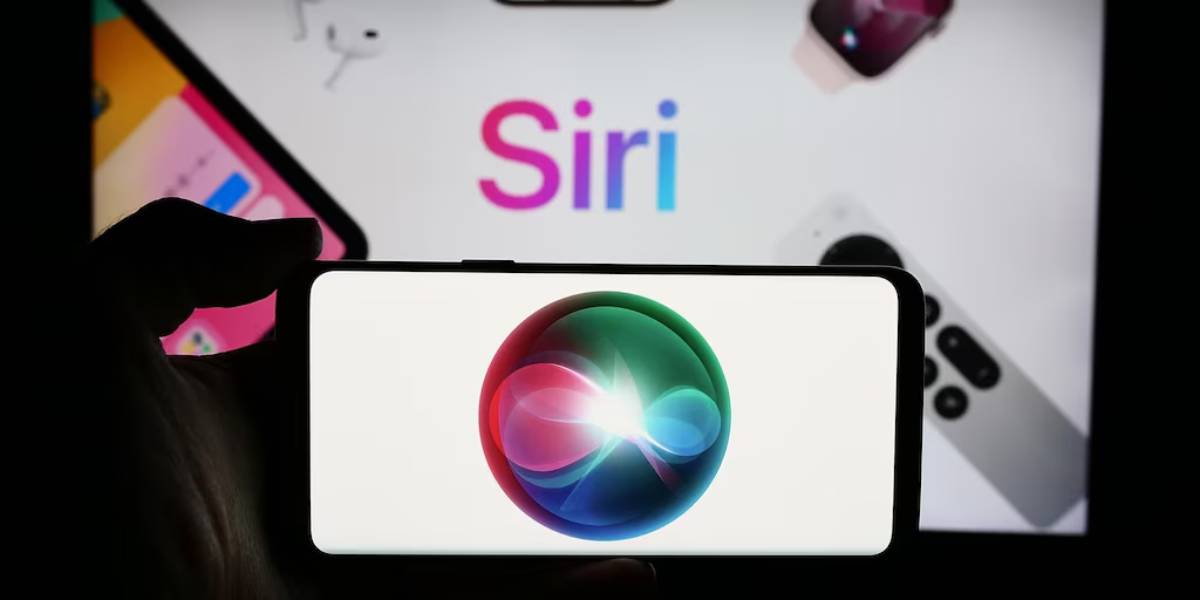
Apple Settles Siri AI Advertising Case

Apple reached a settlement resolving claims that it misrepresented the capabilities of its AI-enhanced Siri assistant.

May 6, 2026
|

Apple has settled a lawsuit alleging false advertising tied to its AI-powered Siri assistant, reinforcing growing scrutiny over how companies market artificial intelligence capabilities. The case highlights increasing legal pressure on tech firms, with implications for consumer trust, regulatory oversight, and corporate communications strategies.

Apple reached a settlement resolving claims that it misrepresented the capabilities of its AI-enhanced Siri assistant. The lawsuit alleged that marketing materials overstated the functionality and performance of AI features offered to consumers.

The settlement avoids prolonged litigation but brings attention to how AI products are positioned in the market. While financial terms may not fully reflect broader liability, the case underscores rising legal challenges tied to AI claims. The timeline reflects a growing pattern of consumer lawsuits targeting major tech firms as AI becomes a central selling point in devices and services.

The rapid integration of artificial intelligence into consumer products has intensified competition among technology companies, particularly in areas such as virtual assistants and smart devices. As firms race to differentiate offerings, marketing narratives around AI capabilities have become increasingly prominent.

Apple’s case involving Siri reflects broader industry tensions between innovation and transparency. Consumers often struggle to fully understand the limitations of AI systems, creating potential gaps between expectations and actual performance.

This development aligns with a wider trend in which regulators and legal systems are paying closer attention to how AI is presented to the public. Governments globally are exploring stricter guidelines disclosures, accuracy, and accountability in AI-driven products.

The case adds to a growing body of legal precedents that could shape how companies communicate AI capabilities moving forward. Legal experts suggest that the settlement signals a shift toward stricter enforcement of advertising standards in the AI era. Analysts argue that companies must ensure that claims about AI functionality are both verifiable and clearly communicated.

Industry observers note that Apple’s decision to settle may reflect a broader strategy to manage reputational risk while avoiding extended legal battles. Experts emphasize that even perceived exaggeration in AI marketing can trigger significant legal consequences.

Technology analysts also point out that cases involving products like Siri are particularly sensitive, as they directly impact consumer experience. Maintaining trust will be critical as AI becomes more deeply embedded in everyday devices.

The case is expected to influence how companies approach AI-related messaging and product positioning. For businesses, the settlement underscores the importance of aligning marketing claims with actual product capabilities. Companies may need to implement stricter internal review processes to ensure compliance with advertising standards.

For investors, the case highlights potential legal risks associated with AI-driven growth strategies, particularly in consumer-facing markets. From a policy perspective, the development may accelerate efforts to establish clearer regulatory frameworks governing AI disclosures. Authorities could introduce more stringent guidelines to protect consumers and ensure transparency, shaping the future of AI governance across global markets.

The resolution of this case is likely to prompt greater caution in how technology companies present AI features to the public. As regulatory scrutiny intensifies, firms may prioritize transparency and accuracy in communications. Future developments will depend on how regulators, courts, and industry players define acceptable standards for AI marketing and consumer protection.

Source: Gizmodo
Date: May 2026

  • Featured tools
Outplay AI
Free

Outplay AI is a dynamic sales engagement platform combining AI-powered outreach, multi-channel automation, and performance tracking to help teams optimize conversion and pipeline generation.

#
Sales
Learn more
Figstack AI
Free

Figstack AI is an intelligent assistant for developers that explains code, generates docstrings, converts code between languages, and analyzes time complexity helping you work smarter, not harder.

#
Coding
Learn more

Learn more about future of AI

Join 80,000+ Ai enthusiast getting weekly updates on exciting AI tools.
Thank you! Your submission has been received!
Oops! Something went wrong while submitting the form.

Apple Settles Siri AI Advertising Case

May 6, 2026

Apple reached a settlement resolving claims that it misrepresented the capabilities of its AI-enhanced Siri assistant.

Apple has settled a lawsuit alleging false advertising tied to its AI-powered Siri assistant, reinforcing growing scrutiny over how companies market artificial intelligence capabilities. The case highlights increasing legal pressure on tech firms, with implications for consumer trust, regulatory oversight, and corporate communications strategies.

Apple reached a settlement resolving claims that it misrepresented the capabilities of its AI-enhanced Siri assistant. The lawsuit alleged that marketing materials overstated the functionality and performance of AI features offered to consumers.

The settlement avoids prolonged litigation but brings attention to how AI products are positioned in the market. While financial terms may not fully reflect broader liability, the case underscores rising legal challenges tied to AI claims. The timeline reflects a growing pattern of consumer lawsuits targeting major tech firms as AI becomes a central selling point in devices and services.

The rapid integration of artificial intelligence into consumer products has intensified competition among technology companies, particularly in areas such as virtual assistants and smart devices. As firms race to differentiate offerings, marketing narratives around AI capabilities have become increasingly prominent.

Apple’s case involving Siri reflects broader industry tensions between innovation and transparency. Consumers often struggle to fully understand the limitations of AI systems, creating potential gaps between expectations and actual performance.

This development aligns with a wider trend in which regulators and legal systems are paying closer attention to how AI is presented to the public. Governments globally are exploring stricter guidelines disclosures, accuracy, and accountability in AI-driven products.

The case adds to a growing body of legal precedents that could shape how companies communicate AI capabilities moving forward. Legal experts suggest that the settlement signals a shift toward stricter enforcement of advertising standards in the AI era. Analysts argue that companies must ensure that claims about AI functionality are both verifiable and clearly communicated.

Industry observers note that Apple’s decision to settle may reflect a broader strategy to manage reputational risk while avoiding extended legal battles. Experts emphasize that even perceived exaggeration in AI marketing can trigger significant legal consequences.

Technology analysts also point out that cases involving products like Siri are particularly sensitive, as they directly impact consumer experience. Maintaining trust will be critical as AI becomes more deeply embedded in everyday devices.

The case is expected to influence how companies approach AI-related messaging and product positioning. For businesses, the settlement underscores the importance of aligning marketing claims with actual product capabilities. Companies may need to implement stricter internal review processes to ensure compliance with advertising standards.

For investors, the case highlights potential legal risks associated with AI-driven growth strategies, particularly in consumer-facing markets. From a policy perspective, the development may accelerate efforts to establish clearer regulatory frameworks governing AI disclosures. Authorities could introduce more stringent guidelines to protect consumers and ensure transparency, shaping the future of AI governance across global markets.

The resolution of this case is likely to prompt greater caution in how technology companies present AI features to the public. As regulatory scrutiny intensifies, firms may prioritize transparency and accuracy in communications. Future developments will depend on how regulators, courts, and industry players define acceptable standards for AI marketing and consumer protection.

Source: Gizmodo
Date: May 2026

Promote Your Tool

Copy Embed Code

Similar Blogs

June 24, 2026
|

Cybersecurity 2030 Strategic Pillars

The “Cybersecurity 2030” outlook identifies four foundational pillars designed to help organizations navigate increasingly complex cyber risks.
Read more
June 24, 2026
|

Luxembourg Elevates Cybersecurity Leadership Profile

Forum INCYBER 2026 brought together government representatives, cybersecurity experts, technology companies, investors, and policymakers from across Europe and beyond.
Read more
June 24, 2026
|

Luxembourg Strengthens Cybersecurity Innovation Ecosystem

The Startup Apéro event served as a networking and knowledge-sharing platform for cybersecurity enthusiasts, startup founders, technology professionals, and ecosystem stakeholders.
Read more
June 24, 2026
|

Startup Founders Face Hidden Risks

The discussion centers on the realities of launching a business, particularly for first-time founders navigating complex regulatory, financial, and market environments.
Read more
June 24, 2026
|

AI Powers Fashion Retail Transformation

Engelhorn’s experience with AI underscores the growing adoption of intelligent technologies across the fashion retail value chain.
Read more
June 24, 2026
|

Foyer Accelerates Claims With AI

Foyer has integrated Tractable’s AI-based vehicle damage assessment platform into its automotive claims operations. The technology uses computer vision and machine learning to analyze vehicle damage from submitted photographs.
Read more