



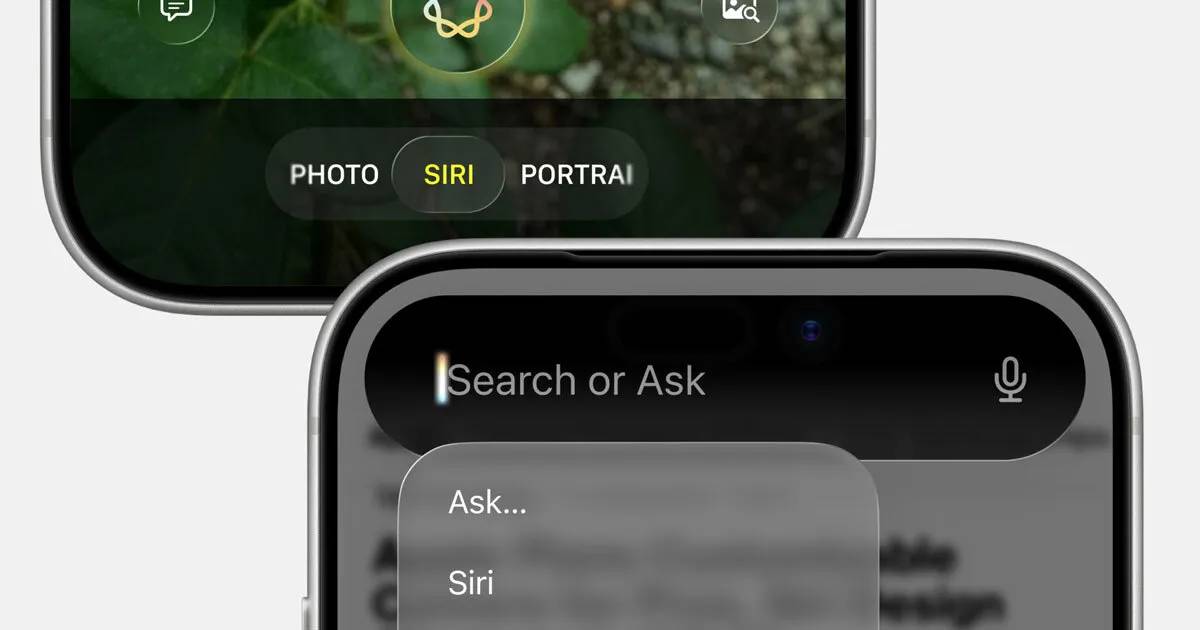
A major strategic shift is emerging in the global smartphone and artificial intelligence markets as Apple reportedly prepares a sweeping overhaul of Siri and AI-powered features in iOS 27. The move signals escalating competition among technology giants seeking dominance in next-generation consumer AI ecosystems and intelligent mobile computing.
Apple is developing significant upgrades to Siri, AI-driven software tools, and photography capabilities expected to arrive with iOS 27. The reported overhaul includes improvements to voice interaction, screenshot management, camera functionality, and broader AI integration across the iPhone ecosystem. Industry observers view the initiative as part of Apple’s effort to strengthen its position in the rapidly evolving generative AI race dominated by increasing competition from major technology firms.
The development comes as smartphone manufacturers globally integrate advanced AI capabilities into operating systems, cloud services, and personal productivity tools. Analysts believe the shift could influence device upgrade cycles, consumer engagement patterns, and the future competitive balance within the premium mobile technology market.
Apple’s reported AI overhaul reflects a broader transformation taking place across the global consumer technology industry. Over the past several years, generative AI systems have reshaped expectations surrounding digital assistants, search functionality, productivity software, and user-device interaction models.
The development aligns with wider market trends where technology companies are racing to integrate AI directly into consumer hardware ecosystems. Competitors including major cloud and mobile platform providers have accelerated deployment of AI assistants capable of generating content, automating tasks, summarizing information, and enabling more natural conversational experiences.
Historically, Apple built its competitive advantage around tightly integrated hardware and software ecosystems emphasizing privacy, design, and user experience. However, the rapid rise of generative AI has intensified pressure on the company to modernize Siri and deliver more advanced AI functionality capable of competing with emerging intelligent assistant platforms.
The shift also carries geopolitical and economic significance as the United States, China, and other major economies compete for leadership in artificial intelligence innovation, semiconductor infrastructure, and next-generation computing ecosystems.
Technology analysts suggest Apple’s planned Siri overhaul may represent one of the company’s most strategically important software transitions in years. Industry experts argue that AI assistants are increasingly becoming central interfaces for digital ecosystems, influencing how consumers interact with devices, applications, and online services.
Market strategists believe Apple’s emphasis on integrated AI features could strengthen customer retention and reinforce the company’s premium ecosystem strategy. Analysts note that tighter integration between AI systems and mobile hardware may create new revenue opportunities tied to services, subscriptions, and device upgrades.
At the same time, policy experts continue to highlight broader concerns surrounding AI deployment in consumer technology. Privacy advocates are closely watching how companies manage personal data, voice interactions, and on-device AI processing capabilities as intelligent systems become more deeply embedded into daily life.
Industry observers also note that Apple’s approach may place greater emphasis on privacy-focused AI processing compared with cloud-dependent competitors, potentially differentiating the company in increasingly competitive global markets.
For businesses, Apple’s AI expansion could accelerate enterprise and consumer adoption of AI-integrated mobile workflows, productivity applications, and digital assistant ecosystems. Companies operating in app development, cloud services, advertising, and digital commerce may need to adapt strategies around AI-driven user interaction models.
Investors are expected to closely monitor Apple’s AI roadmap as competition intensifies across consumer hardware and software markets. Analysts believe advanced AI capabilities may become a major factor influencing future smartphone demand and ecosystem loyalty.
At the policy level, regulators may increase scrutiny over how AI-enabled mobile systems manage user privacy, data governance, algorithmic transparency, and platform competition. Governments worldwide are already examining the role of dominant technology firms in shaping access to AI infrastructure and digital ecosystems.
Businesses dependent on mobile platforms may also face pressure to rapidly integrate AI-compatible experiences to remain competitive. The next phase of competition in consumer technology is likely to center on how effectively companies combine AI functionality, privacy safeguards, and seamless user experience integration. Decision-makers will closely monitor Apple’s execution strategy, consumer adoption trends, and broader competitive responses across the global smartphone market.
As artificial intelligence becomes increasingly central to personal computing, the evolution of Siri and AI-powered mobile ecosystems could redefine the future direction of consumer technology worldwide.
Source: Bloomberg – Apple to Overhaul iOS 27 Siri, AI Features
Date: May 29, 2026


