



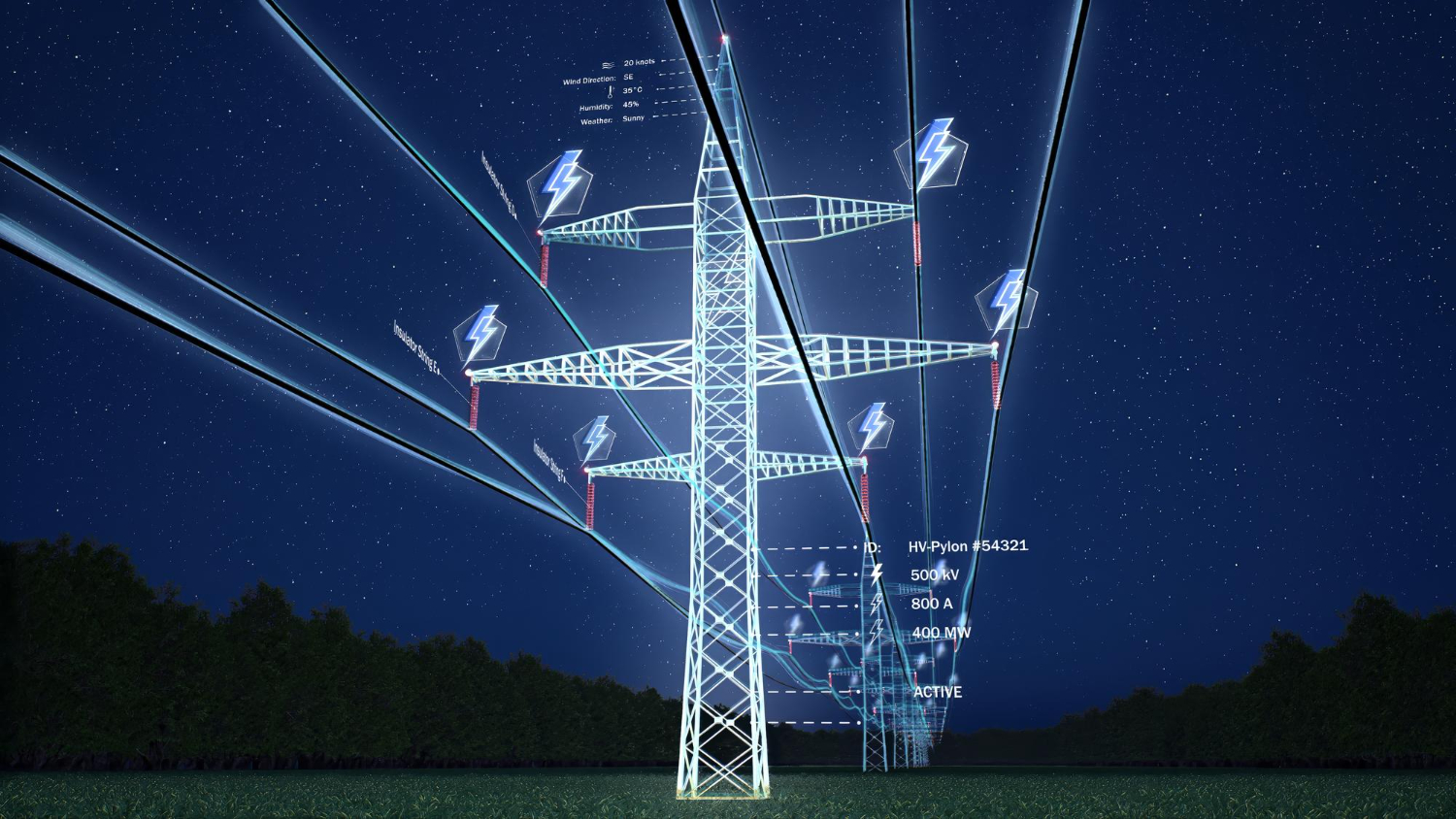
China is rapidly deploying artificial intelligence across its energy infrastructure, marking a strategic shift in how the world’s largest energy consumer manages power generation, distribution, and efficiency. The move carries significant implications for global energy markets, climate policy, and competitive positioning as nations race to modernise critical infrastructure.
Chinese authorities and state-backed energy companies are increasingly applying AI tools across power grids, renewable energy systems, and fossil fuel operations. These technologies are being used to forecast demand, optimise grid stability, reduce waste, and improve safety in high-risk environments such as coal mining and power generation.
The rollout aligns with national priorities to enhance energy security, lower emissions, and reduce operational inefficiencies. AI-driven systems are also being tested to manage renewable intermittency and improve real-time decision-making. While deployment timelines vary by region, the initiative reflects a coordinated national push involving utilities, technology firms, and research institutions.
China’s energy system faces mounting pressure from rising demand, decarbonisation targets, and geopolitical volatility in global energy supply chains. As the world’s largest emitter and energy consumer, Beijing has committed to peak carbon emissions before 2030 and achieve carbon neutrality by 2060 ambitious goals requiring structural transformation.
Globally, AI adoption in energy has gained momentum as grids grow more complex and renewable penetration increases. Countries across Europe, North America, and the Middle East are experimenting with AI-powered forecasting, smart grids, and predictive maintenance. However, China’s scale and state-led execution model set it apart.
The current push builds on earlier investments in smart grids and digital infrastructure, positioning AI not as an experimental tool but as a foundational component of national energy strategy.
Energy analysts describe China’s AI-driven approach as both pragmatic and strategic. Experts note that AI offers immediate gains in efficiency and reliability, particularly in managing fluctuating renewable inputs such as wind and solar power.
Industry observers also highlight China’s advantage in data availability, given its vast energy network and centralised governance model. This enables faster training and deployment of AI systems at scale. However, analysts caution that heavy reliance on automated decision-making raises concerns around transparency, cybersecurity, and system resilience.
While official statements emphasise innovation and sustainability, experts suggest the underlying motivation is also economic competitiveness using AI to lower energy costs, stabilise supply, and strengthen industrial output in an increasingly fragmented global energy landscape.
For global businesses, China’s AI-driven energy transformation signals a shift in cost structures and operational benchmarks. Energy-intensive industries may benefit from greater stability and efficiency, while foreign firms could face pressure to match China’s digital optimisation capabilities.
Policymakers worldwide may view China’s approach as a blueprint or a warning highlighting how AI adoption can rapidly reshape critical infrastructure. The move also raises strategic questions around data governance, cross-border technology competition, and the role of state-led AI deployment in essential services.
Investors are likely to monitor how AI-enhanced energy systems impact productivity, emissions targets, and long-term energy security.
Looking ahead, China is expected to deepen AI integration across its energy ecosystem, expanding from optimisation to autonomous system management. Decision-makers should watch for regulatory frameworks governing AI oversight, cybersecurity safeguards, and export implications. As energy and AI converge, China’s model may increasingly influence global standards for digital infrastructure and energy governance.
Source & Date
Source: Artificial Intelligence News
Date: 2025


