



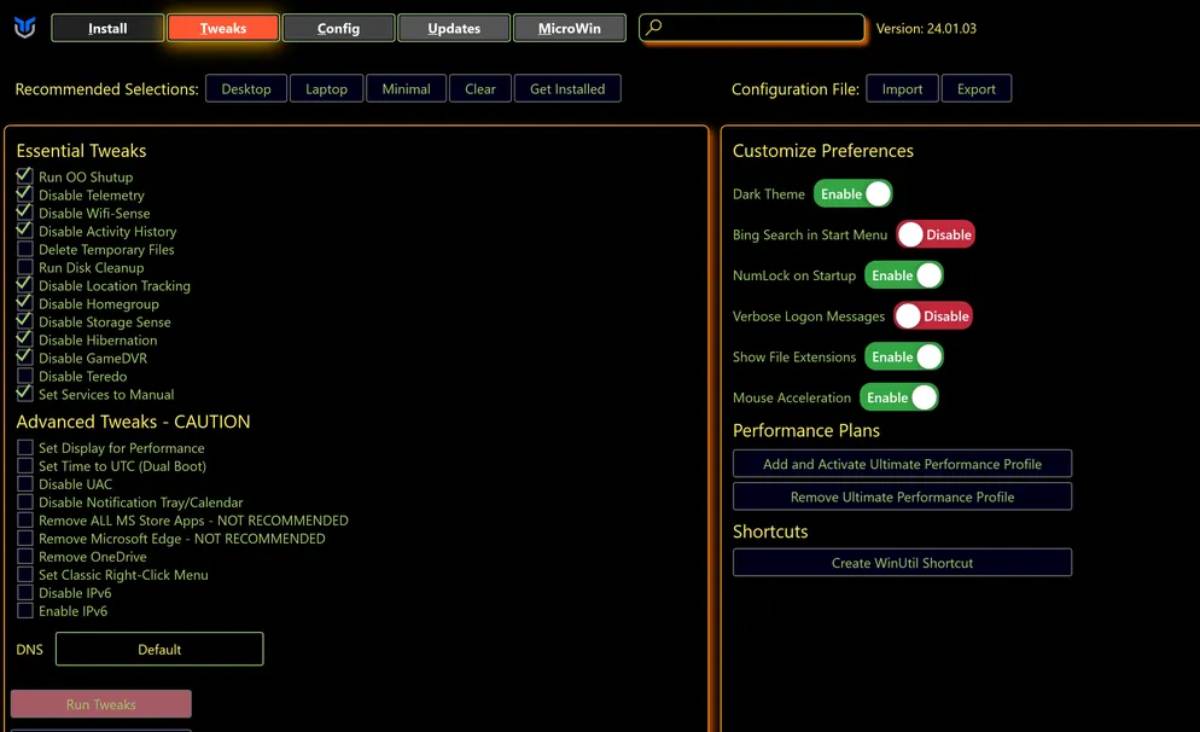
Chris Titus Tech’s Windows Utility reflects the growing demand for streamlined system management tools that help users optimize Windows performance and control unnecessary processes. The platform highlights a broader technology shift toward user-focused customization, efficiency improvements, and privacy management, attracting attention from power users, IT professionals, and productivity focused communities.
Chris Titus Tech’s Windows Utility has gained popularity as a comprehensive tool designed to simplify Windows configuration, optimization, and maintenance tasks. The utility provides users with options to manage system settings, remove unwanted components, improve performance, and customize operating environments.
Key stakeholders include Windows users, system administrators, technology enthusiasts, and organizations seeking greater control over device performance. As operating systems become more complex, tools focused on customization and efficiency are becoming increasingly valuable. The platform represents the growing interest in alternatives that give users more flexibility beyond default operating system settings.
The demand for Windows optimization tools has increased as users and organizations look for greater control over their computing environments. Modern operating systems include numerous built-in features, background services, and data collection settings that some users seek to modify for improved performance and privacy. Chris Titus Tech’s Windows Utility operates within this broader trend of user empowerment, where technical communities develop solutions to simplify system management.
Historically, advanced Windows customization required significant technical knowledge, but modern utilities are making these processes more accessible. This development aligns with a wider technology movement where users expect more transparency, flexibility, and control over the software they rely on for daily operations.
Technology analysts note that system optimization tools continue to attract attention as users become more aware of performance, privacy, and customization options. Experts suggest that utilities offering simplified configuration controls can help both individuals and IT teams manage complex operating environments more efficiently. While specific official statements from Chris Titus Tech may vary, the project reflects a broader community-driven approach to improving user experiences with existing software platforms.
Industry observers emphasize that optimization tools must maintain a balance between enhanced control and system stability. As enterprise and personal computing needs evolve, experts expect continued interest in solutions that provide transparency and flexibility without requiring advanced technical expertise.
For businesses, tools like Chris Titus Tech’s Windows Utility demonstrate the increasing importance of efficient device management and customized computing environments. Organizations may benefit from improved system performance, streamlined configurations, and reduced administrative workloads. IT leaders are closely evaluating solutions that support productivity while maintaining security standards.
From a policy perspective, growing demand for customization reflects wider discussions around software transparency, user control, and digital privacy. Technology providers may need to consider how future operating systems balance convenience, security, and user choice as expectations continue to evolve.
The future of system optimization tools will likely focus on automation, security improvements, and deeper customization capabilities. Decision-makers will monitor how operating systems adapt to user demands for greater control and transparency. As computing environments become more complex, utilities like Chris Titus Tech’s Windows Utility represent the continued push toward flexible, user-centered technology management.
Source: AlternativeTo
Date: July 27, 2026


