
Dallas Fort Worth AI 75 Signals Regional Leadership

The AI 75 list recognizes leaders from startups, academia, and large enterprises contributing to AI platform innovation across sectors. The initiative spans executives, researchers, and entrepreneurs driving advancements in machine learning, automation, and enterprise AI frameworks.

March 31, 2026
|
Image source: AI 75 2026

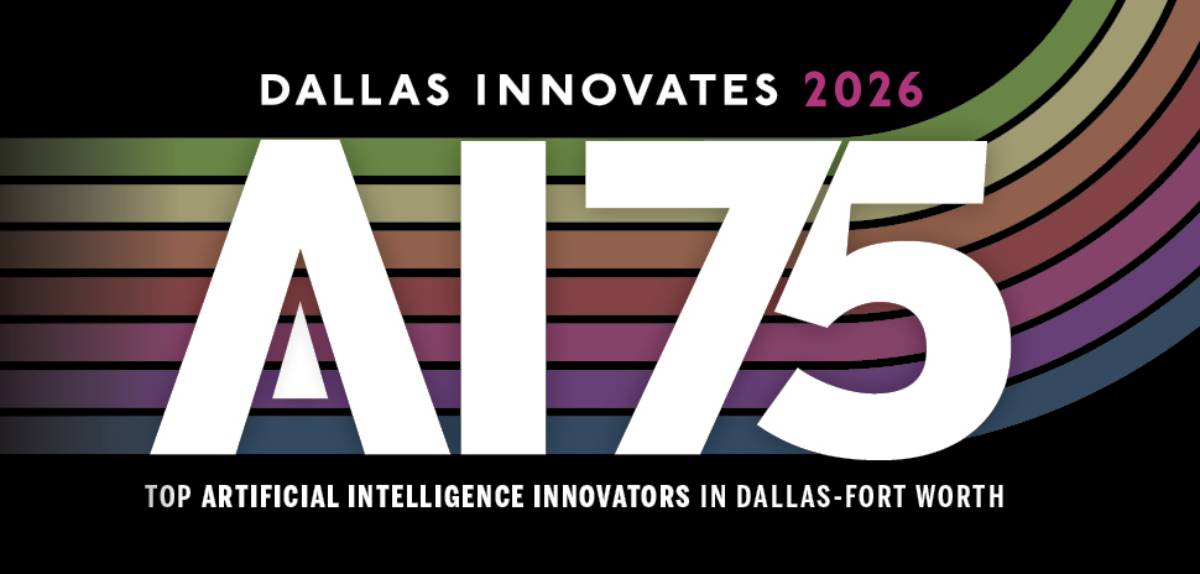
A major development unfolded as Dallas-Fort Worth unveiled its 2026 “AI 75” list, spotlighting top innovators shaping the future of artificial intelligence. The initiative highlights the growing influence of regional ecosystems in advancing AI frameworks and platforms, with implications for global talent competition, enterprise adoption, and innovation leadership.

The AI 75 list recognizes leaders from startups, academia, and large enterprises contributing to AI platform innovation across sectors. The initiative spans executives, researchers, and entrepreneurs driving advancements in machine learning, automation, and enterprise AI frameworks.

Key stakeholders include regional institutions, venture-backed startups, and major corporations operating in North Texas. The recognition reflects a maturing ecosystem where collaboration between industry and academia is accelerating commercialization.

The Dallas-Fort Worth region continues to position itself as a hub for AI-driven growth, leveraging strong infrastructure, access to talent, and increasing investment flows. The initiative also underscores the role of local ecosystems in shaping national AI competitiveness.

The development aligns with a broader trend across global markets where innovation is becoming increasingly decentralized. While traditional tech hubs like Silicon Valley remain influential, emerging regions such as Dallas-Fort Worth are gaining traction as centers for AI platform development and deployment.

This shift is driven by factors including lower operational costs, access to diverse talent pools, and supportive policy environments. Regional ecosystems are playing a critical role in translating AI research into real-world applications, particularly in industries such as healthcare, finance, and manufacturing.

Historically, technological innovation has clustered in a few global hubs, but the rise of distributed AI frameworks is enabling broader participation. The AI 75 initiative reflects this transition, highlighting how regional players are contributing to the global AI landscape and reshaping competitive dynamics.

Industry analysts view the AI 75 recognition as evidence of a shifting innovation paradigm, where regional ecosystems are becoming key drivers of technological advancement. Experts suggest that localized AI platforms tailored to specific industries may offer competitive advantages over generalized global solutions.

Business leaders emphasize the importance of collaboration between academia, startups, and established enterprises in accelerating AI adoption. Observers note that such ecosystems foster experimentation and rapid scaling, particularly in enterprise-focused AI frameworks.

Policy experts also highlight the role of regional initiatives in supporting workforce development and attracting investment. As governments and institutions prioritize AI, the emergence of multiple innovation hubs could enhance resilience and reduce overdependence on a single geographic center.

For global executives, the rise of regional AI hubs like Dallas-Fort Worth signals new opportunities for partnerships, investment, and talent acquisition. Companies may increasingly look beyond traditional tech centers to access innovation and reduce costs.

Investors could benefit from identifying high-growth ecosystems where AI platforms are being developed and deployed at scale. Meanwhile, policymakers may seek to replicate similar initiatives to boost local competitiveness and economic growth.

The trend also suggests a more distributed global AI landscape, where multiple regions contribute to innovation, creating both opportunities and challenges for coordination and standardization.

Looking ahead, regional AI ecosystems are expected to play an increasingly prominent role in shaping the future of AI frameworks and platforms. Stakeholders should monitor investment trends, talent flows, and the scalability of innovations emerging from these hubs.

As competition intensifies, the ability to integrate local strengths into global strategies will be critical. The AI 75 initiative signals that the next wave of AI leadership may be more geographically diverse than ever before.

Source: Dallas Innovates
Date: March 2026

  • Featured tools
Neuron AI
Free

Neuron AI is an AI-driven content optimization platform that helps creators produce SEO-friendly content by combining semantic SEO, competitor analysis, and AI-assisted writing workflows.

#
SEO
Learn more
Symphony Ayasdi AI
Free

SymphonyAI Sensa is an AI-powered surveillance and financial crime detection platform that surfaces hidden risk behavior through explainable, AI-driven analytics.

#
Finance
Learn more

Learn more about future of AI

Join 80,000+ Ai enthusiast getting weekly updates on exciting AI tools.
Thank you! Your submission has been received!
Oops! Something went wrong while submitting the form.

Dallas Fort Worth AI 75 Signals Regional Leadership

March 31, 2026

The AI 75 list recognizes leaders from startups, academia, and large enterprises contributing to AI platform innovation across sectors. The initiative spans executives, researchers, and entrepreneurs driving advancements in machine learning, automation, and enterprise AI frameworks.

Image source: AI 75 2026

A major development unfolded as Dallas-Fort Worth unveiled its 2026 “AI 75” list, spotlighting top innovators shaping the future of artificial intelligence. The initiative highlights the growing influence of regional ecosystems in advancing AI frameworks and platforms, with implications for global talent competition, enterprise adoption, and innovation leadership.

The AI 75 list recognizes leaders from startups, academia, and large enterprises contributing to AI platform innovation across sectors. The initiative spans executives, researchers, and entrepreneurs driving advancements in machine learning, automation, and enterprise AI frameworks.

Key stakeholders include regional institutions, venture-backed startups, and major corporations operating in North Texas. The recognition reflects a maturing ecosystem where collaboration between industry and academia is accelerating commercialization.

The Dallas-Fort Worth region continues to position itself as a hub for AI-driven growth, leveraging strong infrastructure, access to talent, and increasing investment flows. The initiative also underscores the role of local ecosystems in shaping national AI competitiveness.

The development aligns with a broader trend across global markets where innovation is becoming increasingly decentralized. While traditional tech hubs like Silicon Valley remain influential, emerging regions such as Dallas-Fort Worth are gaining traction as centers for AI platform development and deployment.

This shift is driven by factors including lower operational costs, access to diverse talent pools, and supportive policy environments. Regional ecosystems are playing a critical role in translating AI research into real-world applications, particularly in industries such as healthcare, finance, and manufacturing.

Historically, technological innovation has clustered in a few global hubs, but the rise of distributed AI frameworks is enabling broader participation. The AI 75 initiative reflects this transition, highlighting how regional players are contributing to the global AI landscape and reshaping competitive dynamics.

Industry analysts view the AI 75 recognition as evidence of a shifting innovation paradigm, where regional ecosystems are becoming key drivers of technological advancement. Experts suggest that localized AI platforms tailored to specific industries may offer competitive advantages over generalized global solutions.

Business leaders emphasize the importance of collaboration between academia, startups, and established enterprises in accelerating AI adoption. Observers note that such ecosystems foster experimentation and rapid scaling, particularly in enterprise-focused AI frameworks.

Policy experts also highlight the role of regional initiatives in supporting workforce development and attracting investment. As governments and institutions prioritize AI, the emergence of multiple innovation hubs could enhance resilience and reduce overdependence on a single geographic center.

For global executives, the rise of regional AI hubs like Dallas-Fort Worth signals new opportunities for partnerships, investment, and talent acquisition. Companies may increasingly look beyond traditional tech centers to access innovation and reduce costs.

Investors could benefit from identifying high-growth ecosystems where AI platforms are being developed and deployed at scale. Meanwhile, policymakers may seek to replicate similar initiatives to boost local competitiveness and economic growth.

The trend also suggests a more distributed global AI landscape, where multiple regions contribute to innovation, creating both opportunities and challenges for coordination and standardization.

Looking ahead, regional AI ecosystems are expected to play an increasingly prominent role in shaping the future of AI frameworks and platforms. Stakeholders should monitor investment trends, talent flows, and the scalability of innovations emerging from these hubs.

As competition intensifies, the ability to integrate local strengths into global strategies will be critical. The AI 75 initiative signals that the next wave of AI leadership may be more geographically diverse than ever before.

Source: Dallas Innovates
Date: March 2026

Promote Your Tool

Copy Embed Code

Similar Blogs

March 31, 2026
|

Nscale Joins CCIA Europe to Boost AI Infrastructure

Nscale’s inclusion in CCIA Europe brings its deep expertise in high-performance AI infrastructure, cloud optimization, and enterprise-scale compute to the association’s initiatives.
Read more
March 31, 2026
|

Microsoft Copilot Studio Tackles AI Security Risks

Microsoft Copilot Studio now integrates features specifically designed to mitigate the most critical vulnerabilities identified by the OWASP Top 10 for agentic AI systems, including prompt injection, data leakage, and unauthorized agent actions.
Read more
March 31, 2026
|

Microsoft Expands Texas AI Data Center

Microsoft assumed control of the Texas AI data center expansion, originally slated for joint development with OpenAI. The facility, positioned to support large-scale generative AI workloads, represents a multi-billion-dollar investment in cloud infrastructure.
Read more
March 31, 2026
|

AI Platforms Pivot From Adult Content Strategy

Leading AI developers, including OpenAI, are increasingly restricting or avoiding adult-content-related applications within their platforms. This marks a departure from earlier phases of the tech industry, where adult entertainment often accelerated adoption of new technologies.
Read more
March 31, 2026
|

Investor Rotation Masks AI Platform Growth Potential

Recent market activity shows investors moving capital away from high-flying AI stocks, particularly in semiconductor and large-cap tech segments that led the 2024–2025 rally. Profit-taking, valuation concerns, and broader macroeconomic uncertainty are driving this rotation.
Read more
March 31, 2026
|

AI Adoption Surges as Trust Erodes

A major shift is emerging in the global AI landscape as adoption of artificial intelligence tools accelerates, even as user trust declines. The trend signals growing dependence on AI platforms and AI frameworks across industries.
Read more