



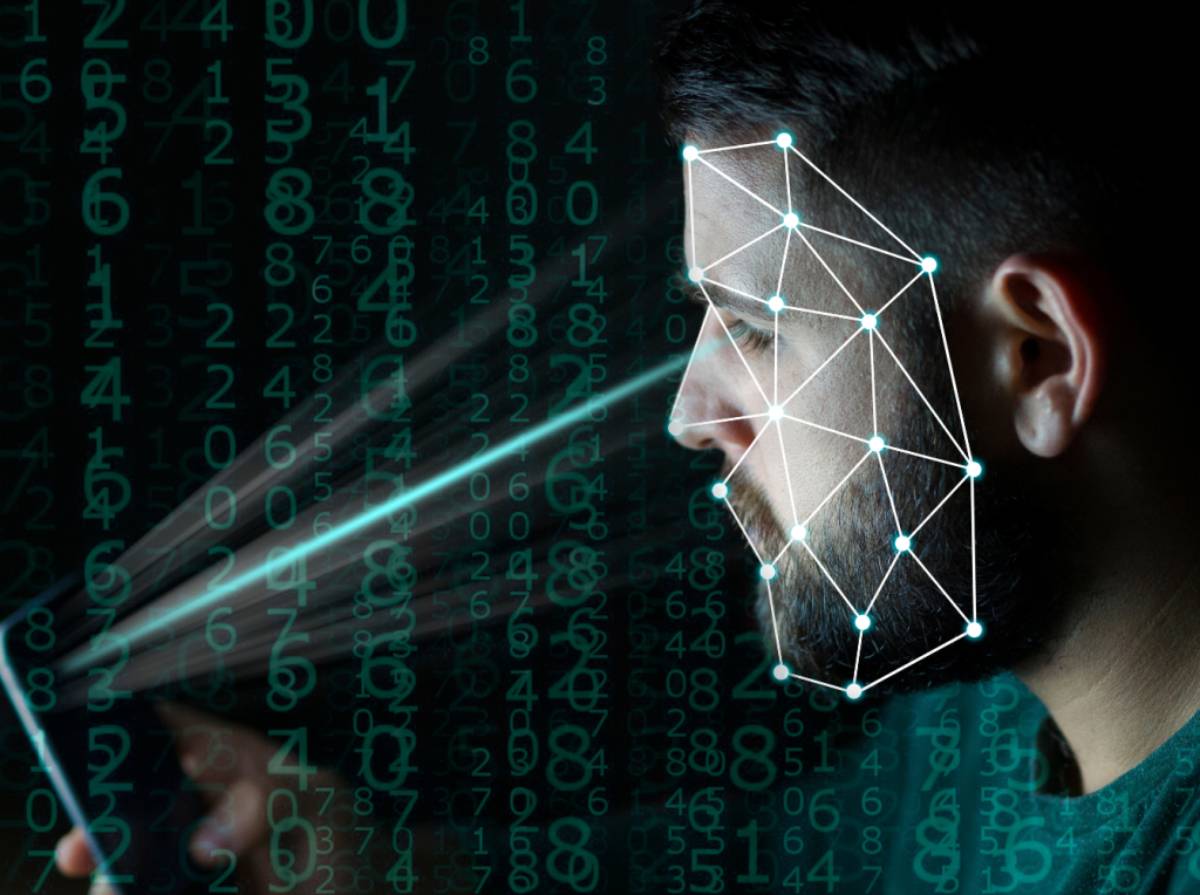
As facial recognition technology becomes increasingly embedded in public infrastructure and digital systems, concerns are mounting over privacy, surveillance, and data misuse. The debate reflects a broader global tension between security innovation and individual rights, with implications for governments, businesses, and citizens navigating the expanding reach of biometric surveillance tools.
Facial recognition systems are now widely deployed across airports, border controls, financial services, retail environments, and law enforcement operations. While the technology is promoted as a tool for improving security, efficiency, and fraud prevention, critics highlight growing risks related to data breaches, algorithmic bias, and mass surveillance.
Regulators in multiple regions are assessing frameworks to govern biometric data usage, while some jurisdictions have introduced partial restrictions or heightened compliance requirements. Technology providers continue to enhance accuracy and speed, but concerns persist regarding consent, transparency, and accountability. The expansion of facial recognition is increasingly shaping debates on digital rights and public safety.
Facial recognition technology has evolved rapidly over the past decade, driven by advances in artificial intelligence, machine learning, and large-scale data processing. Initially adopted for niche security applications, it has now expanded into mainstream commercial and government use cases.
However, its widespread deployment has triggered significant regulatory and ethical debates. Issues such as unauthorized surveillance, racial and demographic bias in algorithmic systems, and the storage of sensitive biometric data have prompted calls for stricter oversight. Some cities and countries have imposed limits on its use, particularly in public surveillance contexts.
At the same time, industry proponents argue that facial recognition enhances security, reduces fraud, and improves user convenience in sectors such as banking and travel. This dual-use nature places the technology at the center of a global policy debate balancing innovation with civil liberties and human rights protections.
Security analysts argue that facial recognition offers significant operational advantages, particularly in high-security environments where rapid identity verification is essential. However, they also caution that no biometric system is entirely error-free, and even small inaccuracies can have serious consequences in policing or border control contexts.
Privacy experts emphasize that biometric data, unlike passwords, cannot be changed if compromised, making its protection critical. They also highlight the risks of mass surveillance systems operating without clear consent frameworks or robust oversight mechanisms.
Technology governance specialists advocate for transparent algorithm auditing, clear data retention policies, and strict limitations on real-time surveillance applications. Meanwhile, industry stakeholders stress the importance of balancing innovation with responsible deployment to maintain public trust and regulatory compliance in an increasingly data-driven security ecosystem.
For businesses, facial recognition presents both opportunities and risks, particularly in sectors such as fintech, retail security, travel, and digital identity verification. Companies adopting biometric systems must invest in compliance, cybersecurity, and ethical data governance to avoid reputational and legal exposure.
For policymakers, the challenge lies in creating regulatory frameworks that enable innovation while safeguarding civil liberties. This includes defining acceptable use cases, establishing consent standards, and enforcing accountability for misuse.
For consumers, increasing adoption of facial recognition raises concerns about privacy loss and data control. Investors are also expected to scrutinize companies based on their biometric data practices, making governance a key factor in long-term valuation and risk assessment.
Facial recognition technology is expected to expand further across both public and private sectors, but regulatory scrutiny will intensify in parallel. The future of the technology will likely depend on how effectively governments and industry players balance innovation with ethical safeguards. Decision-makers will need to closely monitor evolving legal frameworks, public sentiment, and advancements in privacy-preserving AI systems shaping the next phase of biometric adoption.
Source: Silicon Luxembourg
Date: July 2026


