



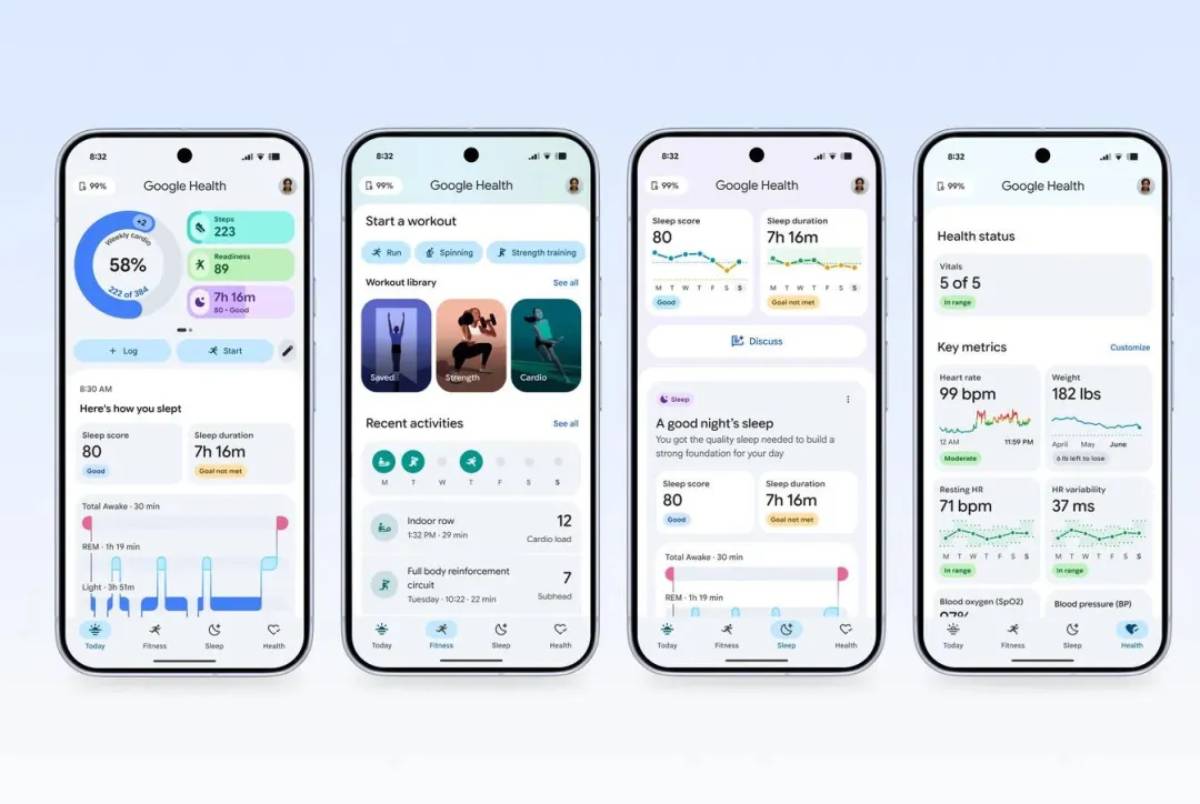
Google is facing growing consumer resistance following the rollout of its unified health platform, as many users express dissatisfaction over the transition away from the standalone Fitbit app experience. The backlash highlights broader tensions surrounding AI integration, ecosystem consolidation, and user trust in digital health technologies.
The launch of Google’s broader health-focused ecosystem has triggered criticism from longtime users of Fitbit, many of whom argue that the newer AI-driven interface sacrifices usability and familiarity for platform consolidation.
Users have raised concerns about feature changes, interface redesigns, and the increasing emphasis on AI-generated health summaries and integrated wellness tracking. Critics say the transition weakens the simplicity and personalization that originally differentiated Fitbit in the wearable market.
The reaction underscores the challenges large technology companies face when merging acquired platforms into broader AI-enabled ecosystems while attempting to preserve brand loyalty and user trust.
The evolving strategy at Google reflects a broader global push toward integrated digital health ecosystems powered by artificial intelligence, wearable technology, and predictive analytics. Since acquiring Fitbit in 2021, Google has steadily expanded its ambitions in consumer health and wellness technology.
Across the technology sector, companies are increasingly positioning health data as a strategic pillar within broader AI ecosystems. Wearable devices now serve not only as fitness tools but also as gateways for personalized health recommendations, behavioral insights, and preventative monitoring.
However, the transition from standalone health products to integrated AI ecosystems has often generated consumer resistance. Users frequently express concerns about privacy, feature degradation, ecosystem lock-in, and reduced transparency in how health data is analyzed and monetized.
The situation also reflects intensifying competition between major technology firms seeking dominance in digital health infrastructure. Industry analysts suggest the response to Google’s health platform transition highlights a growing disconnect between corporate AI ambitions and user expectations for simplicity and reliability.
Experts note that while AI-powered health insights can improve personalization and predictive analytics, consumers often prioritize usability, trust, and continuity over advanced automation features. Analysts argue that abrupt platform redesigns risk alienating highly engaged user communities that helped establish brand value in the first place.
Digital health specialists also point out that consumer trust remains a critical issue in wearable technology markets. Users are increasingly aware of how sensitive health information is stored, processed, and potentially monetized.
Some observers believe the backlash could push technology firms to adopt more flexible hybrid models that preserve legacy user experiences while gradually integrating AI-driven functionality.
For businesses operating in digital health and wearable technology, the situation offers a cautionary lesson about balancing AI innovation with customer retention. Companies may need to prioritize gradual migration strategies and maintain legacy features to avoid user dissatisfaction.
For investors, the controversy demonstrates that AI integration alone does not guarantee consumer adoption, particularly in health-related products where trust and familiarity carry significant value.
From a regulatory perspective, the expansion of AI-driven health ecosystems may attract greater scrutiny regarding data privacy, consent frameworks, and algorithmic transparency. Policymakers are likely to increase oversight of how consumer health information is collected, analyzed, and integrated across interconnected technology platforms.
Looking ahead, Google will likely face pressure to refine its health platform strategy while addressing user concerns surrounding functionality and privacy. Decision-makers across the technology and healthcare sectors should closely monitor consumer sentiment, retention trends, and regulatory developments. The broader digital health market will increasingly depend on whether companies can successfully combine AI innovation with transparent, user-centric design and long-term trust building.
Source: The Verge
Date: May 27, 2026


