



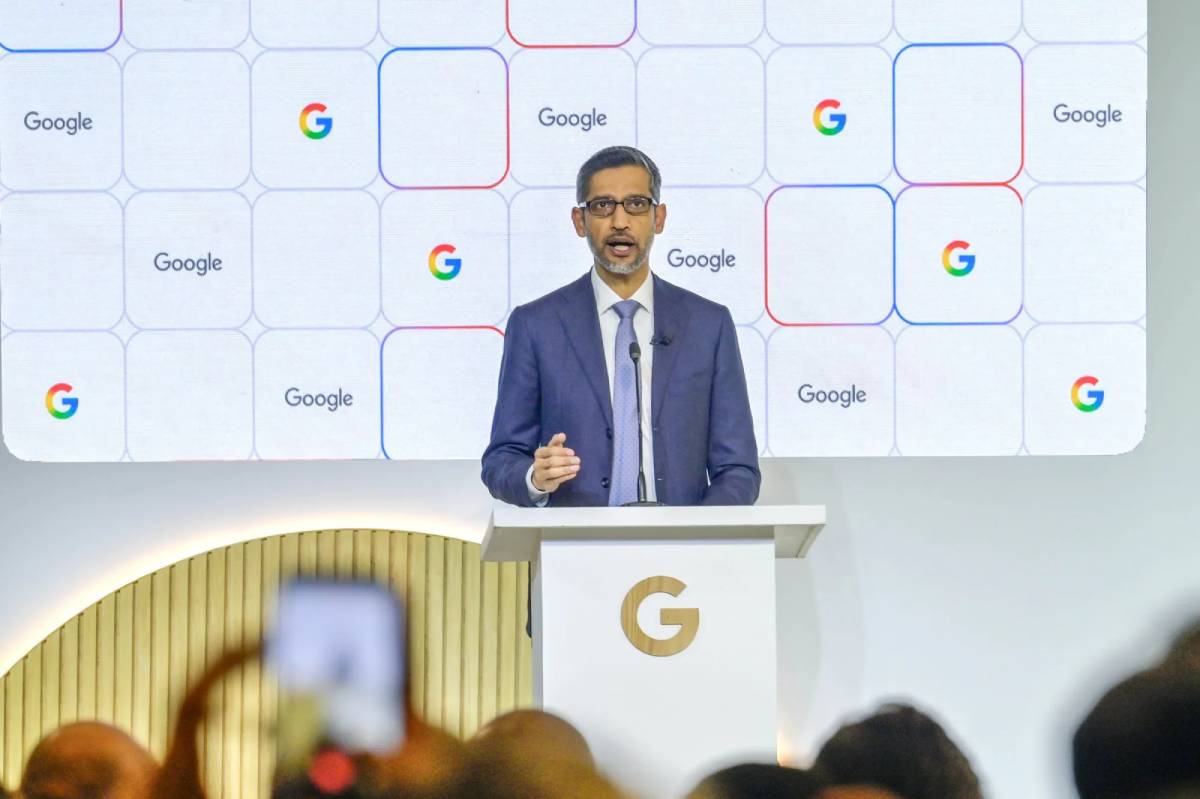
A major development unfolded as Google faces mounting internal challenges that are slowing its progress in AI-powered coding tools, signalling a strategic vulnerability in a rapidly advancing market. The situation highlights intensifying competition among tech giants, with implications for developer ecosystems, enterprise software, and global innovation leadership.
Reports indicate that internal politics and organizational fragmentation within Google have hindered its ability to compete effectively in AI coding tools. Despite early leadership in AI research, the company has struggled to unify product teams and accelerate deployment, allowing rivals such as Microsoft and OpenAI to gain traction with developer-focused AI assistants.
The timeline reflects a broader lag over the past year, as competing platforms rapidly commercialized AI coding solutions. Key stakeholders include enterprise developers, startups, and cloud customers. The competitive gap has implications for market share in developer tools, a critical segment influencing long-term cloud and AI revenues.
The development aligns with a broader trend across global markets where AI-assisted coding has become a central battleground in the technology sector. Tools that automate software development are reshaping productivity, reducing costs, and redefining how applications are built.
Google’s challenges come despite its foundational contributions to AI, including breakthroughs in transformer models. However, competitors have moved faster in productizing these innovations. For instance, integrations between Microsoft and OpenAI have enabled rapid deployment of AI coding assistants across widely used platforms.
Historically, Google has excelled in research but faced criticism for slower execution in commercializing products. The current situation underscores a recurring pattern, now amplified by the speed and scale of the generative AI race, where execution agility is becoming as critical as innovation itself.
Industry analysts suggest that internal alignment is emerging as a decisive factor in AI competitiveness. Experts argue that while Google retains significant technical capabilities, fragmented decision-making structures may be limiting its ability to capitalize on market opportunities.
Analysts note that AI coding tools represent a gateway to broader developer ecosystems, influencing cloud adoption and enterprise software strategies. As such, delays in this segment could have cascading effects across Google’s business lines.
Corporate insiders and observers are likely to frame the issue as a need for organizational restructuring and clearer strategic focus. Meanwhile, industry leaders emphasize that speed-to-market and seamless integration are now critical success factors. The ability to translate research into user-facing products efficiently will determine competitive positioning in the AI era.
For global executives, Google’s challenges highlight the importance of organizational agility in technology-driven markets. Companies may need to reassess internal structures to ensure faster decision-making and product deployment.
Investors are likely to monitor competitive dynamics in AI coding tools as a proxy for broader AI leadership. A sustained lag could impact Google’s position in cloud computing and developer ecosystems.
From a policy perspective, the intensifying competition among major tech firms may attract regulatory scrutiny, particularly around market dominance and innovation barriers. Governments could also view AI coding capabilities as strategic assets, influencing national competitiveness in digital economies.
Looking ahead, Google’s ability to streamline internal operations and accelerate product development will be critical in closing the competitive gap. Decision-makers should watch for strategic realignments, partnerships, or acquisitions aimed at strengthening its AI coding portfolio.
As the AI race intensifies, execution speed not just innovation will define market leaders in the next phase of the global technology landscape.
Source: Bloomberg
Date: April 21, 2026


