



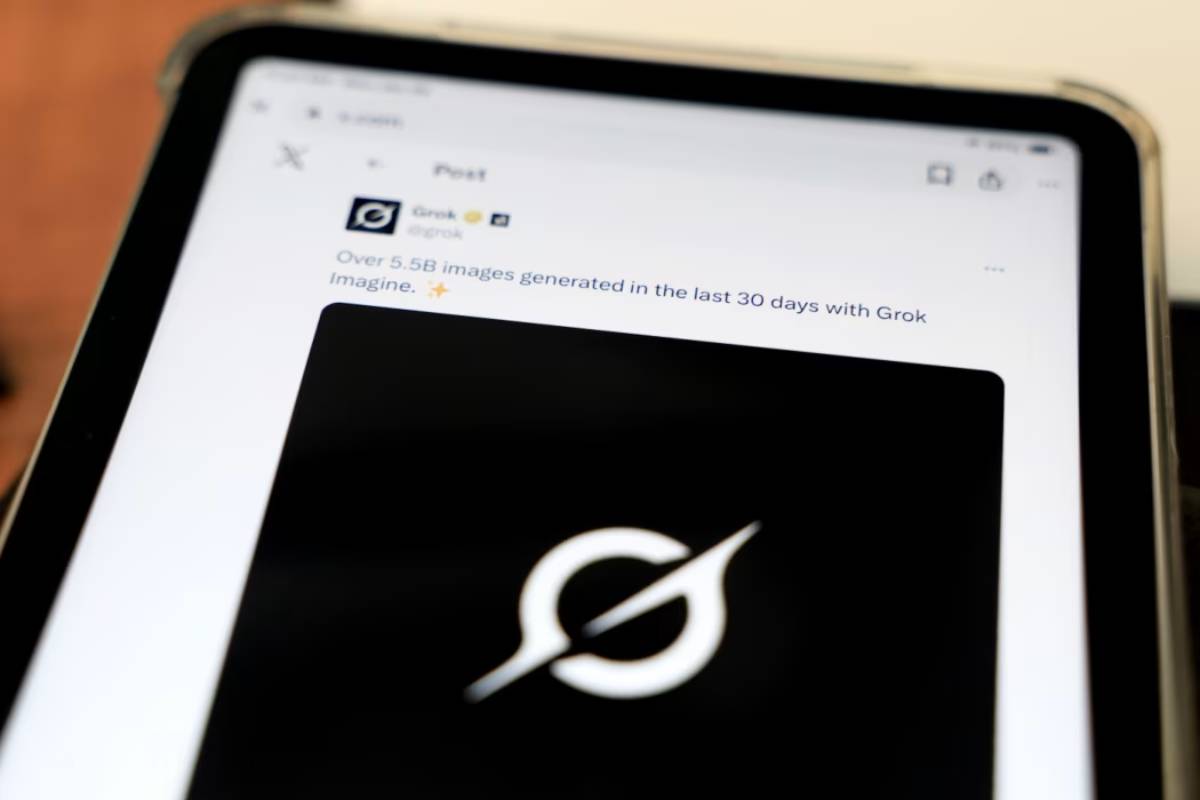
A major regulatory escalation unfolded as Ireland’s Data Protection Commission opened a formal inquiry into X Corp over its Grok AI image-generation capabilities. The move signals intensifying European scrutiny of generative AI platforms, with potential legal, financial, and reputational consequences for global technology firms operating in the EU.
Ireland’s data watchdog confirmed it has launched an investigation into X regarding how Grok AI generates and processes images, particularly those involving identifiable individuals.
The inquiry will examine whether the platform complies with the EU’s General Data Protection Regulation (GDPR), including lawful data processing, consent, and safeguards against misuse. As X’s main EU regulator, Ireland plays a pivotal role in overseeing its operations across the bloc.
The probe follows concerns that Grok AI may have produced controversial or inappropriate images, raising questions about privacy protections and content controls. The investigation could result in enforcement actions, fines, or mandated operational changes depending on findings.
The development aligns with a broader tightening of AI governance across Europe. Under GDPR and the Digital Services Act, regulators have expanded oversight of platforms deploying generative AI tools capable of producing text, images, and synthetic media.
Ireland has become the de facto EU regulator for many U.S. tech giants due to their European headquarters being located there. Previous investigations into firms such as Meta Platforms and Google have led to significant fines and compliance mandates, underscoring the regulator’s influence.
Generative AI’s ability to create realistic images of public and private individuals has heightened privacy concerns globally. Policymakers fear misuse ranging from misinformation to reputational harm. For executives, this case highlights how AI innovation is increasingly intersecting with stringent data protection frameworks and cross-border compliance risks.
Regulatory analysts describe the inquiry as a potential test case for how GDPR applies to generative AI image models. Legal experts note that if Grok AI processes personal data without clear consent or legitimate interest, X could face substantial penalties under EU law.
Elon Musk has previously defended rapid AI deployment as essential to innovation, though the company has indicated it will cooperate with authorities. Industry observers argue that balancing open AI experimentation with strict European compliance requirements presents operational complexity for multinational platforms.
AI governance specialists suggest that regulators may demand clearer transparency on training data sources, content filters, and user safeguards. The case could also influence how other jurisdictions interpret data protection obligations for AI-generated synthetic media.
For global enterprises deploying generative AI, the inquiry underscores the need for rigorous compliance frameworks, particularly when operating within the EU. Legal exposure tied to AI-generated content could increase operational costs and delay product rollouts.
Investors may reassess regulatory risk premiums attached to AI-focused firms, especially those with significant European user bases. Markets will monitor whether enforcement actions materially affect X’s financial performance or broader AI ambitions.
From a policy standpoint, the case may accelerate harmonized AI enforcement standards across Europe, influencing the implementation of the EU AI Act. Businesses may need to invest more heavily in auditability, documentation, and consent management systems.
The trajectory of the investigation will be closely watched by regulators, investors, and AI developers worldwide. Key questions include potential fines, mandated safeguards, and precedent-setting interpretations of GDPR in the AI era.
As Europe sharpens its regulatory posture, the Grok inquiry may mark another turning point in defining how generative AI platforms operate within strict data protection regimes.
Source: The Wall Street Journal
Date: February 17, 2026


