



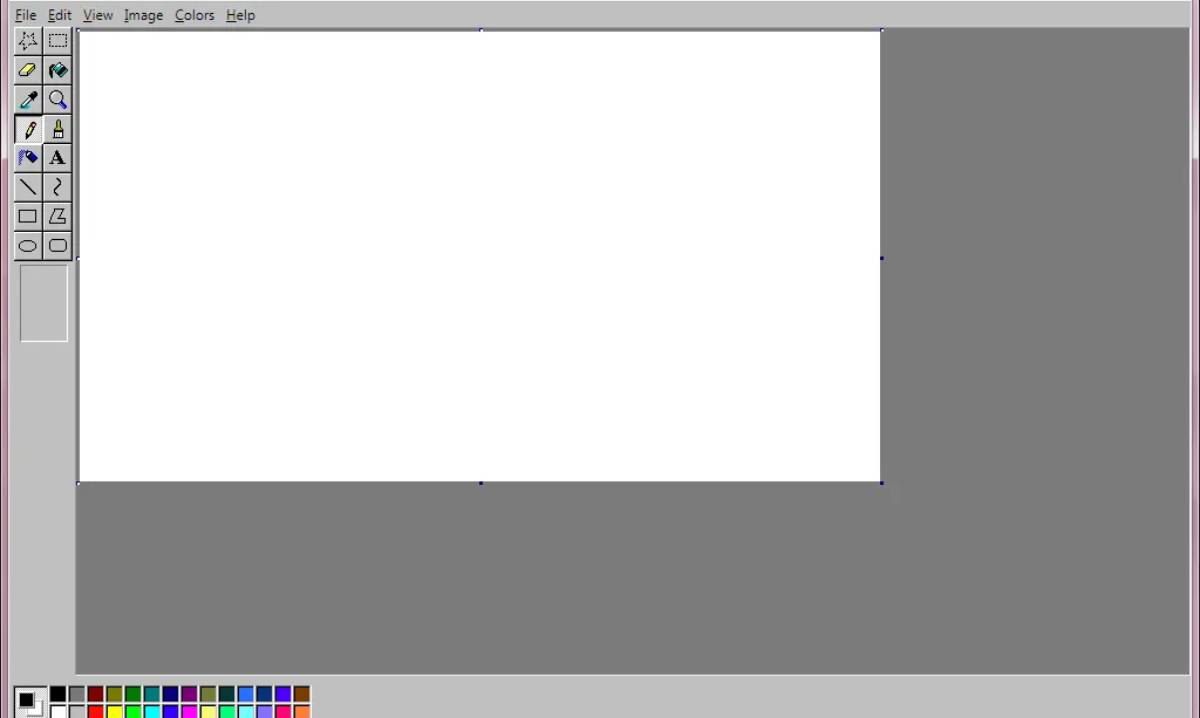
JS Paint highlights the continued relevance of lightweight, browser-based creative tools in an era dominated by advanced design software. The platform reflects broader trends toward accessible digital creativity, web-based applications, and preservation of familiar user experiences, offering individuals, educators, and organizations a simple approach to image editing and visual content creation.
JS Paint is a web-based recreation and enhancement of the classic Microsoft Paint experience, bringing familiar drawing and image-editing capabilities to modern browsers. The platform demonstrates how simple creative tools remain valuable despite the rise of complex professional design applications.
Its development reflects growing interest in lightweight, accessible software that works across devices without requiring extensive installation or technical expertise. Browser-based creative applications continue gaining attention among students, casual users, educators, and organizations seeking efficient visual editing solutions. The platform also represents broader efforts to preserve digital experiences while adapting them for modern web technologies.
The evolution of digital creativity tools has moved from basic desktop applications toward sophisticated cloud-based platforms powered by artificial intelligence and advanced collaboration features. However, demand for simple, intuitive software remains strong, particularly among users who need quick editing capabilities without complex workflows.
Browser-based applications have expanded significantly due to improvements in web technologies, faster internet connectivity, and cross-platform compatibility. These tools provide accessible alternatives for education, personal projects, remote work, and lightweight business tasks.
At the same time, preserving familiar digital experiences has become increasingly important as older software platforms disappear or become incompatible with modern systems. Projects like JS Paint demonstrate how open web technologies can help maintain accessibility, usability, and digital history while introducing improvements for contemporary users.
Technology analysts view browser-based creative tools as an important part of the broader movement toward accessible digital software. Experts note that not every user requires advanced professional design platforms, creating continued demand for simple, efficient applications.
Digital education specialists highlight the value of intuitive tools that allow students and beginners to develop creativity and digital skills without steep learning curves. Web-based applications also provide advantages through easy accessibility, reduced installation requirements, and compatibility across different devices.
Although no official corporate statements accompany the platform's listing, industry observers recognize that projects like JS Paint demonstrate the importance of open-source innovation, software preservation, and user-focused design approaches within the evolving digital technology landscape.
For businesses, JS Paint illustrates opportunities in lightweight productivity software, browser-based applications, and accessible digital tools that support diverse user needs. Organizations may continue adopting simple creative platforms for training, communication, and everyday content creation.
Investors tracking software trends may view browser applications and open-source projects as examples of sustainable innovation focused on usability and accessibility. For policymakers, accessible digital tools reinforce the importance of digital inclusion, technology education, open standards, and initiatives that ensure users across different skill levels can participate effectively in the digital economy.
Browser-based creative platforms are expected to continue evolving through artificial intelligence integration, improved web technologies, and enhanced accessibility features. Decision-makers should monitor trends in open-source development, digital education tools, and lightweight software solutions. As technology becomes more advanced, demand will remain strong for simple, reliable applications that enable creativity while maintaining ease of use for a broad global audience.
Source: AlternativeTo
Date: July 23, 2026


