



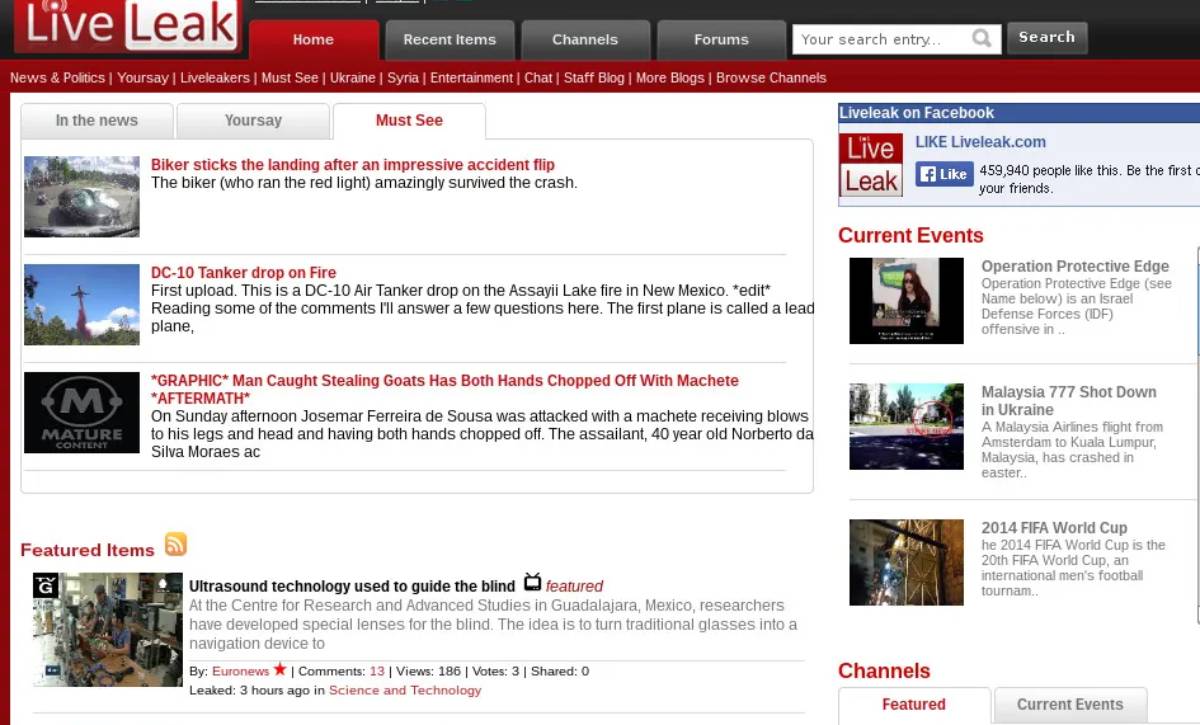
The legacy of LiveLeak continues to illustrate the transformation of online video platforms, highlighting how evolving content moderation standards, regulatory expectations, and user safety concerns have reshaped the digital media industry. Its influence remains relevant for technology companies, policymakers, and executives navigating today's increasingly regulated online content ecosystem.
LiveLeak became widely recognized for hosting user-generated videos focused on real-world events, conflict reporting, and citizen journalism before ceasing operations in 2021. The platform's history reflects the broader evolution of digital media, where growing regulatory scrutiny, advertiser expectations, and platform accountability have significantly influenced content policies.
Since its closure, the online video industry has increasingly prioritized stronger moderation practices, transparency measures, and safer user experiences. These developments continue shaping investment decisions, platform governance strategies, and operational frameworks across the global digital content sector.
The digital media landscape has undergone substantial transformation as governments, advertisers, and technology companies respond to rising concerns surrounding harmful content, misinformation, and user safety. Earlier generations of user-generated content platforms often emphasized open publishing models with relatively limited moderation.
Over time, stricter regulatory frameworks, enhanced artificial intelligence moderation systems, and evolving community standards have become central to platform operations. Major technology companies now invest heavily in trust and safety teams, automated detection systems, and transparency reporting to balance freedom of expression with responsible content governance. LiveLeak's historical role reflects this broader transition, demonstrating how shifting public expectations and regulatory pressures have reshaped the business strategies of online media platforms worldwide.
Industry analysts view the evolution of content moderation as one of the defining challenges facing digital platforms. Experts suggest that maintaining user trust increasingly depends on transparent governance, effective moderation technologies, and compliance with expanding regulatory requirements. Digital policy specialists also note that advances in artificial intelligence are improving the ability to identify harmful content while reducing manual review workloads.
Although no recent official corporate statement accompanies LiveLeak's historical platform profile, market observers frequently reference its legacy when discussing the balance between open information sharing, platform responsibility, and public safety. Analysts expect governance frameworks to remain a key competitive factor across digital media businesses.
For businesses, the evolution of online video platforms reinforces the importance of investing in content moderation technologies, cybersecurity, and regulatory compliance. Investors continue evaluating companies based on their ability to manage platform risk while sustaining user engagement and advertiser confidence. Policymakers worldwide are expected to strengthen oversight regarding online safety, transparency, privacy, and digital platform accountability. Technology firms must therefore continuously adapt governance strategies to meet changing legal requirements and public expectations across international markets.
The online media industry is expected to continue evolving as artificial intelligence, regulatory reforms, and changing consumer expectations reshape platform governance. Executives should monitor developments in digital policy, content moderation technology, and global compliance standards while balancing innovation with responsible platform management. Long-term competitiveness will increasingly depend on trust, transparency, and effective risk management.
Source: AlternativeTo
Date: July 28, 2026


