



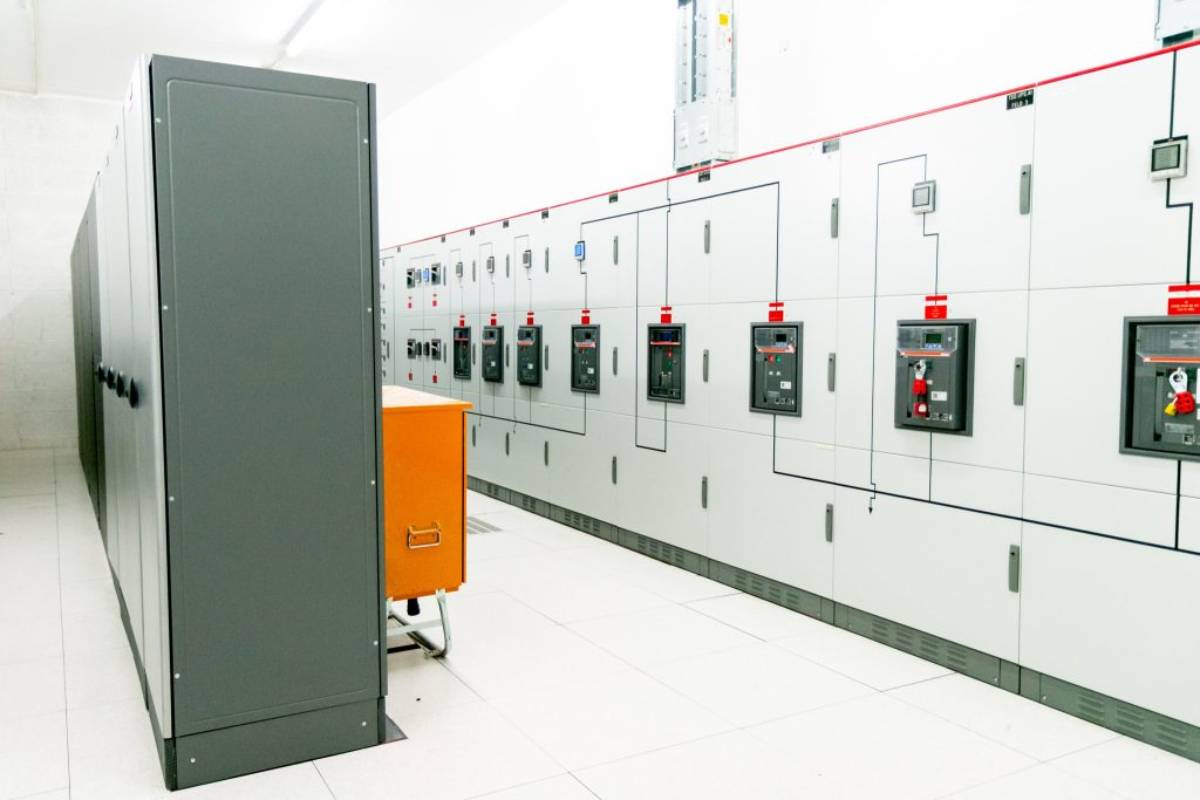
As artificial intelligence accelerates global demand for computing power, Luxembourg is strengthening its position as a strategic data centre hub. The country's expanding digital infrastructure is becoming increasingly vital for AI workloads, cloud services, and enterprise operations, highlighting the growing importance of secure, resilient, and sustainable computing facilities in Europe's digital economy.
Luxembourg's data centre ecosystem is evolving beyond traditional cloud hosting to support increasingly complex AI applications requiring high-performance computing and large-scale data processing. Modern facilities are investing in advanced cooling technologies, energy efficiency, cybersecurity, and scalable infrastructure to accommodate rising computational demands.
The country's strategic location, reliable connectivity, robust regulatory framework, and strong digital infrastructure continue attracting international technology companies and enterprise customers. As AI adoption expands across industries, data centres are emerging as critical assets that enable businesses to deploy machine learning models, manage sensitive information, and deliver digital services while meeting growing sustainability expectations.
The rapid expansion of artificial intelligence has fundamentally changed the role of data centres within the global technology ecosystem. Unlike traditional cloud computing, AI applications require enormous processing capacity, specialized graphics processing units (GPUs), high-speed networking, and sophisticated cooling systems capable of supporting intensive computational workloads.
Worldwide, governments and technology companies are investing billions of dollars to expand AI infrastructure while addressing challenges related to electricity consumption, water usage, land availability, and carbon emissions. Europe has simultaneously prioritized digital sovereignty, encouraging greater investment in domestic cloud infrastructure and secure data processing capabilities.
Luxembourg has positioned itself as a trusted digital hub through long-standing investments in connectivity, cybersecurity, financial technology, satellite communications, and cloud services. Its modern data centre infrastructure supports not only domestic organizations but also multinational enterprises seeking reliable European hosting environments that comply with stringent regulatory and data protection standards.
Technology analysts increasingly describe data centres as strategic national infrastructure rather than simply physical facilities for storing digital information. As AI becomes integrated into virtually every industry, computing capacity is emerging as a competitive advantage comparable to transportation networks or energy infrastructure.
Industry experts emphasize that future AI growth will depend not only on algorithmic innovation but also on reliable access to scalable computing resources. Modern facilities must therefore balance performance, cybersecurity, operational resilience, and environmental sustainability simultaneously.
Infrastructure specialists also note that cooling efficiency and renewable energy integration have become central investment priorities as AI workloads dramatically increase power consumption. Luxembourg's continued investment in secure, interconnected digital infrastructure positions it well to benefit from Europe's growing demand for trusted AI computing environments while supporting innovation across finance, healthcare, manufacturing, logistics, and public services.
For businesses, expanding AI-ready data centre capacity improves access to high-performance computing, cloud services, and secure digital infrastructure needed for next-generation innovation. Enterprises deploying artificial intelligence will increasingly evaluate infrastructure availability alongside cybersecurity, regulatory compliance, and sustainability commitments.
Investors may view data centre expansion as a long-term growth opportunity driven by accelerating AI adoption across global markets. Policymakers, meanwhile, face the challenge of balancing digital infrastructure growth with environmental objectives, energy security, and land-use planning. Strategic investments in renewable energy, grid modernization, and digital connectivity will become essential to maintaining Luxembourg's competitiveness within Europe's rapidly evolving AI ecosystem.
Demand for AI infrastructure is expected to continue accelerating as enterprises expand machine learning, automation, and data-intensive applications. Luxembourg's ability to attract future investment will depend on continued improvements in energy efficiency, sustainable power generation, digital connectivity, and regulatory stability. For executives and policymakers alike, the country's evolving data centre ecosystem represents a critical foundation supporting Europe's next phase of AI-driven economic growth.
Source: Silicon Luxembourg
Date: July 9, 2026


