



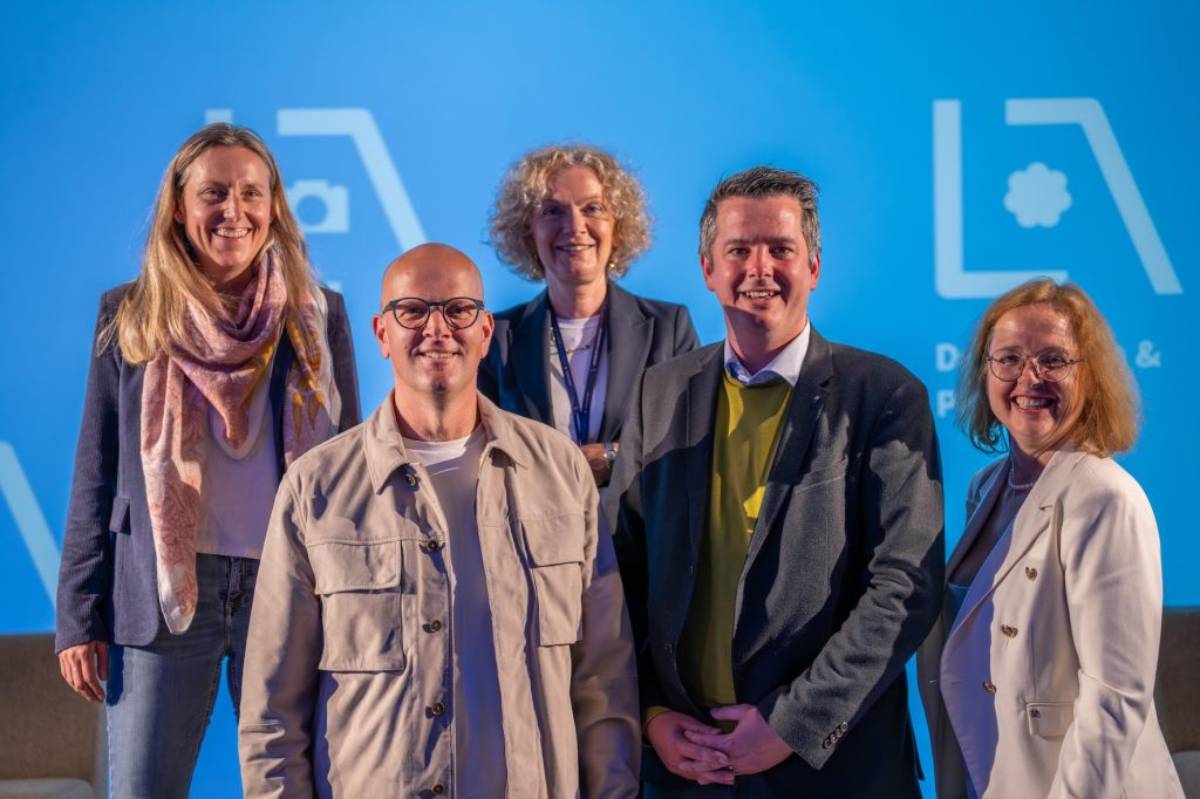
Luxembourg is strengthening its position as a premier destination for international business events, leveraging conferences, industry forums, and innovation gatherings to attract investment, foster collaboration, and enhance economic competitiveness. The strategy reflects a broader effort to use business tourism as a catalyst for innovation, trade, and long-term economic growth.
Luxembourg is expanding its focus on hosting high-value business events that bring together entrepreneurs, investors, policymakers, researchers, and multinational corporations. Rather than serving solely as networking opportunities, these events are increasingly viewed as platforms for investment attraction, knowledge exchange, and international partnership building.
The country's innovation ecosystem including technology clusters, financial services, logistics, and digital industries benefits from regular conferences that connect local businesses with global stakeholders. Government agencies, business organizations, and innovation hubs continue collaborating to position Luxembourg as a central meeting point for European business.
This strategy supports economic diversification while reinforcing Luxembourg's international visibility within competitive global markets. Across the world, governments are recognizing that business events generate value well beyond tourism revenues. International conferences often serve as launchpads for investment deals, startup funding, technology partnerships, academic collaboration, and policy dialogue. As countries compete to attract innovation ecosystems, business events have become an important instrument of economic diplomacy.
Luxembourg has steadily expanded its reputation as an international financial centre while simultaneously investing in emerging sectors such as fintech, cybersecurity, artificial intelligence, space technology, logistics, and health technology. Hosting specialized industry events complements these ambitions by connecting domestic companies with international investors, researchers, and corporate decision-makers.
The growing importance of hybrid work has also increased demand for high-quality in-person networking experiences that facilitate trust-building and strategic partnerships. Business events therefore remain essential components of economic development strategies despite the widespread adoption of digital communication technologies.
Economic development experts argue that successful business events increasingly function as investment platforms rather than traditional conferences. Analysts note that cities capable of consistently attracting industry leaders often experience stronger innovation ecosystems, increased foreign direct investment, and improved startup formation.
Industry organizers emphasize that Luxembourg's compact geography, multilingual workforce, strong transport connectivity, and stable regulatory environment make it particularly attractive for hosting international executive gatherings. These advantages enable decision-makers from across Europe to engage efficiently with government representatives, investors, and business leaders.
Corporate executives generally view business conferences as opportunities to accelerate partnerships, recruit talent, showcase innovation, and gain market intelligence. Meanwhile, policymakers increasingly regard such events as strategic tools for strengthening international competitiveness and reinforcing Luxembourg's reputation as a trusted business hub within the European Union.
Experts also expect technology-driven event formats to continue enhancing engagement through AI-powered networking, digital matchmaking, and data-driven attendee experiences.
For businesses, Luxembourg's emphasis on business events creates additional opportunities to access investors, establish international partnerships, and explore new export markets. Startups, SMEs, and multinational corporations alike benefit from increased exposure to global decision-makers within targeted industry sectors.
Investors may view the country's expanding event ecosystem as evidence of an increasingly vibrant innovation environment capable of generating high-quality deal flow and cross-border collaboration.
From a policy perspective, strengthening the business events sector supports broader economic objectives including innovation, entrepreneurship, tourism, and foreign investment. Governments across Europe may increasingly adopt similar strategies as they compete to attract global talent, corporate headquarters, and high-value knowledge industries.
Luxembourg is expected to continue investing in internationally recognized conferences and sector-focused events aligned with its strategic industries. Decision-makers will closely monitor participation levels, investment outcomes, and partnership announcements generated through these gatherings. As global competition for innovation leadership intensifies, business events are likely to remain an increasingly influential tool for driving economic growth and strengthening international competitiveness.
Source: Silicon Luxembourg
Date: July 2026


