



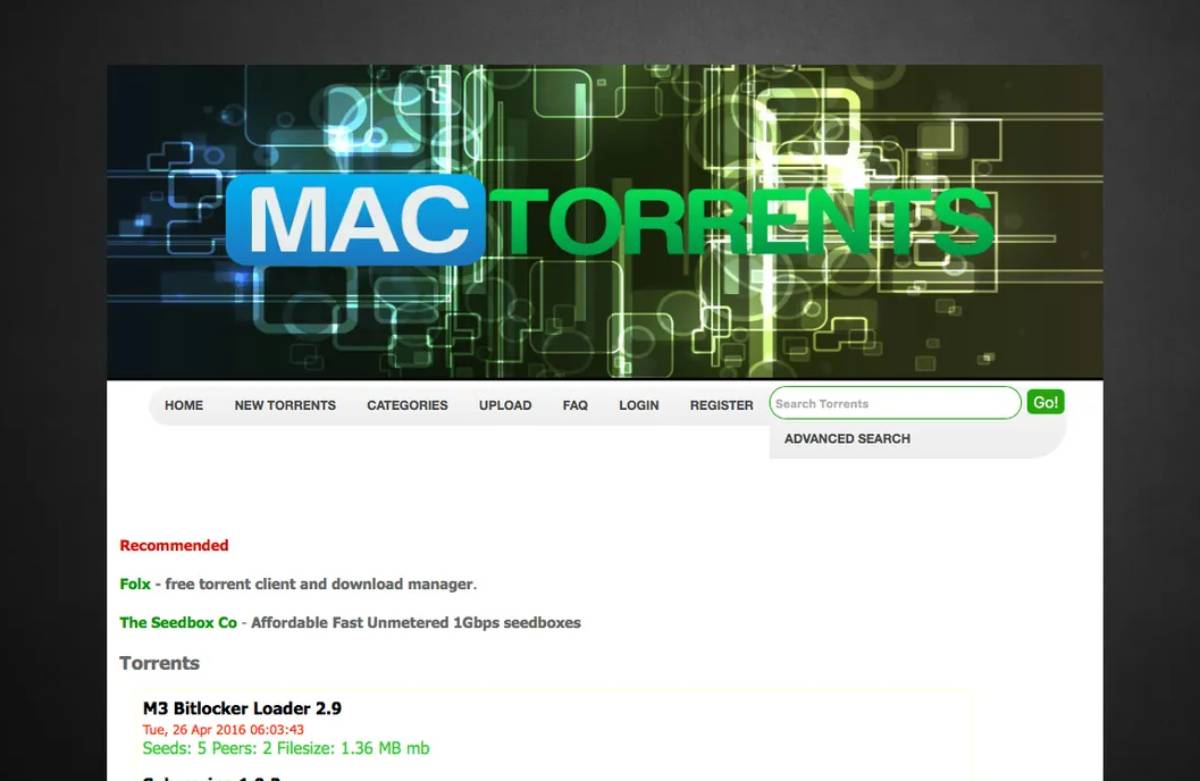
Mac Torrents continues to highlight the evolving challenges surrounding software distribution, intellectual property protection, and digital access. Its presence reflects broader industry discussions about software availability, cybersecurity risks, and copyright enforcement, making it relevant for technology companies, regulators, and business leaders monitoring the software ecosystem.
Mac Torrents is known as a directory that references macOS software shared through torrent technology, illustrating ongoing demand for alternative software distribution channels. Its profile underscores continuing debates over software licensing, copyright compliance, and cybersecurity.
Technology companies are simultaneously investing in secure distribution platforms, subscription-based licensing models, and cloud-delivered software to protect intellectual property while improving customer accessibility. These developments demonstrate how software vendors are adapting to changing user expectations and increasing regulatory attention toward digital content distribution and online security.
The global software industry has undergone significant transformation as businesses shift from perpetual software licenses to subscription and cloud-based delivery models. These approaches improve security, simplify updates, and strengthen intellectual property protection while providing users with continuous feature improvements.
At the same time, cybersecurity concerns and copyright enforcement have become increasingly important as digital software distribution expands across international markets. Governments and technology firms continue strengthening anti-piracy initiatives, digital rights management systems, and secure application ecosystems to reduce unauthorized distribution. Mac Torrents reflects these broader market dynamics, highlighting ongoing tensions between software accessibility, user demand, cybersecurity considerations, and intellectual property protection within the global technology landscape.
Technology analysts argue that sustainable software growth depends on balancing user convenience with strong intellectual property protection. Experts note that cloud computing, software-as-a-service (SaaS), and secure digital marketplaces have significantly reduced reliance on traditional distribution methods while improving software security.
Cybersecurity specialists also emphasize that downloading software from unverified sources can increase operational and security risks for individuals and organizations. While no official corporate statement accompanies this platform profile, industry observers agree that software vendors will continue investing in secure delivery infrastructure, automated licensing systems, and customer-focused subscription models to strengthen trust and long-term business performance.
For businesses, the continued evolution of software distribution reinforces the importance of secure licensing models, cybersecurity investment, and intellectual property management. Investors are expected to monitor software companies successfully expanding subscription services and cloud-based delivery platforms.
Policymakers will likely continue strengthening copyright enforcement, cybersecurity regulations, and digital commerce frameworks to support innovation while protecting creators and consumers. Organizations should also prioritize software compliance and secure procurement practices to reduce operational and legal risks.
The software industry is expected to continue transitioning toward cloud-native applications, subscription services, and enhanced security standards. Decision-makers should monitor evolving copyright regulations, cybersecurity developments, and enterprise software trends that influence digital distribution strategies. Organizations capable of combining secure technology, user convenience, and regulatory compliance are likely to maintain stronger long-term competitive positions.
Source: AlternativeTo
Date: July 28, 2026


