



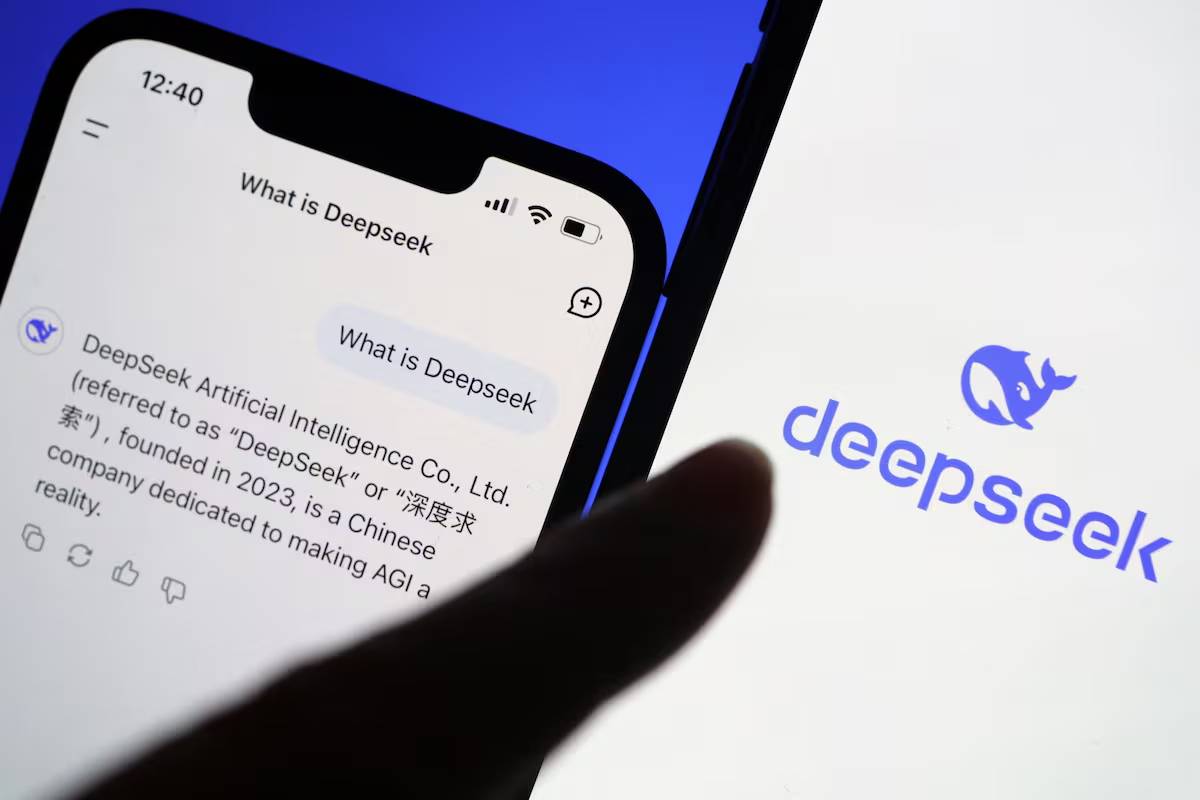
A major development unfolded today as global investors and policymakers monitor China’s emerging AI initiatives, a year after the DeepSeek crash shook technology markets. The rise of next-generation AI technologies in China raises concerns over market volatility, competitive disruption, and geopolitical ramifications, signaling urgent attention for multinational corporations, regulators, and global financial stakeholders.
Chinese tech firms are reportedly advancing AI models with capabilities that could rival or surpass previous industry benchmarks, drawing scrutiny from international regulators and market analysts. Following the DeepSeek collapse, investor sentiment remains cautious, yet the new AI initiatives are attracting attention from venture capital, sovereign wealth funds, and corporate R&D arms. Market analysts are tracking implications for global technology supply chains, cross-border investments, and competitive positioning in AI-powered sectors. Governments and financial institutions are exploring risk mitigation measures to prevent repeat systemic shocks, while stakeholders emphasize balancing innovation with stability and regulatory oversight in AI development.
The development aligns with a broader trend where national AI strategies increasingly influence global markets and technological leadership. The DeepSeek crash highlighted the risks of rapid AI commercialization without sufficient oversight, causing significant market disruptions and investor losses. China’s strategic push into AI is part of a larger geopolitical and economic agenda, aiming to secure technological self-reliance and global influence. Internationally, this coincides with accelerated AI adoption across finance, healthcare, and industrial sectors, raising concerns about competitive imbalances, intellectual property, and regulatory divergence. For executives, the unfolding scenario underscores the need to integrate risk management, scenario planning, and cross-border strategic foresight into corporate AI and investment strategies. Historical lessons from prior tech bubbles reinforce the importance of measured, transparent, and resilient deployment of emerging technologies.
Industry analysts note that China’s next-generation AI developments could reshape global technology supply chains and investment flows. “Companies and investors must now reassess exposure to AI-driven ventures, particularly in high-risk markets,” said one strategist. Officials in Europe and North America are reportedly evaluating policy options to safeguard against systemic market shocks while fostering AI competitiveness. Corporate leaders emphasize integrating regulatory compliance, ethical AI deployment, and operational safeguards into their expansion strategies. Investors are increasingly scrutinizing corporate governance, transparency, and AI risk mitigation protocols. Market reactions suggest cautious optimism: while innovation offers growth potential, stakeholders are aware of volatility risks. Global collaboration on AI safety standards, data governance, and ethical frameworks is being discussed as a priority to prevent repeat market disruptions akin to the DeepSeek fallout.
For global executives, the new Chinese AI initiatives could redefine competitive landscapes across technology, finance, and industrial sectors. Businesses may need to accelerate AI strategy reviews, risk assessments, and operational safeguards. Investors are advised to evaluate exposure to high-growth yet volatile AI markets and prioritize companies demonstrating strong governance and compliance frameworks. Governments and regulators may introduce policies targeting cross-border AI investment, data security, and technology transfer controls. Analysts warn that companies failing to adapt could face strategic setbacks, reputational risk, or market volatility. Corporate and policy stakeholders are now balancing AI-driven growth with mitigation of systemic, geopolitical, and operational risks.
Decision-makers should monitor developments in China’s AI sector, regulatory responses, and global market reactions over the next 12–18 months. Attention will focus on risk management, ethical deployment, and strategic partnerships. Uncertainties remain regarding technological breakthroughs, cross-border regulation, and investor confidence. Companies that integrate foresight, transparency, and robust governance are best positioned to navigate the evolving AI landscape while mitigating exposure to geopolitical and market risks.
Source & Date
Source: LiveMint
Date: January 2026


