



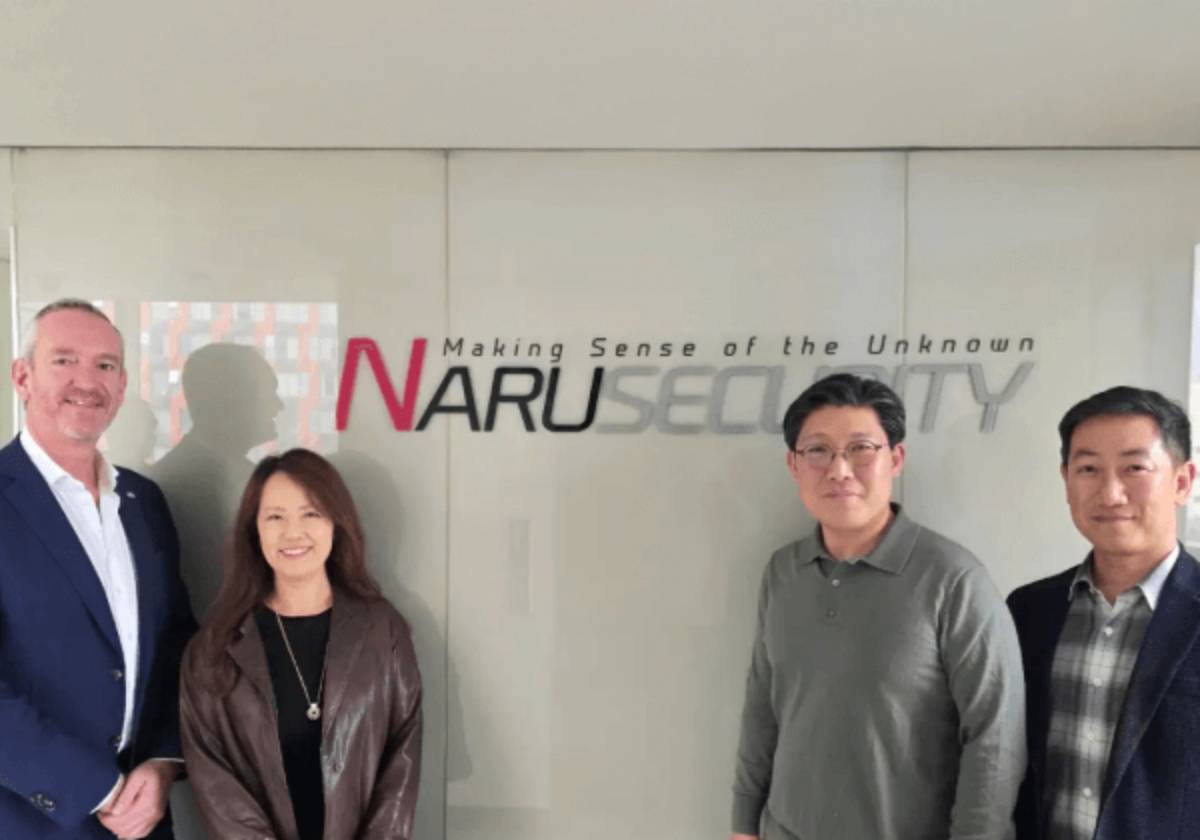
Cybersecurity company Naru Security has selected Luxembourg as the location for its European Union headquarters, underscoring the country's growing reputation as a strategic gateway for technology companies expanding across Europe. The move highlights increasing demand for advanced cyber resilience as businesses, governments, and critical infrastructure face escalating digital threats.
Naru Security's decision to establish its EU headquarters in Luxembourg reflects the country's expanding role as a centre for cybersecurity, digital innovation, and international business operations. The company aims to strengthen its presence across European markets while supporting customers navigating increasingly complex cybersecurity challenges and regulatory requirements.
The expansion provides Naru Security with access to Luxembourg's well-developed digital ecosystem, multilingual workforce, and proximity to European institutions. It also positions the company to respond more effectively to growing enterprise demand driven by stricter cybersecurity legislation, digital transformation initiatives, and heightened awareness of cyber risks affecting both public and private sectors.
Europe's cybersecurity sector has become a strategic priority as ransomware attacks, supply-chain breaches, and state-sponsored cyber threats continue to increase in frequency and sophistication. Governments across the European Union have introduced stronger cybersecurity regulations, including requirements covering critical infrastructure, financial services, healthcare, and digital service providers.
Luxembourg has steadily built its reputation as a European technology and cybersecurity hub through sustained investment in digital infrastructure, financial technology, cloud computing, space technologies, and research. Its central geographic location, business-friendly environment, and access to EU markets have attracted a growing number of international technology companies seeking regional headquarters.
The establishment of new cybersecurity operations also reflects a wider industry trend in which security vendors are expanding closer to customers as organisations accelerate cloud adoption, artificial intelligence deployment, and digital transformation programmes that require stronger cyber resilience.
Cybersecurity analysts view headquarters expansion within Europe as an increasingly strategic decision rather than simply a commercial one. Companies must now address evolving regulatory frameworks, maintain closer customer relationships, and respond rapidly to emerging cyber threats across multiple jurisdictions.
Industry experts note that Luxembourg offers several competitive advantages, including regulatory stability, a highly skilled international workforce, advanced digital infrastructure, and close links with European financial institutions and policymakers. These strengths make it particularly attractive for cybersecurity firms serving regulated industries.
Business leaders also argue that demand for cybersecurity services will continue rising as artificial intelligence, cloud computing, and connected technologies expand enterprise attack surfaces. Analysts expect organisations to prioritise long-term security investments over reactive spending, making Europe one of the fastest-growing cybersecurity markets globally.
For businesses, Naru Security's expansion reinforces Luxembourg's position as an emerging European cybersecurity hub capable of supporting multinational digital operations. Investors may interpret the move as further evidence of sustained growth opportunities within Europe's cybersecurity market, particularly as regulatory compliance drives enterprise spending.
Governments are also likely to benefit from stronger cybersecurity ecosystems that encourage innovation, attract foreign investment, and improve digital resilience. Corporate executives should anticipate continued increases in cybersecurity investment as compliance obligations, cyber risks, and customer expectations evolve alongside accelerating digital transformation initiatives across both public and private sectors.
Demand for cybersecurity expertise is expected to strengthen further as European regulations tighten and organisations modernise digital infrastructure. Decision-makers should monitor additional international technology companies selecting Luxembourg for regional operations, evolving cybersecurity legislation, and enterprise investment trends. Companies that combine regulatory expertise, advanced threat protection, and strong regional presence are likely to capture growing opportunities across Europe's expanding digital economy.
Source: Startup Luxembourg
Date: July 9, 2026


