
Nvidia Chief Touts AI Investment Boom

According to reports, Huang has been engaging with wealthy investors and family offices, highlighting the potential economic returns generated by the ongoing AI revolution.

June 4, 2026
|
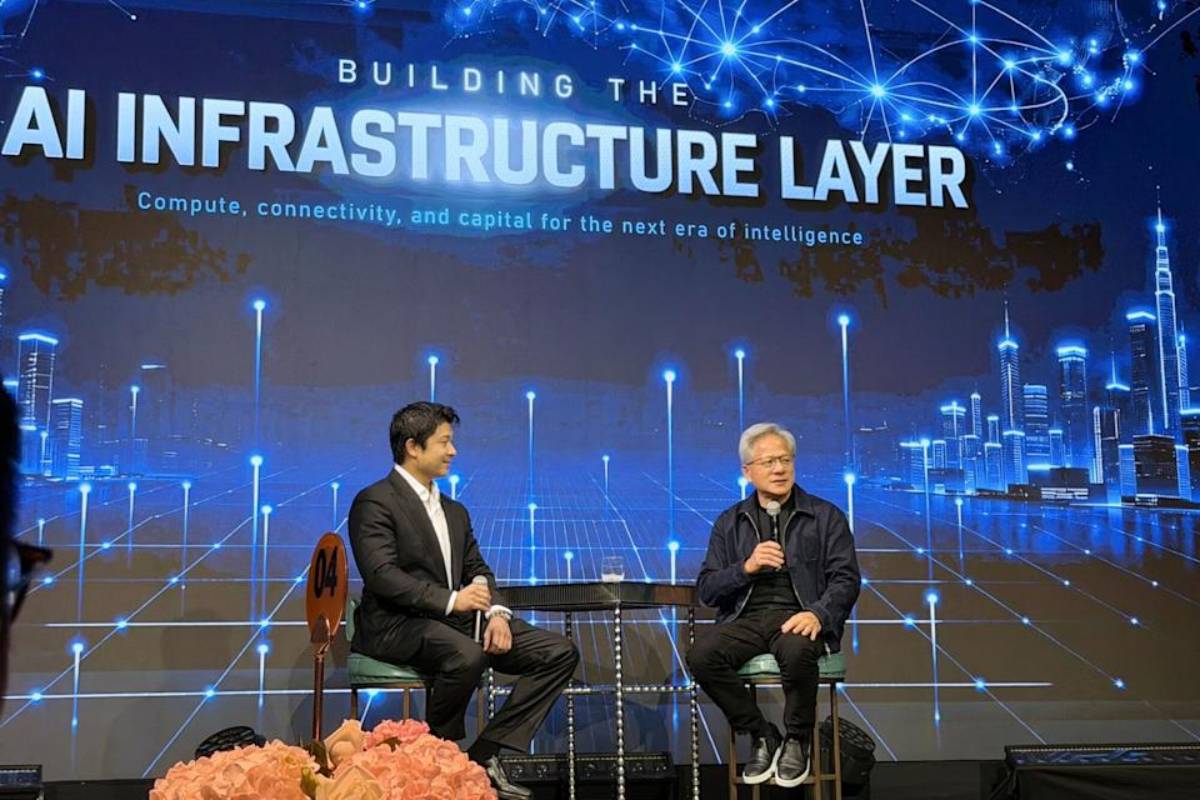
Image Source: Yahoo Finance

Nvidia CEO Jensen Huang is reportedly making the case to billionaire families and major investors that artificial intelligence represents one of the most significant wealth-creation opportunities of the modern era. His message reflects growing confidence across the technology sector that AI infrastructure investments could generate substantial long-term returns as global adoption accelerates.

According to reports, Huang has been engaging with wealthy investors and family offices, highlighting the potential economic returns generated by the ongoing AI revolution. The discussions come as demand for AI chips, computing infrastructure, and data-center capacity continues to surge worldwide.

Nvidia remains one of the primary beneficiaries of the AI boom, supplying the graphics processing units (GPUs) that power advanced AI models and cloud infrastructure. Investor interest has expanded beyond traditional venture capital and institutional funds to include family offices seeking exposure to AI-driven growth opportunities.

The conversations underscore the growing perception that AI infrastructure is becoming a foundational asset class within global investment portfolios. The development aligns with a broader trend across global markets where artificial intelligence has emerged as one of the most influential investment themes of the decade. Since the rise of generative AI, technology companies have committed hundreds of billions of dollars toward data centers, semiconductors, cloud platforms, and model development.

Nvidia has become a central figure in this transformation. The company's processors are widely regarded as essential infrastructure for training and deploying advanced AI systems. As a result, Nvidia has experienced extraordinary growth in revenue, market value, and strategic influence.

At the same time, investors are increasingly searching for opportunities beyond public equities. Family offices and ultra-high-net-worth investors are directing capital toward AI infrastructure, startups, and related technologies in anticipation of sustained long-term demand.

The trend reflects a growing belief that AI could become as transformative economically as the internet, mobile computing, and cloud technology. Market analysts generally agree that AI remains one of the strongest growth narratives in global finance. Many experts argue that the sector's expansion is supported by tangible infrastructure demand rather than purely speculative enthusiasm, distinguishing it from some previous technology investment cycles.

Industry observers note that Nvidia's position at the center of AI infrastructure gives its leadership unique visibility into adoption trends and enterprise spending patterns. Huang's optimistic outlook is therefore closely watched by investors seeking signals about the future trajectory of AI markets.

However, some analysts caution that expectations have become increasingly ambitious. While long-term opportunities remain significant, questions persist regarding valuation levels, competitive dynamics, energy requirements, and the pace at which AI investments translate into sustainable revenue streams.

The debate among experts is shifting from whether AI will drive economic transformation to how quickly organizations can capture measurable returns from their investments. For businesses, continued investor enthusiasm could accelerate funding availability for AI startups, infrastructure providers, and enterprise software developers. Companies may gain greater access to capital as investors seek exposure to the expanding AI ecosystem.

Investors are likely to interpret Nvidia's message as another indication that AI remains a priority growth sector despite concerns regarding costs and market concentration. Increased participation from family offices could further broaden capital inflows into AI-related ventures.

From a policy perspective, the surge in AI investment raises important questions regarding energy consumption, semiconductor supply chains, workforce development, and technological competitiveness. Governments may face growing pressure to modernize infrastructure and support innovation ecosystems capable of sustaining AI-driven economic growth.

Attention will now turn to whether AI infrastructure investments continue generating the returns that investors anticipate. Market participants will closely monitor enterprise adoption, data-center expansion, semiconductor demand, and revenue growth across the AI value chain. As capital continues flowing into the sector, the next phase of the AI economy will likely be defined by the ability of companies to convert technological leadership into durable commercial success.

Source: Yahoo Finance
Date: June 4, 2026

  • Featured tools
Symphony Ayasdi AI
Free

SymphonyAI Sensa is an AI-powered surveillance and financial crime detection platform that surfaces hidden risk behavior through explainable, AI-driven analytics.

#
Finance
Learn more
Copy Ai
Free

Copy AI is one of the most popular AI writing tools designed to help professionals create high-quality content quickly. Whether you are a product manager drafting feature descriptions or a marketer creating ad copy, Copy AI can save hours of work while maintaining creativity and tone.

#
Copywriting
Learn more

Learn more about future of AI

Join 80,000+ Ai enthusiast getting weekly updates on exciting AI tools.
Thank you! Your submission has been received!
Oops! Something went wrong while submitting the form.

Nvidia Chief Touts AI Investment Boom

June 4, 2026

According to reports, Huang has been engaging with wealthy investors and family offices, highlighting the potential economic returns generated by the ongoing AI revolution.

Image Source: Yahoo Finance

Nvidia CEO Jensen Huang is reportedly making the case to billionaire families and major investors that artificial intelligence represents one of the most significant wealth-creation opportunities of the modern era. His message reflects growing confidence across the technology sector that AI infrastructure investments could generate substantial long-term returns as global adoption accelerates.

According to reports, Huang has been engaging with wealthy investors and family offices, highlighting the potential economic returns generated by the ongoing AI revolution. The discussions come as demand for AI chips, computing infrastructure, and data-center capacity continues to surge worldwide.

Nvidia remains one of the primary beneficiaries of the AI boom, supplying the graphics processing units (GPUs) that power advanced AI models and cloud infrastructure. Investor interest has expanded beyond traditional venture capital and institutional funds to include family offices seeking exposure to AI-driven growth opportunities.

The conversations underscore the growing perception that AI infrastructure is becoming a foundational asset class within global investment portfolios. The development aligns with a broader trend across global markets where artificial intelligence has emerged as one of the most influential investment themes of the decade. Since the rise of generative AI, technology companies have committed hundreds of billions of dollars toward data centers, semiconductors, cloud platforms, and model development.

Nvidia has become a central figure in this transformation. The company's processors are widely regarded as essential infrastructure for training and deploying advanced AI systems. As a result, Nvidia has experienced extraordinary growth in revenue, market value, and strategic influence.

At the same time, investors are increasingly searching for opportunities beyond public equities. Family offices and ultra-high-net-worth investors are directing capital toward AI infrastructure, startups, and related technologies in anticipation of sustained long-term demand.

The trend reflects a growing belief that AI could become as transformative economically as the internet, mobile computing, and cloud technology. Market analysts generally agree that AI remains one of the strongest growth narratives in global finance. Many experts argue that the sector's expansion is supported by tangible infrastructure demand rather than purely speculative enthusiasm, distinguishing it from some previous technology investment cycles.

Industry observers note that Nvidia's position at the center of AI infrastructure gives its leadership unique visibility into adoption trends and enterprise spending patterns. Huang's optimistic outlook is therefore closely watched by investors seeking signals about the future trajectory of AI markets.

However, some analysts caution that expectations have become increasingly ambitious. While long-term opportunities remain significant, questions persist regarding valuation levels, competitive dynamics, energy requirements, and the pace at which AI investments translate into sustainable revenue streams.

The debate among experts is shifting from whether AI will drive economic transformation to how quickly organizations can capture measurable returns from their investments. For businesses, continued investor enthusiasm could accelerate funding availability for AI startups, infrastructure providers, and enterprise software developers. Companies may gain greater access to capital as investors seek exposure to the expanding AI ecosystem.

Investors are likely to interpret Nvidia's message as another indication that AI remains a priority growth sector despite concerns regarding costs and market concentration. Increased participation from family offices could further broaden capital inflows into AI-related ventures.

From a policy perspective, the surge in AI investment raises important questions regarding energy consumption, semiconductor supply chains, workforce development, and technological competitiveness. Governments may face growing pressure to modernize infrastructure and support innovation ecosystems capable of sustaining AI-driven economic growth.

Attention will now turn to whether AI infrastructure investments continue generating the returns that investors anticipate. Market participants will closely monitor enterprise adoption, data-center expansion, semiconductor demand, and revenue growth across the AI value chain. As capital continues flowing into the sector, the next phase of the AI economy will likely be defined by the ability of companies to convert technological leadership into durable commercial success.

Source: Yahoo Finance
Date: June 4, 2026

Promote Your Tool

Copy Embed Code

Similar Blogs

June 8, 2026
|

Legora Tech Chief Slams Tokenmaxxing AI Debate Intensifies

The chief technology officer of Legora publicly criticized the emerging practice known as “tokenmaxxing,” describing it as an inefficient and misguided approach to encouraging artificial intelligence usage.
Read more
June 8, 2026
|

JPMorgan Boosts AI Strategy Leadership Hire

JPMorgan Chase has reportedly hired Nomura’s international AI strategy chief to strengthen its global artificial intelligence roadmap.
Read more
June 8, 2026
|

Chrome AI Strategy Sparks Privacy Debate

Reports indicate that Google Chrome may have downloaded a substantial AI model estimated at several gigabytes onto user systems without explicit user awareness.
Read more
June 8, 2026
|

Altman Trump Meeting Raises AI Stakes

Sam Altman reportedly met with Donald Trump following discussion around a recent U.S. executive order on artificial intelligence that, according to reports, imposes limited direct requirements on industry players.
Read more
June 8, 2026
|

Apple AI Settlement Opens User Claims Window

Apple has agreed to a $250 million settlement addressing claims tied to AI-driven iPhone functionalities and user impact concerns. Eligible users may now file claims within a defined submission window.
Read more
June 8, 2026
|

Microsoft AI Expansion Sparks Backlash Energy Impact

During a recent event where Microsoft showcased its latest AI advancements, protesters gathered outside opposing the expansion of large-scale AI data centers.
Read more