
Nvidia Resumes China AI Chip Production Constraints

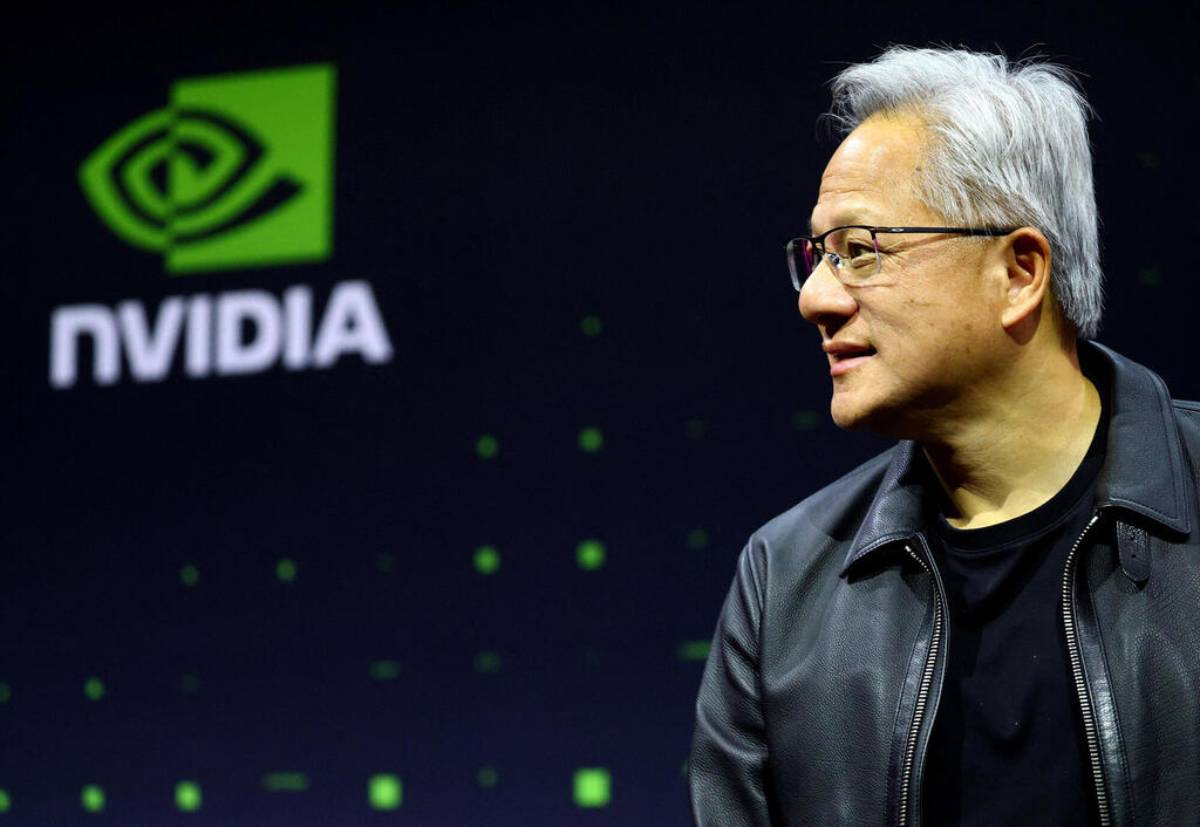
Nvidia CEO Jensen Huang confirmed the company will resume production of AI chips designed specifically for the Chinese market, aligning with regulatory requirements imposed by the United States.

March 18, 2026
|

A major development unfolded as Nvidia announced plans to restart manufacturing of an AI chip variant tailored for China. The move highlights strategic recalibration amid export controls, signaling significant implications for global semiconductor markets, geopolitical dynamics, and enterprise AI infrastructure demand.

Nvidia CEO Jensen Huang confirmed the company will resume production of AI chips designed specifically for the Chinese market, aligning with regulatory requirements imposed by the United States.

The chips are expected to comply with export restrictions while still meeting demand for AI workloads in China. Huang also highlighted a broader market opportunity, projecting that AI-related chip sales including next-generation platforms like Blackwell and Rubin could exceed $1 trillion by 2027.

Key stakeholders include global enterprises, Chinese tech firms, regulators, and investors. The move reflects Nvidia’s effort to maintain market access while navigating geopolitical constraints.

The development aligns with a broader trend across global markets where semiconductor companies are adapting strategies to comply with tightening export controls while sustaining growth. The United States has imposed restrictions on advanced chip exports to China, aiming to limit access to cutting-edge AI technologies.

In response, companies like Nvidia have developed modified versions of their chips to meet regulatory thresholds. This approach allows continued participation in one of the world’s largest technology markets while adhering to policy constraints.

At the same time, global demand for AI infrastructure is surging, driven by enterprise adoption of generative AI, machine learning, and data-intensive applications. This has intensified competition among semiconductor firms and reshaped supply chains, highlighting the strategic importance of chips in the global economy.

Industry analysts view Nvidia’s decision as a pragmatic response to geopolitical realities. Experts note that maintaining a presence in China is critical given the scale of its AI market, despite regulatory challenges.

Jensen Huang’s projection of a trillion-dollar AI chip market underscores the magnitude of the opportunity, reinforcing investor confidence in long-term growth. Analysts highlight that Nvidia’s ability to adapt its product offerings demonstrates strategic flexibility in a constrained environment.

However, some experts caution that ongoing geopolitical tensions could introduce further uncertainties, including stricter controls or retaliatory measures. They emphasize that companies must balance innovation, compliance, and market access in an increasingly complex global landscape.

For global executives, the move signals the importance of adaptability in navigating regulatory and geopolitical challenges. Companies reliant on AI infrastructure may benefit from continued access to Nvidia’s products, particularly in markets affected by export restrictions.

Investors are likely to view the development as a positive indicator of Nvidia’s resilience and growth potential, though geopolitical risks remain a key consideration. The broader semiconductor market may see increased competition as firms develop region-specific solutions.

From a policy perspective, the situation highlights the growing intersection of technology and national security. Governments may continue to refine export controls, shaping the trajectory of global AI development and supply chains.

Looking ahead, attention will focus on how Nvidia balances compliance with innovation while capturing growth in the AI chip market. Decision-makers should monitor evolving export policies, competitive dynamics, and demand trends across regions. Uncertainty remains around geopolitical developments, but the direction is clear: AI chips are becoming a central pillar of economic and strategic competition worldwide.

Source: Reuters
Date: March 17, 2026

  • Featured tools
Beautiful AI
Free

Beautiful AI is an AI-powered presentation platform that automates slide design and formatting, enabling users to create polished, on-brand presentations quickly.

#
Presentation
Learn more
Wonder AI
Free

Wonder AI is a versatile AI-powered creative platform that generates text, images, and audio with minimal input, designed for fast storytelling, visual creation, and audio content generation

#
Art Generator
Learn more

Learn more about future of AI

Join 80,000+ Ai enthusiast getting weekly updates on exciting AI tools.
Thank you! Your submission has been received!
Oops! Something went wrong while submitting the form.

Nvidia Resumes China AI Chip Production Constraints

March 18, 2026

Nvidia CEO Jensen Huang confirmed the company will resume production of AI chips designed specifically for the Chinese market, aligning with regulatory requirements imposed by the United States.

A major development unfolded as Nvidia announced plans to restart manufacturing of an AI chip variant tailored for China. The move highlights strategic recalibration amid export controls, signaling significant implications for global semiconductor markets, geopolitical dynamics, and enterprise AI infrastructure demand.

Nvidia CEO Jensen Huang confirmed the company will resume production of AI chips designed specifically for the Chinese market, aligning with regulatory requirements imposed by the United States.

The chips are expected to comply with export restrictions while still meeting demand for AI workloads in China. Huang also highlighted a broader market opportunity, projecting that AI-related chip sales including next-generation platforms like Blackwell and Rubin could exceed $1 trillion by 2027.

Key stakeholders include global enterprises, Chinese tech firms, regulators, and investors. The move reflects Nvidia’s effort to maintain market access while navigating geopolitical constraints.

The development aligns with a broader trend across global markets where semiconductor companies are adapting strategies to comply with tightening export controls while sustaining growth. The United States has imposed restrictions on advanced chip exports to China, aiming to limit access to cutting-edge AI technologies.

In response, companies like Nvidia have developed modified versions of their chips to meet regulatory thresholds. This approach allows continued participation in one of the world’s largest technology markets while adhering to policy constraints.

At the same time, global demand for AI infrastructure is surging, driven by enterprise adoption of generative AI, machine learning, and data-intensive applications. This has intensified competition among semiconductor firms and reshaped supply chains, highlighting the strategic importance of chips in the global economy.

Industry analysts view Nvidia’s decision as a pragmatic response to geopolitical realities. Experts note that maintaining a presence in China is critical given the scale of its AI market, despite regulatory challenges.

Jensen Huang’s projection of a trillion-dollar AI chip market underscores the magnitude of the opportunity, reinforcing investor confidence in long-term growth. Analysts highlight that Nvidia’s ability to adapt its product offerings demonstrates strategic flexibility in a constrained environment.

However, some experts caution that ongoing geopolitical tensions could introduce further uncertainties, including stricter controls or retaliatory measures. They emphasize that companies must balance innovation, compliance, and market access in an increasingly complex global landscape.

For global executives, the move signals the importance of adaptability in navigating regulatory and geopolitical challenges. Companies reliant on AI infrastructure may benefit from continued access to Nvidia’s products, particularly in markets affected by export restrictions.

Investors are likely to view the development as a positive indicator of Nvidia’s resilience and growth potential, though geopolitical risks remain a key consideration. The broader semiconductor market may see increased competition as firms develop region-specific solutions.

From a policy perspective, the situation highlights the growing intersection of technology and national security. Governments may continue to refine export controls, shaping the trajectory of global AI development and supply chains.

Looking ahead, attention will focus on how Nvidia balances compliance with innovation while capturing growth in the AI chip market. Decision-makers should monitor evolving export policies, competitive dynamics, and demand trends across regions. Uncertainty remains around geopolitical developments, but the direction is clear: AI chips are becoming a central pillar of economic and strategic competition worldwide.

Source: Reuters
Date: March 17, 2026

Promote Your Tool

Copy Embed Code

Similar Blogs

March 18, 2026
|

Micron Set for Earnings Surge from AI Demand

Micron is set to report its Q1 2026 earnings next week, with analysts forecasting substantial year-over-year growth due to heightened demand for DRAM and NAND memory in AI applications.
Read more
March 18, 2026
|

Meta Manus Expands AI Agent Desktop Reach

Meta’s Manus desktop app allows users to deploy the AI agent outside cloud-only environments, enhancing speed, personalization, and offline capabilities.
Read more
March 18, 2026
|

AI Advertising Crackdown Bans “Remove Anything” Claims

The ruling by the Advertising Standards Authority determined that the ad’s claims were misleading and could exaggerate the app’s capabilities.
Read more
March 18, 2026
|

Court Ruling Boosts Perplexity AI Competition

A court decision has halted efforts by Amazon to ban or limit AI agents developed by Perplexity AI on its platform. The ruling allows continued deployment and operation of these AI tools, at least temporarily.
Read more
March 18, 2026
|

Compute Divide Intensifies US China AI Rivalry

The growing disparity in computing power driven by access to advanced semiconductors and large-scale data centers is becoming central to AI competitiveness.
Read more
March 18, 2026
|

Samsung Signals AI Driven Chip Boom Into 2026

An executive at Samsung Electronics indicated that demand for AI-related semiconductors is expected to remain robust through 2026, driven by expanding use cases in data.
Read more