
Nvidia Doosan Forge AI Infrastructure Alliance

Nvidia and Doosan Group have unveiled a strategic collaboration focused on advancing physical AI systems and AI-enabled industrial infrastructure.

June 8, 2026
|
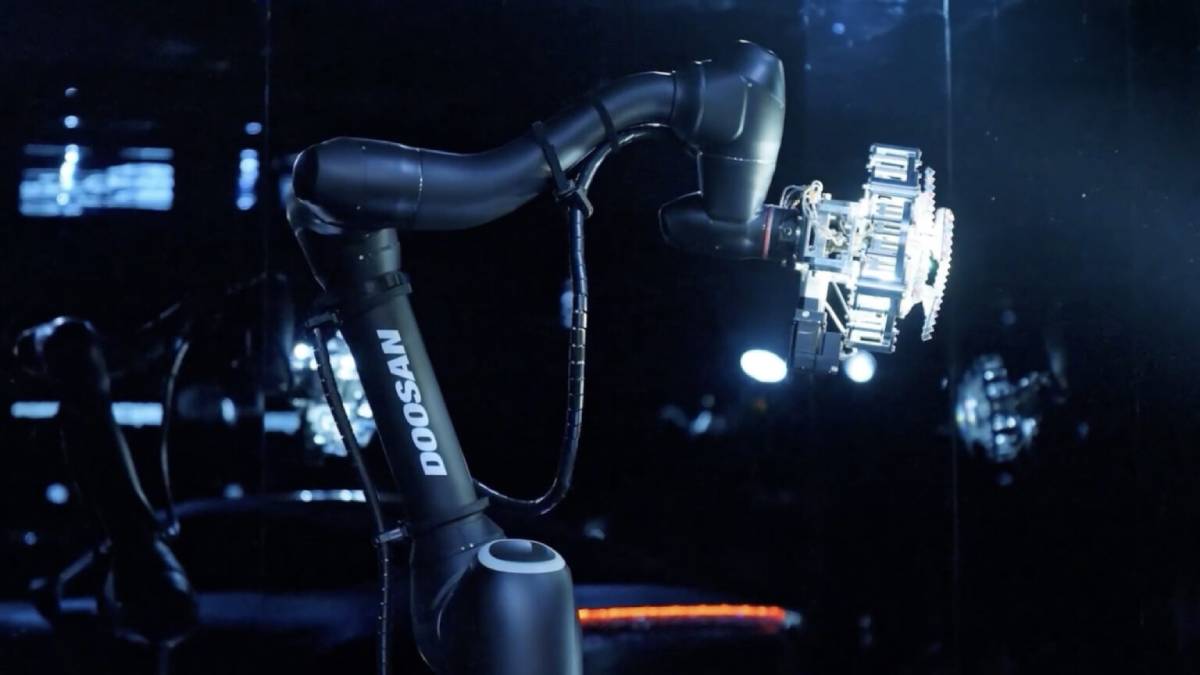
Image Source: Nvidia Blog

A major industrial AI partnership has emerged as Nvidia and Doosan Group announced plans to collaborate on physical AI technologies and next-generation AI factory infrastructure. The initiative signals a broader transformation in global manufacturing, where artificial intelligence is increasingly moving from digital applications into real-world industrial operations, automation, and critical infrastructure development.

Nvidia and Doosan Group have unveiled a strategic collaboration focused on advancing physical AI systems and AI-enabled industrial infrastructure. The partnership aims to integrate Nvidia’s AI computing platforms with Doosan’s expertise in energy systems, manufacturing equipment, robotics, and industrial engineering.

The companies plan to explore AI applications across factory automation, intelligent robotics, digital twins, and industrial operations. The initiative reflects growing demand for AI infrastructure capable of supporting real-world manufacturing and operational environments.

The collaboration comes as industrial companies worldwide seek productivity gains through automation and data-driven decision-making. It also reinforces Asia’s growing role in the global race to commercialize industrial AI technologies and smart manufacturing systems.

The development aligns with a broader trend across global markets where artificial intelligence is expanding beyond software and cloud services into physical industrial environments. While the first wave of AI investment focused on data centers, generative AI, and digital productivity tools, the next phase increasingly centers on robotics, autonomous systems, and intelligent factories.

Manufacturing industries worldwide face persistent challenges including labor shortages, rising operational costs, supply-chain complexity, and productivity pressures. As a result, industrial firms are accelerating investments in AI-driven automation technologies.

The concept of "physical AI" has gained prominence as advances in AI models, sensors, robotics, and simulation platforms enable machines to perceive, reason, and act in real-world environments. Companies across Asia, North America, and Europe are competing to establish leadership in AI-enabled industrial infrastructure, viewing it as a critical pillar of future economic competitiveness and industrial resilience.

Industry analysts view the Nvidia-Doosan partnership as another indication that AI investment is broadening beyond traditional technology sectors into heavy industry and manufacturing. Experts argue that industrial AI could become one of the largest long-term opportunities for AI deployment due to the scale of global manufacturing operations.

Technology strategists note that Nvidia has increasingly positioned itself as a provider of foundational AI infrastructure rather than solely a semiconductor company. Partnerships with industrial conglomerates allow the company to extend its influence into robotics, factory automation, and operational technology ecosystems.

Meanwhile, manufacturing experts emphasize that successful implementation will depend on integration capabilities, workforce adaptation, cybersecurity readiness, and return-on-investment metrics. Many believe that digital twin technologies and AI-powered automation will become standard components of future industrial facilities, particularly in sectors such as energy, heavy equipment, logistics, and advanced manufacturing.

For global executives, the partnership highlights the growing strategic importance of industrial AI adoption. Manufacturing companies may face increasing pressure to modernize operations through automation, predictive analytics, and intelligent robotics to remain competitive.

Investors are likely to view industrial AI as a major growth market that extends the AI investment cycle beyond cloud computing and enterprise software. The collaboration also reinforces demand for advanced AI infrastructure and computing platforms.

From a policy perspective, governments may increasingly support AI-enabled manufacturing initiatives as part of broader industrial competitiveness strategies. At the same time, regulators will continue evaluating workforce impacts, cybersecurity risks, and standards governing autonomous industrial systems.

Attention will now turn to how quickly Nvidia and Doosan can translate the partnership into deployable industrial AI solutions. Decision-makers will closely monitor pilot deployments, productivity outcomes, and adoption rates across manufacturing sectors.

As physical AI moves from experimentation to implementation, partnerships between technology leaders and industrial operators are expected to play a defining role in shaping the next era of global manufacturing competitiveness.

Source: Nvidia Blog
Date:
June 2026

  • Featured tools
Hostinger Website Builder
Paid

Hostinger Website Builder is a drag-and-drop website creator bundled with hosting and AI-powered tools, designed for businesses, blogs and small shops with minimal technical effort.It makes launching a site fast and affordable, with templates, responsive design and built-in hosting all in one.

#
Productivity
#
Startup Tools
#
Ecommerce
Learn more
Writesonic AI
Free

Writesonic AI is a versatile AI writing platform designed for marketers, entrepreneurs, and content creators. It helps users create blog posts, ad copies, product descriptions, social media posts, and more with ease. With advanced AI models and user-friendly tools, Writesonic streamlines content production and saves time for busy professionals.

#
Copywriting
Learn more

Learn more about future of AI

Join 80,000+ Ai enthusiast getting weekly updates on exciting AI tools.
Thank you! Your submission has been received!
Oops! Something went wrong while submitting the form.

Nvidia Doosan Forge AI Infrastructure Alliance

June 8, 2026

Nvidia and Doosan Group have unveiled a strategic collaboration focused on advancing physical AI systems and AI-enabled industrial infrastructure.

Image Source: Nvidia Blog

A major industrial AI partnership has emerged as Nvidia and Doosan Group announced plans to collaborate on physical AI technologies and next-generation AI factory infrastructure. The initiative signals a broader transformation in global manufacturing, where artificial intelligence is increasingly moving from digital applications into real-world industrial operations, automation, and critical infrastructure development.

Nvidia and Doosan Group have unveiled a strategic collaboration focused on advancing physical AI systems and AI-enabled industrial infrastructure. The partnership aims to integrate Nvidia’s AI computing platforms with Doosan’s expertise in energy systems, manufacturing equipment, robotics, and industrial engineering.

The companies plan to explore AI applications across factory automation, intelligent robotics, digital twins, and industrial operations. The initiative reflects growing demand for AI infrastructure capable of supporting real-world manufacturing and operational environments.

The collaboration comes as industrial companies worldwide seek productivity gains through automation and data-driven decision-making. It also reinforces Asia’s growing role in the global race to commercialize industrial AI technologies and smart manufacturing systems.

The development aligns with a broader trend across global markets where artificial intelligence is expanding beyond software and cloud services into physical industrial environments. While the first wave of AI investment focused on data centers, generative AI, and digital productivity tools, the next phase increasingly centers on robotics, autonomous systems, and intelligent factories.

Manufacturing industries worldwide face persistent challenges including labor shortages, rising operational costs, supply-chain complexity, and productivity pressures. As a result, industrial firms are accelerating investments in AI-driven automation technologies.

The concept of "physical AI" has gained prominence as advances in AI models, sensors, robotics, and simulation platforms enable machines to perceive, reason, and act in real-world environments. Companies across Asia, North America, and Europe are competing to establish leadership in AI-enabled industrial infrastructure, viewing it as a critical pillar of future economic competitiveness and industrial resilience.

Industry analysts view the Nvidia-Doosan partnership as another indication that AI investment is broadening beyond traditional technology sectors into heavy industry and manufacturing. Experts argue that industrial AI could become one of the largest long-term opportunities for AI deployment due to the scale of global manufacturing operations.

Technology strategists note that Nvidia has increasingly positioned itself as a provider of foundational AI infrastructure rather than solely a semiconductor company. Partnerships with industrial conglomerates allow the company to extend its influence into robotics, factory automation, and operational technology ecosystems.

Meanwhile, manufacturing experts emphasize that successful implementation will depend on integration capabilities, workforce adaptation, cybersecurity readiness, and return-on-investment metrics. Many believe that digital twin technologies and AI-powered automation will become standard components of future industrial facilities, particularly in sectors such as energy, heavy equipment, logistics, and advanced manufacturing.

For global executives, the partnership highlights the growing strategic importance of industrial AI adoption. Manufacturing companies may face increasing pressure to modernize operations through automation, predictive analytics, and intelligent robotics to remain competitive.

Investors are likely to view industrial AI as a major growth market that extends the AI investment cycle beyond cloud computing and enterprise software. The collaboration also reinforces demand for advanced AI infrastructure and computing platforms.

From a policy perspective, governments may increasingly support AI-enabled manufacturing initiatives as part of broader industrial competitiveness strategies. At the same time, regulators will continue evaluating workforce impacts, cybersecurity risks, and standards governing autonomous industrial systems.

Attention will now turn to how quickly Nvidia and Doosan can translate the partnership into deployable industrial AI solutions. Decision-makers will closely monitor pilot deployments, productivity outcomes, and adoption rates across manufacturing sectors.

As physical AI moves from experimentation to implementation, partnerships between technology leaders and industrial operators are expected to play a defining role in shaping the next era of global manufacturing competitiveness.

Source: Nvidia Blog
Date:
June 2026

Promote Your Tool

Copy Embed Code

Similar Blogs

June 9, 2026
|

Apple Hybrid AI Strategy Privacy Focus

Apple’s latest AI framework, revealed at WWDC 2026, incorporates advanced model capabilities influenced by Google’s Gemini ecosystem while adapting them for Apple’s proprietary infrastructure.
Read more
June 9, 2026
|

Apple Fitness Plus AI Coaching Expansion

Apple’s latest Fitness+ update brings Spanish language support to its AI-driven Workout Buddy feature, which provides real-time coaching and motivational guidance during workouts.
Read more
June 9, 2026
|

Apple Overhauls AI Strategy WWDC2026 Ecosystem

Apple introduced a broad expansion of its “Apple Intelligence” framework, embedding AI more deeply into iOS, iPadOS, macOS, and visionOS.
Read more
June 9, 2026
|

Apple Expands iPadOS AI Productivity Ecosystem

Apple’s iPadOS 27 introduces a new layer of system-wide intelligence designed to improve multitasking, content generation, and contextual assistance across iPad devices.
Read more
June 9, 2026
|

Apple Upgrades Vision Pro AI Spatial Intelligence

Apple’s Vision Pro will soon receive AI-powered enhancements that allow the device to better interpret and interact with real-world environments.
Read more
June 9, 2026
|

Instagram Expands Profile Grid Customization Feature

Instagram’s new feature enables users to manually rearrange the order of posts displayed on their profile grid, moving away from the traditional chronological layout.
Read more