



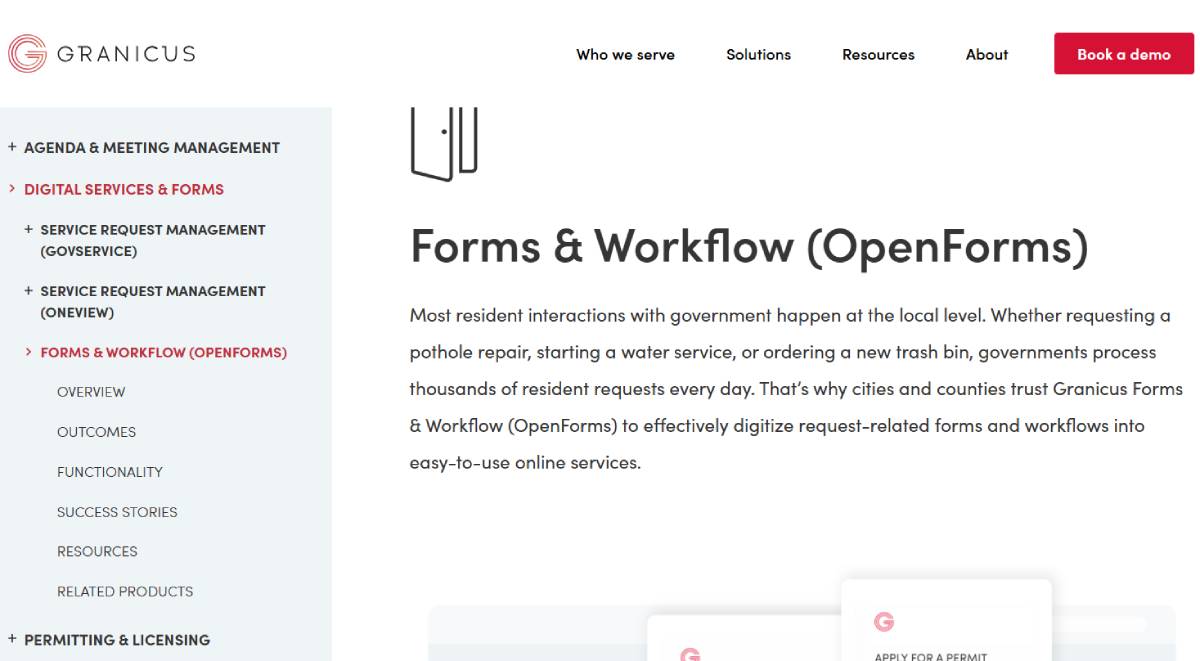
OpenForms reflects the accelerating shift toward digital-first data collection as organizations replace traditional paperwork with automated online forms and workflow solutions. The platform highlights broader trends in business process automation, operational efficiency, and secure information management, with strategic implications for enterprises, government organizations, educators, and technology providers.
OpenForms operates within the digital forms and workflow automation ecosystem, helping organizations create online forms, collect information, and streamline administrative processes. Its growing relevance reflects increased demand for tools that simplify data gathering, reduce manual workloads, and improve operational accuracy.
Businesses and institutions are increasingly adopting cloud-based form solutions to manage customer interactions, internal processes, registrations, surveys, and compliance requirements. The expansion of digital workflow platforms demonstrates how organizations are prioritizing automation and centralized data management. These developments highlight the broader transformation of administrative operations as companies seek faster, more efficient, and scalable digital solutions.
The global adoption of digital transformation technologies has significantly changed how organizations collect, process, and manage information. From customer onboarding and employee surveys to government services and educational applications, online forms have become essential tools for improving accessibility and operational efficiency. This development aligns with a broader trend across global markets where organizations are investing in cloud-based software, automation technologies, and integrated workflow platforms to reduce costs and enhance productivity.
At the same time, growing concerns around cybersecurity, data privacy, and regulatory compliance are influencing how businesses select digital information management solutions. Advances in artificial intelligence, analytics, and automation are further expanding the capabilities of digital forms by enabling smarter data processing, personalized user experiences, and improved decision-making across multiple industries.
Business technology analysts believe digital workflow platforms will continue gaining importance as organizations focus on efficiency, automation, and data-driven operations. Experts note that modern form solutions are evolving beyond simple data collection tools into integrated platforms that support workflow management, analytics, and process optimization. While no specific official statements are directly associated with OpenForms in this overview, industry observers emphasize that successful adoption depends on security, usability, scalability, and integration capabilities.
Analysts expect artificial intelligence to further enhance digital forms through automated responses, intelligent data analysis, and improved user experiences. Organizations that successfully combine automation with strong data governance practices are expected to achieve greater operational agility in an increasingly digital business environment.
For businesses, OpenForms represents the growing importance of automation in improving productivity and customer engagement. Organizations can leverage digital forms to simplify workflows, reduce administrative costs, and create more efficient communication channels. Investors continue monitoring business software, workflow automation, and cloud technology sectors as key areas of digital growth.
Policymakers remain focused on data protection, cybersecurity standards, accessibility requirements, and responsible technology adoption. Companies implementing digital form solutions will need to ensure compliance with evolving privacy regulations while maintaining secure and user-friendly experiences. The continued expansion of automation tools is expected to reshape operational strategies across industries.
The future of digital forms and workflow automation will likely be influenced by artificial intelligence, advanced analytics, cloud integration, and stronger cybersecurity frameworks. Decision-makers should monitor developments in data governance, automation capabilities, and regulatory requirements. Organizations that successfully combine efficiency, security, and user-focused design will be better positioned to improve operations and compete in an increasingly digital global economy.
Source: AlternativeTo
Date: July 29, 2026


