
Palantir CEO Challenges AI Layoff Narrative

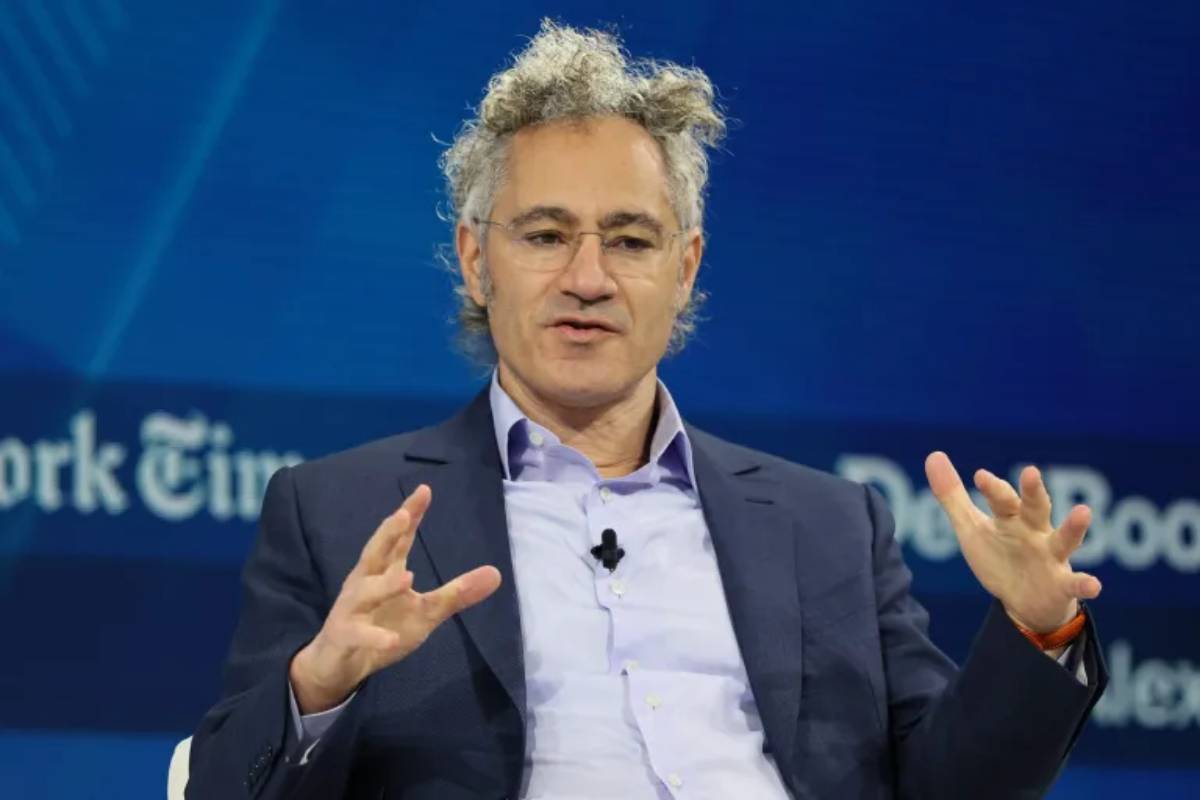
Speaking during a public discussion on the future of artificial intelligence, Alex Karp argued that executives who boast about using AI to significantly reduce headcount risk undermining public support for technological innovation.

June 10, 2026
|
Image Source: Fortune

A notable debate over the future of work and artificial intelligence intensified after Palantir CEO Alex Karp criticized corporate leaders who publicly celebrate AI-driven workforce reductions. His remarks highlight growing tensions between productivity gains and employment concerns as businesses worldwide accelerate AI adoption, forcing executives, investors, and policymakers to confront the social and economic consequences of automation.

Speaking during a public discussion on the future of artificial intelligence, Alex Karp argued that executives who boast about using AI to significantly reduce headcount risk undermining public support for technological innovation. The Palantir chief suggested that such messaging could fuel political backlash and strengthen calls for greater government intervention in the technology sector.

Karp emphasized that AI should be deployed to enhance human capabilities rather than simply eliminate jobs. His comments come as corporations across industries increasingly adopt generative AI tools to automate administrative functions, customer service, software development, and operational workflows.

The remarks arrive amid heightened public scrutiny of AI's impact on employment, labor markets, and economic inequality, making workforce strategy a growing issue for corporate boards and regulators alike.

The debate reflects one of the most significant challenges facing the global AI economy: balancing productivity gains with workforce stability. Since the emergence of generative AI, companies have invested heavily in technologies capable of automating tasks traditionally performed by knowledge workers.

The development aligns with a broader trend across global markets where organizations are exploring AI-driven efficiency improvements while simultaneously facing concerns about labor displacement. Consulting firms, banks, technology companies, and professional services organizations have all reported increased experimentation with AI-powered automation.

Historically, major technological revolutions from industrial machinery to personal computing have generated both economic growth and labor disruption. While new industries and jobs often emerge over time, transitional periods can create political and social tensions.

As governments worldwide develop AI governance frameworks, employment impacts have become a central policy issue. Lawmakers in the United States, Europe, and Asia are increasingly examining how automation could affect wage growth, workforce participation, and economic competitiveness.

Against this backdrop, Karp’s comments stand out because they challenge a narrative embraced by some technology leaders who frame workforce reductions as a primary benefit of AI adoption.

Karp has consistently advocated for a strategic approach to AI deployment that prioritizes national competitiveness, organizational effectiveness, and human-machine collaboration. His latest remarks suggest that technology leaders should be more cautious in how they communicate automation strategies to employees, investors, and the public.

Many labor economists share concerns that aggressive AI-driven workforce reductions could provoke political resistance and increase calls for regulation. Experts argue that public acceptance of emerging technologies often depends on whether workers perceive themselves as beneficiaries rather than victims of technological change.

Industry analysts note that most organizations remain in the early stages of AI implementation. While productivity gains are becoming increasingly visible, there is limited evidence that large-scale workforce displacement has yet occurred across most sectors.

Technology leaders remain divided. Some believe AI will fundamentally transform labor markets and reduce demand for certain roles, while others argue that AI will primarily augment employees, creating opportunities for higher-value work rather than outright replacement.

The differing perspectives underscore the uncertainty surrounding AI’s long-term impact on employment and economic growth. For businesses, Karp’s comments serve as a reminder that AI adoption is not solely a technological challenge but also a reputational and workforce management issue. Executives may need to carefully balance efficiency objectives with employee engagement, talent retention, and public perception.

Investors are increasingly evaluating how companies implement AI, focusing not only on cost reductions but also on sustainable growth, innovation capacity, and organizational resilience. Firms that successfully integrate AI while maintaining workforce trust may gain a competitive advantage.

For policymakers, the discussion reinforces the need for workforce transition strategies, reskilling initiatives, and educational investments. Governments may face growing pressure to develop frameworks that encourage innovation while mitigating potential labor market disruptions.

Consumers and workers, meanwhile, are likely to remain highly sensitive to how organizations communicate and manage AI-driven transformation. As AI adoption accelerates, debate over automation, employment, and economic inclusion is expected to intensify. Business leaders will face increasing scrutiny regarding how they deploy AI and whether productivity gains are shared across organizations and societies.

The next phase of AI transformation may be defined not only by technological capability but also by how effectively institutions balance innovation with workforce stability. Those that navigate both dimensions successfully are likely to shape the future of the global digital economy.

Source: Fortune
Date:
June 9, 2026

  • Featured tools
Wonder AI
Free

Wonder AI is a versatile AI-powered creative platform that generates text, images, and audio with minimal input, designed for fast storytelling, visual creation, and audio content generation

#
Art Generator
Learn more
Writesonic AI
Free

Writesonic AI is a versatile AI writing platform designed for marketers, entrepreneurs, and content creators. It helps users create blog posts, ad copies, product descriptions, social media posts, and more with ease. With advanced AI models and user-friendly tools, Writesonic streamlines content production and saves time for busy professionals.

#
Copywriting
Learn more

Learn more about future of AI

Join 80,000+ Ai enthusiast getting weekly updates on exciting AI tools.
Thank you! Your submission has been received!
Oops! Something went wrong while submitting the form.

Palantir CEO Challenges AI Layoff Narrative

June 10, 2026

Speaking during a public discussion on the future of artificial intelligence, Alex Karp argued that executives who boast about using AI to significantly reduce headcount risk undermining public support for technological innovation.

Image Source: Fortune

A notable debate over the future of work and artificial intelligence intensified after Palantir CEO Alex Karp criticized corporate leaders who publicly celebrate AI-driven workforce reductions. His remarks highlight growing tensions between productivity gains and employment concerns as businesses worldwide accelerate AI adoption, forcing executives, investors, and policymakers to confront the social and economic consequences of automation.

Speaking during a public discussion on the future of artificial intelligence, Alex Karp argued that executives who boast about using AI to significantly reduce headcount risk undermining public support for technological innovation. The Palantir chief suggested that such messaging could fuel political backlash and strengthen calls for greater government intervention in the technology sector.

Karp emphasized that AI should be deployed to enhance human capabilities rather than simply eliminate jobs. His comments come as corporations across industries increasingly adopt generative AI tools to automate administrative functions, customer service, software development, and operational workflows.

The remarks arrive amid heightened public scrutiny of AI's impact on employment, labor markets, and economic inequality, making workforce strategy a growing issue for corporate boards and regulators alike.

The debate reflects one of the most significant challenges facing the global AI economy: balancing productivity gains with workforce stability. Since the emergence of generative AI, companies have invested heavily in technologies capable of automating tasks traditionally performed by knowledge workers.

The development aligns with a broader trend across global markets where organizations are exploring AI-driven efficiency improvements while simultaneously facing concerns about labor displacement. Consulting firms, banks, technology companies, and professional services organizations have all reported increased experimentation with AI-powered automation.

Historically, major technological revolutions from industrial machinery to personal computing have generated both economic growth and labor disruption. While new industries and jobs often emerge over time, transitional periods can create political and social tensions.

As governments worldwide develop AI governance frameworks, employment impacts have become a central policy issue. Lawmakers in the United States, Europe, and Asia are increasingly examining how automation could affect wage growth, workforce participation, and economic competitiveness.

Against this backdrop, Karp’s comments stand out because they challenge a narrative embraced by some technology leaders who frame workforce reductions as a primary benefit of AI adoption.

Karp has consistently advocated for a strategic approach to AI deployment that prioritizes national competitiveness, organizational effectiveness, and human-machine collaboration. His latest remarks suggest that technology leaders should be more cautious in how they communicate automation strategies to employees, investors, and the public.

Many labor economists share concerns that aggressive AI-driven workforce reductions could provoke political resistance and increase calls for regulation. Experts argue that public acceptance of emerging technologies often depends on whether workers perceive themselves as beneficiaries rather than victims of technological change.

Industry analysts note that most organizations remain in the early stages of AI implementation. While productivity gains are becoming increasingly visible, there is limited evidence that large-scale workforce displacement has yet occurred across most sectors.

Technology leaders remain divided. Some believe AI will fundamentally transform labor markets and reduce demand for certain roles, while others argue that AI will primarily augment employees, creating opportunities for higher-value work rather than outright replacement.

The differing perspectives underscore the uncertainty surrounding AI’s long-term impact on employment and economic growth. For businesses, Karp’s comments serve as a reminder that AI adoption is not solely a technological challenge but also a reputational and workforce management issue. Executives may need to carefully balance efficiency objectives with employee engagement, talent retention, and public perception.

Investors are increasingly evaluating how companies implement AI, focusing not only on cost reductions but also on sustainable growth, innovation capacity, and organizational resilience. Firms that successfully integrate AI while maintaining workforce trust may gain a competitive advantage.

For policymakers, the discussion reinforces the need for workforce transition strategies, reskilling initiatives, and educational investments. Governments may face growing pressure to develop frameworks that encourage innovation while mitigating potential labor market disruptions.

Consumers and workers, meanwhile, are likely to remain highly sensitive to how organizations communicate and manage AI-driven transformation. As AI adoption accelerates, debate over automation, employment, and economic inclusion is expected to intensify. Business leaders will face increasing scrutiny regarding how they deploy AI and whether productivity gains are shared across organizations and societies.

The next phase of AI transformation may be defined not only by technological capability but also by how effectively institutions balance innovation with workforce stability. Those that navigate both dimensions successfully are likely to shape the future of the global digital economy.

Source: Fortune
Date:
June 9, 2026

Promote Your Tool

Copy Embed Code

Similar Blogs

June 16, 2026
|

Best Mobile App Design Consulting Services in USA

Mobile applications play an increasingly important role in customer engagement, business growth, and digital transformation. Companies that invest in professional mobile app design consulting are better positioned to create products.
Read more
June 16, 2026
|

Best Fractional Chief of Staff Services in USA

Fractional Chief of Staff services are becoming increasingly valuable for organizations seeking executive-level coordination and strategic execution without adding permanent leadership overhead.
Read more
June 16, 2026
|

Best Ecommerce Consulting Services in USA

Ecommerce continues to be a major driver of business growth, but success requires more than simply launching an online store. Organizations must optimize customer experiences, streamline operations.
Read more
June 16, 2026
|

Best Fashion & Apparel Consulting Services in USA

The best consulting partners combine fashion industry expertise with operational and strategic business insight. The fashion and apparel industry is becoming increasingly complex as brands balance innovation, sustainability, customer expectations.
Read more
June 16, 2026
|

Best Fractional Chief Supply Chain Officer Services in USA

As supply chains become more complex and critical to business success, organizations need experienced leadership to navigate disruption, improve efficiency, and support growth.
Read more
June 15, 2026
|

Best Patient Experience Consulting Services in USA

Patient experience consulting services help healthcare organizations create more compassionate, efficient, and patient-centered care environments. Whether improving satisfaction scores, redesigning care journeys.
Read more