



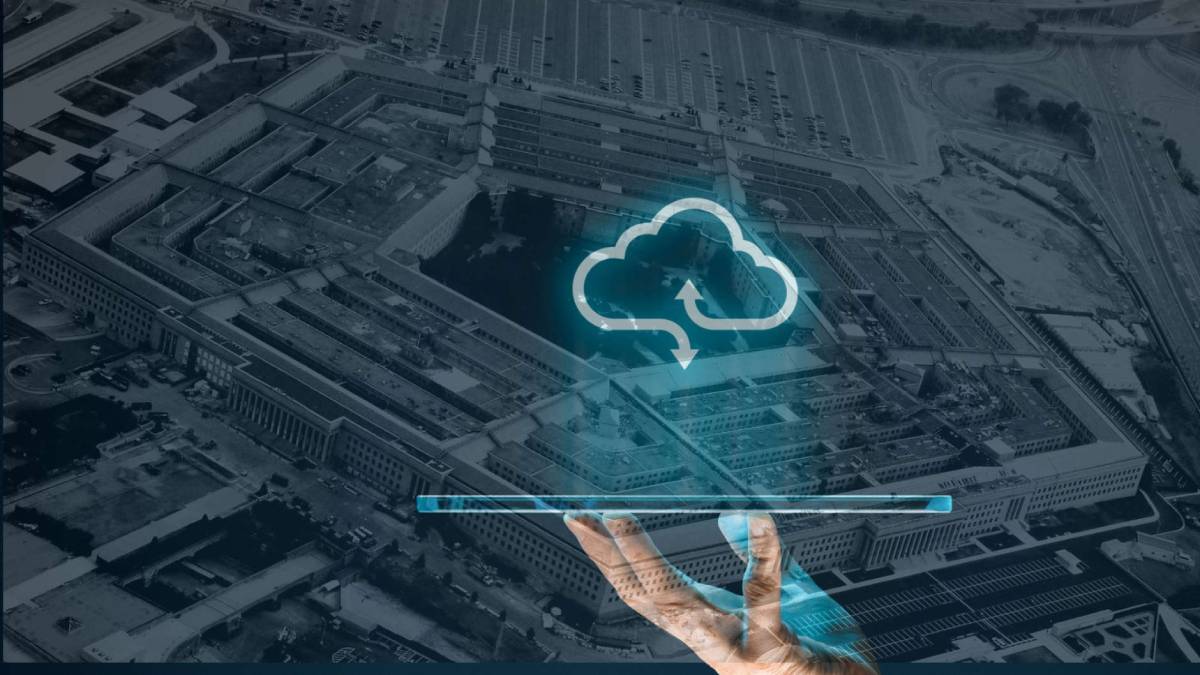
A major digital modernization push is underway at the United States Department of Defense as it moves to expand its AI-enabled Joint Enterprise Task Management System (JETMS) to more than 150,000 users. The initiative signals a strategic shift toward enterprise-wide automation, data-driven coordination, and faster decision-making across military and civilian operations.
The Pentagon is seeking to significantly scale its AI-infused Joint Enterprise Task Management System (JETMS), transforming it from a limited deployment tool into a department-wide operational platform.
The system integrates workflow automation, task tracking, collaboration tools, and AI-enhanced data processing to streamline internal coordination. Expansion plans target more than 150,000 personnel across military services, defense agencies, and civilian offices.
The initiative reflects the Department’s broader push to modernize legacy IT infrastructure, reduce administrative friction, and improve operational responsiveness.
For defense contractors and enterprise software providers, the scale of the rollout presents substantial procurement and integration opportunities, reinforcing AI’s growing footprint in national security infrastructure.
The development aligns with a broader global trend in which governments are embedding artificial intelligence into enterprise management systems to improve efficiency and strategic agility.
The United States Department of Defense has faced longstanding challenges tied to siloed data systems, fragmented communication channels, and outdated task-tracking mechanisms. As geopolitical tensions intensify and operational complexity grows, the need for real-time coordination across commands has become more urgent.
In recent years, the Pentagon has accelerated investments in cloud computing, AI-driven analytics, and digital transformation under enterprise-wide modernization mandates. Programs supporting Joint All-Domain Command and Control (JADC2) and broader IT consolidation efforts have underscored the strategic priority of integrated data environments.
JETMS fits squarely into this modernization architecture, representing a foundational layer for workflow standardization and institutional coordination across one of the world’s largest organizations.
Defense modernization experts note that scaling an AI-enabled task management platform to 150,000 users is as much a governance challenge as a technological one. Successful implementation will depend on interoperability, cybersecurity safeguards, and cultural adoption within the Department.
Officials overseeing enterprise IT initiatives have emphasized that automation is intended to reduce administrative burden and accelerate operational decision cycles not replace core military judgment. Analysts argue that the AI components embedded in JETMS could improve prioritization of high-impact tasks, flag operational bottlenecks, and provide leadership with clearer visibility into departmental workflows.
Industry observers also point out that large-scale AI deployments within federal agencies often serve as testing grounds for future procurement models, influencing standards for transparency, explainability, and security in mission-critical environments.
For global executives and technology providers, the Pentagon’s expansion signals sustained federal demand for secure AI-powered enterprise software. Companies specializing in cloud infrastructure, workflow automation, cybersecurity, and AI governance may find expanded contracting opportunities.
Investors should view the move as part of a structural shift toward AI-embedded public-sector operations a long-term modernization wave rather than a one-off upgrade.
From a policy standpoint, scaling AI across defense administration raises critical questions about data sovereignty, algorithmic accountability, and system resilience against cyber threats. Regulators and oversight bodies are likely to scrutinize deployment standards as adoption broadens.
As the rollout progresses, decision-makers will closely watch integration timelines, cybersecurity performance, and user adoption rates. The Pentagon’s ability to scale JETMS smoothly could influence future AI deployments across federal agencies.
If successful, the initiative may set a benchmark for enterprise AI integration in government redefining how large institutions coordinate, execute, and govern in an era of digital warfare.
Source: DefenseScoop
Date: February 17, 2026


