



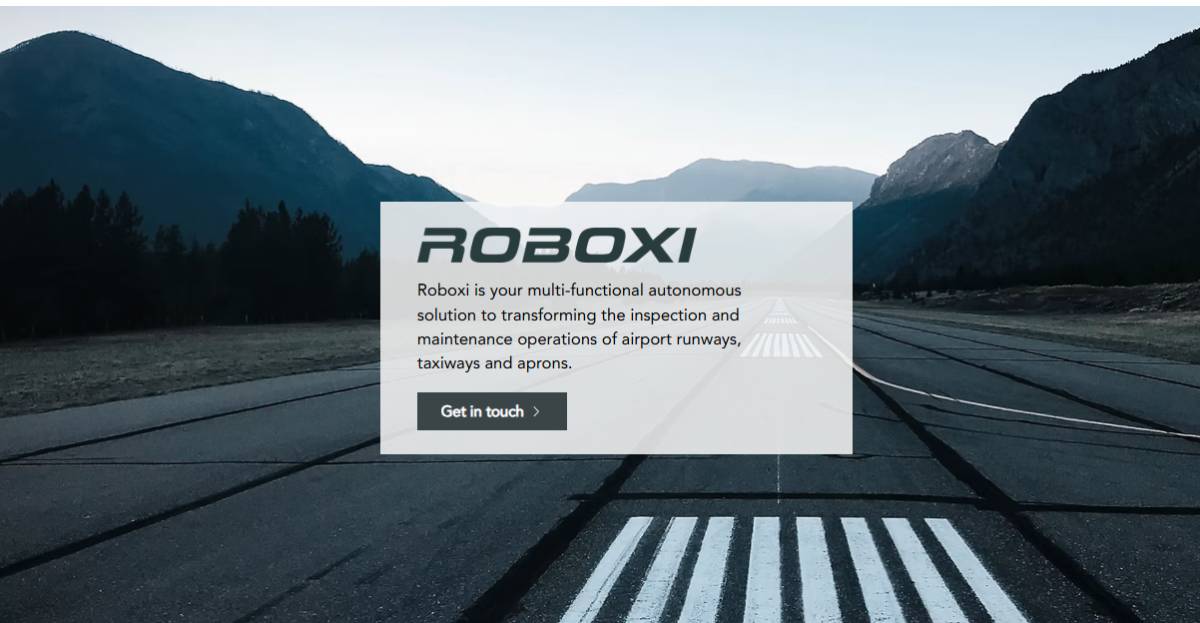
Roboxi has secured €13 million in funding to accelerate the development of autonomous airport runway operations, targeting a critical area of aviation infrastructure modernization. The company’s technology aims to improve safety, efficiency, and operational reliability as airports prepare for a future where automation, robotics, and emerging aerial technologies reshape the global aviation landscape.
Roboxi’s latest funding round will support the company’s mission to make airport ground operations more autonomous through advanced robotics, artificial intelligence, and automated systems. The company is focused on runway environments, where precision, safety, and continuous monitoring are essential.
The investment reflects growing interest in aviation automation as airports face increasing passenger volumes, operational complexity, and security challenges. Roboxi aims to provide solutions that can reduce manual workload while improving response times and operational consistency.
The company’s approach positions autonomous airport infrastructure as a strategic priority, particularly as aviation stakeholders explore safer and more efficient methods for managing critical airside operations.
Airports are among the world’s most complex operational environments, requiring constant coordination between aircraft, vehicles, personnel, and safety systems. As global aviation demand continues to recover and expand, airports are increasingly looking toward automation to improve efficiency and manage growing operational pressures.
The aviation sector has already adopted automation in areas such as baggage handling, passenger processing, and aircraft systems. However, runway operations remain highly dependent on human coordination and manual processes due to strict safety requirements.
The rise of artificial intelligence, robotics, and autonomous mobility technologies is creating new opportunities to transform airport infrastructure. Companies developing autonomous systems are attracting attention from investors and aviation leaders seeking solutions that can improve safety while reducing operational costs.
Roboxi’s focus reflects a broader industry shift toward intelligent infrastructure where airports become more connected, automated, and data-driven. Aviation technology experts believe automation will become increasingly important as airports face pressure to improve efficiency without compromising safety. Autonomous systems can potentially support airport operators by providing continuous monitoring, faster decision-making, and more predictable operations.
Industry analysts note that runway environments present unique challenges because technologies must meet strict reliability and regulatory requirements. Companies developing solutions for aviation infrastructure must demonstrate not only technical capability but also compliance with safety standards.
Investors are showing increased interest in startups that address essential infrastructure challenges rather than focusing only on consumer-facing aviation technologies. Roboxi’s funding highlights confidence in the potential of autonomous airport systems to become an important component of future aviation operations.
Experts suggest that successful deployment will depend on collaboration between technology providers, airport authorities, airlines, and regulators. For airport operators and aviation companies, autonomous runway technology could create opportunities to improve efficiency, reduce operational risks, and optimize resource allocation. Organizations adopting these solutions may gain competitive advantages through improved reliability and lower long-term costs.
For investors, Roboxi’s funding demonstrates growing market interest in infrastructure-focused artificial intelligence and robotics applications. The aviation sector could become a major testing ground for autonomous technologies.
Policymakers and aviation regulators will need to establish clear frameworks that enable innovation while maintaining strict safety standards. As automation expands, governments will play a key role in balancing technological progress with public confidence and operational security.
Roboxi’s next phase will focus on transforming its technology into practical airport deployments and building partnerships across the aviation ecosystem. The company’s progress will be closely monitored as airports worldwide explore automation strategies. As aviation infrastructure becomes increasingly intelligent, autonomous runway solutions could represent a significant step toward safer, more efficient, and more resilient global air transportation systems.
Source: NordicTech News
Date: July 2026


