



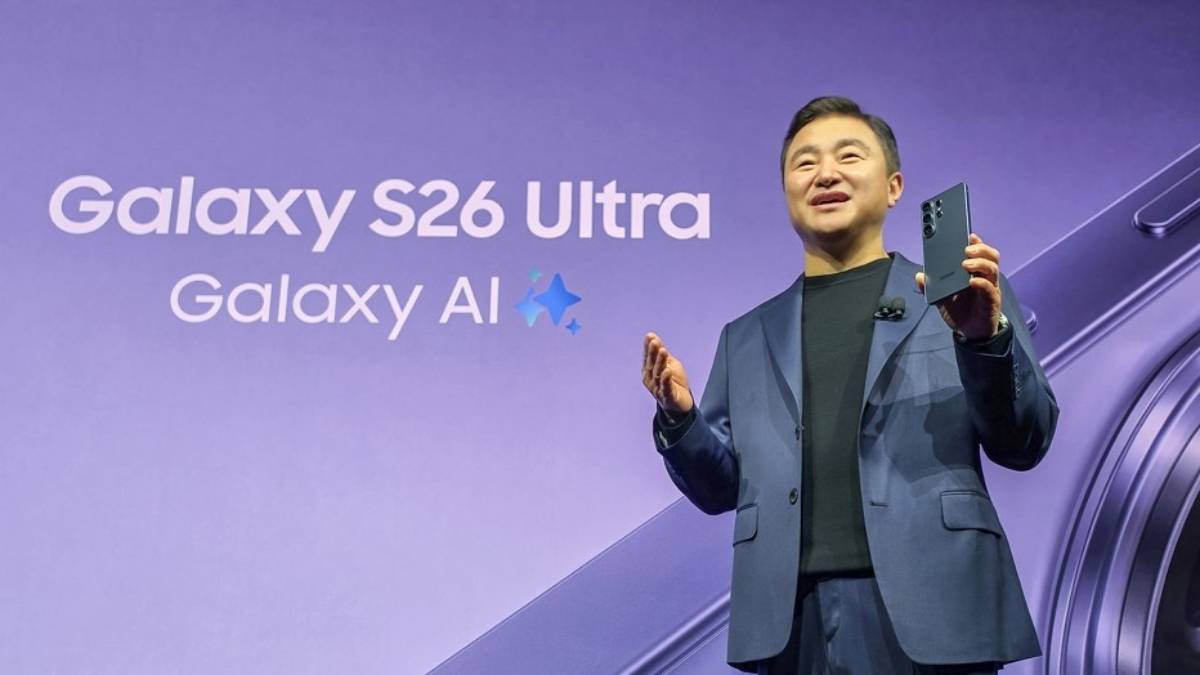
Samsung Electronics has unveiled its flagship Galaxy S26 series, positioning it as its most intuitive AI-powered smartphone to date. The launch underscores intensifying competition in the global premium handset market, where artificial intelligence capabilities are fast becoming the primary differentiator.
Samsung introduced the Galaxy S26 lineup with upgraded on-device AI features, enhanced personalization tools, and deeper integration of generative AI functions across productivity, imaging, and communication. The company emphasized improved real-time language translation, AI-assisted photo and video editing, and context-aware user interactions.
Hardware enhancements include advanced processors optimized for AI workloads and energy-efficient performance improvements. Samsung framed the device as a shift toward seamless human device interaction, where AI anticipates user intent rather than reacting to commands. The announcement signals the company’s intent to consolidate leadership in premium Android smartphones amid fierce global competition.
The development aligns with a broader transformation in the smartphone industry, where AI integration is redefining product cycles. Following rapid advances in generative AI and edge computing, major device manufacturers are embedding AI capabilities directly into handsets rather than relying solely on cloud processing.
This shift reflects consumer demand for privacy, speed, and personalization, as well as geopolitical pressures to localize data processing. The premium smartphone segment has faced saturation in recent years, prompting manufacturers to seek new value propositions beyond camera upgrades and incremental hardware improvements.
AI-driven functionality now represents a central battleground for differentiation. For Samsung, strengthening its AI ecosystem also reinforces its broader semiconductor and chip design strategy, integrating hardware and software innovation. The Galaxy S26 launch thus represents both a product milestone and a strategic repositioning within the global AI race.
Samsung executives described the Galaxy S26 as a device designed to “understand and anticipate” user needs through contextual AI. Industry analysts suggest that embedding AI deeply into operating systems could extend upgrade cycles if users perceive meaningful productivity gains.
Market observers note that on-device AI reduces latency and enhances data security, potentially appealing to enterprise customers and privacy-conscious consumers. However, competition remains intense, with rival manufacturers also accelerating AI-centric launches.
Technology strategists argue that the true differentiator will be ecosystem integration, including wearables, cloud services, and developer platforms. Experts broadly agree that AI-enabled smartphones are shifting from experimental features to foundational design principles in next-generation devices.
For global executives, Samsung’s move highlights how AI is becoming central to consumer electronics strategy. Component suppliers, semiconductor manufacturers, and app developers stand to benefit from expanded AI processing requirements.
Investors may view the launch as a signal of sustained capital allocation toward AI hardware optimization. From a policy perspective, increased on-device AI processing could influence regulatory debates around data sovereignty and digital privacy. Telecom operators may also leverage AI-enabled devices to promote higher-value service tiers.
The broader implication is that AI integration is no longer optional in the premium smartphone market. Market response will depend on consumer adoption rates and competitive reactions from rival manufacturers.
Analysts will track pre-orders, pricing strategy, and ecosystem expansion metrics in key markets. Longer term, the success of the Galaxy S26 may hinge on how effectively Samsung translates AI capability into everyday utility. The launch reinforces a defining industry shift: the smartphone is evolving into a personal AI hub at the center of digital life.
Source: Samsung Newsroom
Date: February 26, 2026


