



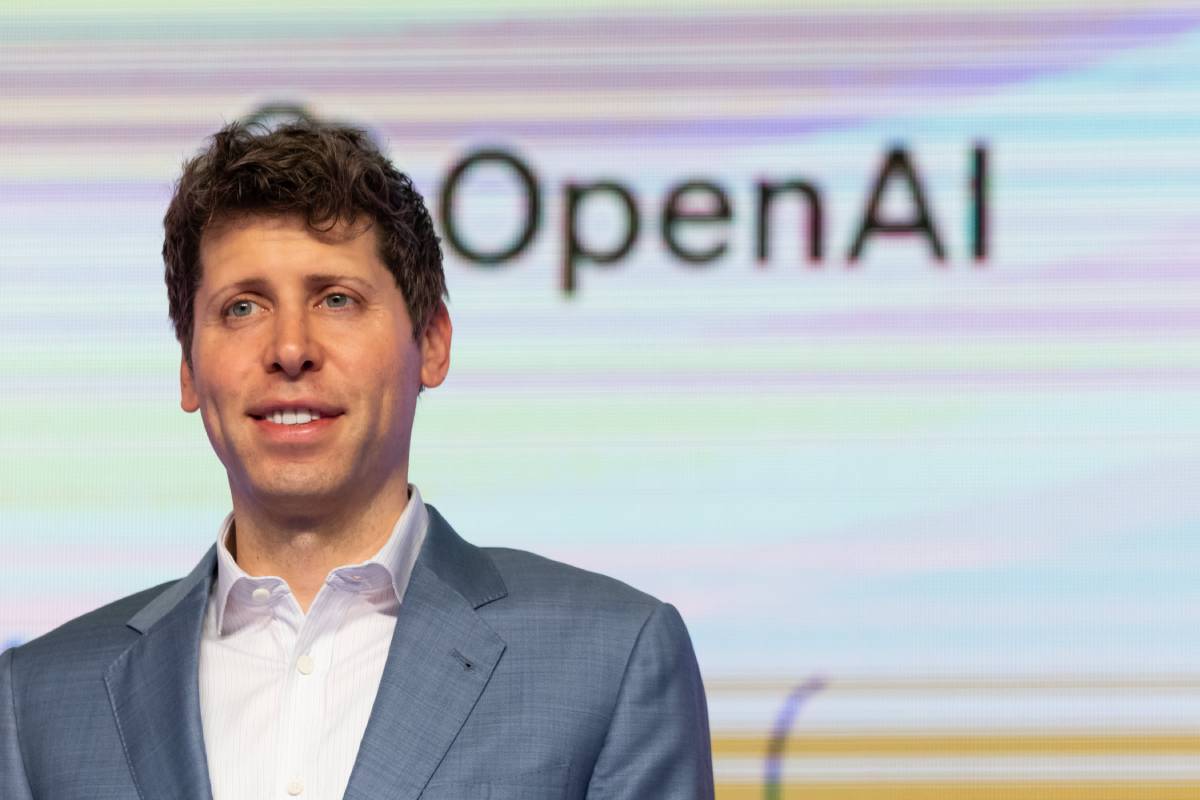
An arson-related security incident targeting the residence of OpenAI CEO Sam Altman has raised fresh concerns over escalating threats faced by high-profile leaders in the AI sector. Authorities allege the suspect intended harm and held extreme views about artificial intelligence and its existential risks, intensifying debate around AI safety discourse and real-world security implications.
Law enforcement officials report that the suspect in the attack on Sam Altman’s residence intended to kill the OpenAI chief executive and had expressed concerns about artificial intelligence posing existential risks to humanity. The incident involved an attempted arson attack, prompting a rapid security response and investigation.
Authorities are examining the suspect’s background, ideological motivations, and potential escalation patterns. The case has drawn attention from both technology and security communities due to the intersection of AI-related fears and real-world violence targeting a leading figure in the industry.
OpenAI and associated stakeholders have not indicated operational disruption, but security protocols around AI executives are expected to be reviewed. The incident occurs against a backdrop of intensifying global debate over artificial intelligence safety, governance, and existential risk narratives. As AI systems become more powerful and widely deployed, public discourse has increasingly polarized between innovation optimism and catastrophic risk scenarios.
High-profile figures in the AI industry, including executives at leading frontier labs, have become symbolic focal points in this debate. This has created an environment where technological concerns can, in rare cases, spill into real-world hostility.
Historically, disruptive technologies from nuclear energy to biotechnology have triggered similar cycles of fear, regulation, and activism. However, the speed of AI advancement and its public accessibility have amplified both awareness and emotional responses, increasing the importance of security planning for industry leaders.
Security analysts note that targeted incidents involving tech executives, while rare, reflect a broader trend of increasing visibility and risk concentration among leaders of influential AI companies. Experts emphasize that ideological extremism tied to technology fears is becoming a growing concern for corporate security teams.
AI governance researchers argue that the spread of “existential risk narratives,” while academically grounded in some circles, can sometimes be misinterpreted or amplified in extreme ways outside technical communities.
Law enforcement experts highlight the importance of proactive threat monitoring and executive protection programs, particularly for leaders in sectors shaping societal-scale technologies. Industry observers also suggest that companies may need to reassess public engagement strategies to balance transparency with personal security risks.
For AI companies, the incident underscores the need to strengthen executive security frameworks as visibility and public scrutiny increase. It may also prompt reassessment of risk management strategies across frontier AI organizations.
Investors could interpret such events as indicators of heightened non-market risks associated with leading AI firms, including reputational and operational security considerations.
From a policy standpoint, governments may face renewed pressure to address the intersection of technology discourse, misinformation, and potential radicalization pathways. Regulators and corporate boards alike may increasingly prioritize security governance as part of broader AI oversight frameworks.
Investigations are expected to continue into the suspect’s motivations and planning, while AI firms likely reassess executive protection protocols. The broader industry may also see increased attention to the real-world implications of AI risk narratives. Over time, this could influence how companies communicate about AI safety and how security frameworks evolve alongside technological acceleration.
Source: https://www.cnbc.com/2026/04/13/sam-altman-openai-ai-arson.html
Date: April 13, 2026


