
Trump AI Push Divides MAGA Coalition

The tensions intensified as the Trump administration advanced a series of AI-focused initiatives aimed at strengthening U.S. competitiveness against global rivals, particularly China.

June 2, 2026
|
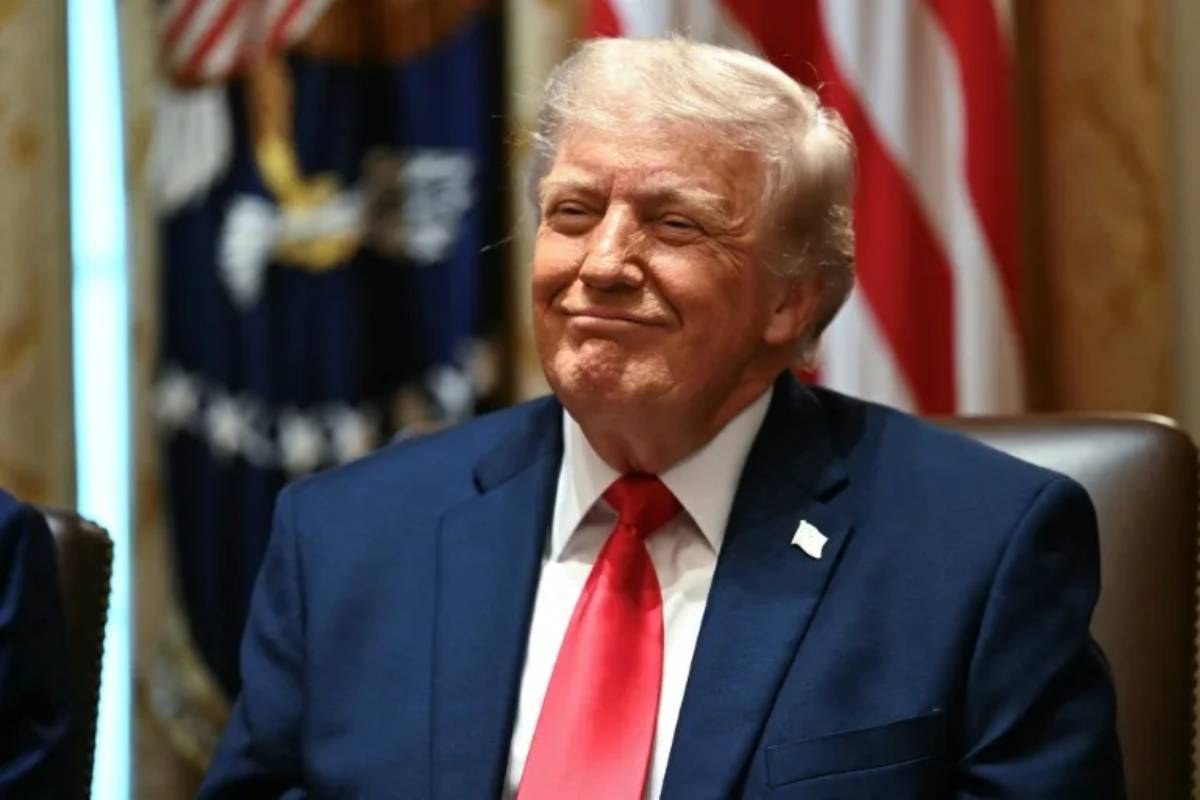
Image Source: Yahoo News

A growing political fault line is emerging within U.S. President Donald Trump’s political base as his administration accelerates support for artificial intelligence development. While Trump has positioned AI as a cornerstone of American technological and economic leadership, influential figures within the MAGA movement are increasingly warning about job displacement, national security risks, and the growing influence of major technology companies. The debate is becoming a significant policy challenge with implications for businesses, investors, regulators, and global technology markets.

The tensions intensified as the Trump administration advanced a series of AI-focused initiatives aimed at strengthening U.S. competitiveness against global rivals, particularly China. Recent policy proposals include efforts to streamline AI deployment, encourage infrastructure investments, and create a unified federal framework for AI governance.

At the same time, more than 60 MAGA-aligned activists and conservative leaders have reportedly urged the White House to impose stricter oversight on advanced AI systems before public deployment. Prominent voices including Steve Bannon and conservative advocacy groups have raised concerns about unchecked technological expansion and its potential impact on American workers and national security.

The administration is also weighing a new executive order that could establish voluntary government review mechanisms for powerful AI models, signaling a possible shift toward greater oversight while maintaining industry cooperation.

The development reflects a broader global trend in which governments are attempting to balance innovation with regulation as artificial intelligence becomes increasingly central to economic growth and national competitiveness.

Since returning to office, Trump has largely embraced a pro-growth AI agenda, arguing that the United States must maintain leadership in emerging technologies. His administration has pushed for national AI standards, resisted fragmented state-level regulations, and encouraged large-scale investments in data centers and computing infrastructure.

However, concerns over AI are no longer limited to traditional regulatory advocates. Within conservative circles, skepticism has grown regarding automation-driven job losses, the environmental impact of energy-intensive data centers, child safety concerns, and the concentration of power among major technology firms.

The debate mirrors wider discussions taking place across Europe, Asia, and North America, where policymakers are grappling with questions surrounding AI governance, workforce disruption, cybersecurity risks, and technological sovereignty. As AI investment reaches record levels globally, political consensus around the technology is becoming increasingly difficult to maintain.

Industry analysts view the emerging divide as one of the most significant political challenges facing AI policy in the United States. Supporters of Trump’s approach argue that excessive regulation could slow innovation and weaken America’s competitive position against China and other technology powers. They contend that a unified national framework would provide certainty for businesses and investors while accelerating research and commercialization efforts.

Critics within the MAGA movement have taken a different position. Conservative activists and policy groups have called for stronger testing requirements and government review mechanisms before advanced AI models are released to the public. Their concerns center on potential cybersecurity threats, workforce disruption, and the societal impact of increasingly autonomous systems.

Meanwhile, the White House has signaled openness to safeguards in sectors such as banking and critical infrastructure while continuing to promote AI adoption as a strategic national priority. Recent discussions around executive actions suggest policymakers are searching for a middle ground between unrestricted innovation and strict regulation.

For global executives, the debate highlights growing political uncertainty around future AI regulation in the world’s largest economy. Companies developing advanced AI systems may face increased scrutiny regarding safety testing, cybersecurity protections, and deployment timelines.

Investors are closely monitoring whether emerging regulatory frameworks could affect the pace of AI commercialization and capital spending. Technology firms, cloud providers, semiconductor companies, and data-center operators remain particularly exposed to policy shifts.

Government agencies and lawmakers may also face mounting pressure to establish clearer rules governing AI development, especially as concerns about employment, energy consumption, and national security gain traction across the political spectrum. The outcome could influence future legislation and international AI governance standards.

The coming months will likely determine whether the Trump administration can maintain support from both technology industry leaders and its populist political base. Investors and policymakers will be watching closely for executive actions, congressional proposals, and potential regulatory frameworks governing advanced AI systems. As AI becomes increasingly central to economic strategy and national security, the political debate surrounding its development is expected to intensify rather than fade.

Source: Yahoo News / Reuters, Axios, Financial Times, Business Standard
Date: June 2, 2026

  • Featured tools
Symphony Ayasdi AI
Free

SymphonyAI Sensa is an AI-powered surveillance and financial crime detection platform that surfaces hidden risk behavior through explainable, AI-driven analytics.

#
Finance
Learn more
Writesonic AI
Free

Writesonic AI is a versatile AI writing platform designed for marketers, entrepreneurs, and content creators. It helps users create blog posts, ad copies, product descriptions, social media posts, and more with ease. With advanced AI models and user-friendly tools, Writesonic streamlines content production and saves time for busy professionals.

#
Copywriting
Learn more

Learn more about future of AI

Join 80,000+ Ai enthusiast getting weekly updates on exciting AI tools.
Thank you! Your submission has been received!
Oops! Something went wrong while submitting the form.

Trump AI Push Divides MAGA Coalition

June 2, 2026

The tensions intensified as the Trump administration advanced a series of AI-focused initiatives aimed at strengthening U.S. competitiveness against global rivals, particularly China.

Image Source: Yahoo News

A growing political fault line is emerging within U.S. President Donald Trump’s political base as his administration accelerates support for artificial intelligence development. While Trump has positioned AI as a cornerstone of American technological and economic leadership, influential figures within the MAGA movement are increasingly warning about job displacement, national security risks, and the growing influence of major technology companies. The debate is becoming a significant policy challenge with implications for businesses, investors, regulators, and global technology markets.

The tensions intensified as the Trump administration advanced a series of AI-focused initiatives aimed at strengthening U.S. competitiveness against global rivals, particularly China. Recent policy proposals include efforts to streamline AI deployment, encourage infrastructure investments, and create a unified federal framework for AI governance.

At the same time, more than 60 MAGA-aligned activists and conservative leaders have reportedly urged the White House to impose stricter oversight on advanced AI systems before public deployment. Prominent voices including Steve Bannon and conservative advocacy groups have raised concerns about unchecked technological expansion and its potential impact on American workers and national security.

The administration is also weighing a new executive order that could establish voluntary government review mechanisms for powerful AI models, signaling a possible shift toward greater oversight while maintaining industry cooperation.

The development reflects a broader global trend in which governments are attempting to balance innovation with regulation as artificial intelligence becomes increasingly central to economic growth and national competitiveness.

Since returning to office, Trump has largely embraced a pro-growth AI agenda, arguing that the United States must maintain leadership in emerging technologies. His administration has pushed for national AI standards, resisted fragmented state-level regulations, and encouraged large-scale investments in data centers and computing infrastructure.

However, concerns over AI are no longer limited to traditional regulatory advocates. Within conservative circles, skepticism has grown regarding automation-driven job losses, the environmental impact of energy-intensive data centers, child safety concerns, and the concentration of power among major technology firms.

The debate mirrors wider discussions taking place across Europe, Asia, and North America, where policymakers are grappling with questions surrounding AI governance, workforce disruption, cybersecurity risks, and technological sovereignty. As AI investment reaches record levels globally, political consensus around the technology is becoming increasingly difficult to maintain.

Industry analysts view the emerging divide as one of the most significant political challenges facing AI policy in the United States. Supporters of Trump’s approach argue that excessive regulation could slow innovation and weaken America’s competitive position against China and other technology powers. They contend that a unified national framework would provide certainty for businesses and investors while accelerating research and commercialization efforts.

Critics within the MAGA movement have taken a different position. Conservative activists and policy groups have called for stronger testing requirements and government review mechanisms before advanced AI models are released to the public. Their concerns center on potential cybersecurity threats, workforce disruption, and the societal impact of increasingly autonomous systems.

Meanwhile, the White House has signaled openness to safeguards in sectors such as banking and critical infrastructure while continuing to promote AI adoption as a strategic national priority. Recent discussions around executive actions suggest policymakers are searching for a middle ground between unrestricted innovation and strict regulation.

For global executives, the debate highlights growing political uncertainty around future AI regulation in the world’s largest economy. Companies developing advanced AI systems may face increased scrutiny regarding safety testing, cybersecurity protections, and deployment timelines.

Investors are closely monitoring whether emerging regulatory frameworks could affect the pace of AI commercialization and capital spending. Technology firms, cloud providers, semiconductor companies, and data-center operators remain particularly exposed to policy shifts.

Government agencies and lawmakers may also face mounting pressure to establish clearer rules governing AI development, especially as concerns about employment, energy consumption, and national security gain traction across the political spectrum. The outcome could influence future legislation and international AI governance standards.

The coming months will likely determine whether the Trump administration can maintain support from both technology industry leaders and its populist political base. Investors and policymakers will be watching closely for executive actions, congressional proposals, and potential regulatory frameworks governing advanced AI systems. As AI becomes increasingly central to economic strategy and national security, the political debate surrounding its development is expected to intensify rather than fade.

Source: Yahoo News / Reuters, Axios, Financial Times, Business Standard
Date: June 2, 2026

Promote Your Tool

Copy Embed Code

Similar Blogs

June 16, 2026
|

Best Revenue & Sales Enablement Consulting Services in USA

Revenue and sales enablement consulting firms play a crucial role in helping organizations build scalable growth engines. Whether the goal is improving sales execution, implementing revenue operations, optimizing technology platforms.
Read more
June 16, 2026
|

Best Sales Consulting Services in USA

The best sales consulting firms do more than improve sales performance they help organizations build scalable revenue engines that support long-term growth.
Read more
June 16, 2026
|

Best CRM Consulting Services in USA

A successful CRM implementation requires more than technology it requires the right strategy, processes, and expertise. The best CRM consulting firms help organizations align customer relationship management with broader business objectives.
Read more
June 16, 2026
|

Best Pricing Strategy Consulting Services in USA

Pricing strategy remains one of the highest-impact growth levers available to modern businesses. Whether you're launching a new product, optimizing an existing pricing structure.
Read more
June 16, 2026
|

Best GTM Consulting Services in USA

Go-to-market execution has become one of the most important drivers of business success. Organizations that effectively align product strategy, marketing, sales, customer success.
Read more
June 16, 2026
|

Best Revenue Management Consulting Services in USA

Revenue management has become a critical discipline for organizations seeking sustainable growth in increasingly competitive markets. Companies that effectively align pricing, sales, marketing, operations.
Read more