
University AV Trial Advances Smart Mobility

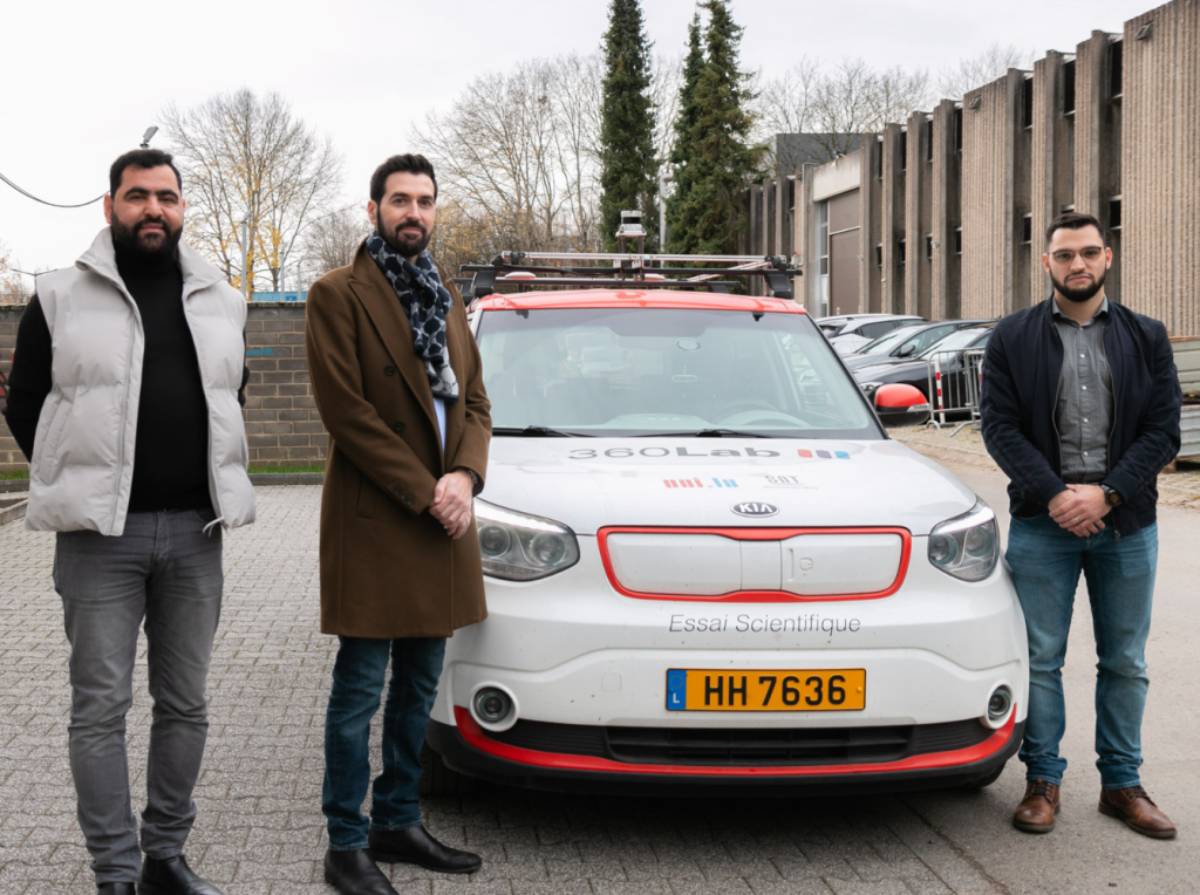
Luxembourg has taken another step toward intelligent transportation by showcasing a university-led autonomous vehicle (AV) project that demonstrates the practical potential of self-driving technology.

July 29, 2026
|

Luxembourg has taken another step toward intelligent transportation by showcasing a university-led autonomous vehicle (AV) project that demonstrates the practical potential of self-driving technology. The initiative highlights how academia, government, and industry are collaborating to accelerate innovation, strengthen mobility research, and prepare businesses and policymakers for the next phase of connected transportation.

The feature examines a firsthand experience inside an autonomous vehicle developed through a university research initiative in Luxembourg. The project demonstrates how AV technology can safely navigate controlled environments while collecting real-world operational data.

Researchers are testing advanced sensors, artificial intelligence, and machine-learning systems that enable vehicles to detect surroundings, respond to traffic conditions, and improve driving decisions over time. The initiative brings together academic institutions, technology partners, and public stakeholders to evaluate the readiness of autonomous mobility solutions. Beyond technical performance, the project explores regulatory frameworks, public acceptance, infrastructure requirements, and the broader economic opportunities associated with intelligent transportation systems.

Autonomous driving has become a strategic priority for governments and technology companies seeking safer, cleaner, and more efficient transport systems. Countries across Europe, North America, and Asia are investing heavily in artificial intelligence, sensor technologies, connected infrastructure, and vehicle automation as part of broader smart-city initiatives.

Luxembourg has positioned itself as a testbed for digital innovation by encouraging collaboration between universities, startups, established companies, and public authorities. The country's investments in digital infrastructure, mobility innovation, and research make it an attractive environment for emerging transportation technologies. Similar pilot projects worldwide have shown that autonomous vehicles could improve logistics, public transportation, accessibility, and road safety, although widespread deployment still depends on technological maturity, cybersecurity, legal frameworks, and public trust.

Industry experts view university-led pilot projects as essential stepping stones toward commercial autonomous transportation. Controlled testing environments allow researchers to validate AI models, improve vehicle decision-making, and identify operational challenges before large-scale deployment.

Technology specialists emphasize that autonomous mobility is not solely about replacing drivers but creating safer and more efficient transport ecosystems supported by real-time data, advanced connectivity, and intelligent infrastructure. Policymakers increasingly recognize that innovation must be balanced with robust safety standards, cybersecurity protections, and clear legal accountability.

Academic researchers involved in mobility innovation argue that partnerships between universities, governments, and private industry accelerate technological progress while preparing future engineers and AI specialists. Such collaborations also provide valuable insights for regulators developing future legislation governing autonomous transportation.

For businesses, autonomous vehicle development opens opportunities across software engineering, artificial intelligence, telecommunications, automotive technology, logistics, insurance, and smart infrastructure. Companies capable of providing sensors, cloud platforms, cybersecurity solutions, mapping technologies, and data analytics are likely to benefit as the market expands.

Investors continue monitoring autonomous mobility as a long-term growth sector despite ongoing technological and regulatory challenges. Governments, meanwhile, must establish comprehensive standards covering liability, data privacy, cybersecurity, public safety, and cross-border interoperability. For executives, early engagement with autonomous mobility ecosystems may offer strategic advantages as transportation increasingly becomes software-defined and AI-enabled.

Luxembourg's autonomous vehicle research reflects a broader European effort to transform mobility through artificial intelligence and digital innovation. Decision-makers will closely monitor future pilot results, regulatory developments, and public adoption as autonomous systems move toward wider deployment. Success will depend on continued investment, cross-sector collaboration, and the ability to build safe, trustworthy, and commercially viable transportation solutions that meet both societal and business needs.

Source: Silicon Luxembourg
Date:
July 2026

  • Featured tools
Upscayl AI
Free

Upscayl AI is a free, open-source AI-powered tool that enhances and upscales images to higher resolutions. It transforms blurry or low-quality visuals into sharp, detailed versions with ease.

#
Productivity
Learn more
Twistly AI
Paid

Twistly AI is a PowerPoint add-in that allows users to generate full slide decks, improve existing presentations, and convert various content types into polished slides directly within Microsoft PowerPoint.It streamlines presentation creation using AI-powered text analysis, image generation and content conversion.

#
Presentation
Learn more

Learn more about future of AI

Join 80,000+ Ai enthusiast getting weekly updates on exciting AI tools.
Thank you! Your submission has been received!
Oops! Something went wrong while submitting the form.

University AV Trial Advances Smart Mobility

July 29, 2026

Luxembourg has taken another step toward intelligent transportation by showcasing a university-led autonomous vehicle (AV) project that demonstrates the practical potential of self-driving technology.

Luxembourg has taken another step toward intelligent transportation by showcasing a university-led autonomous vehicle (AV) project that demonstrates the practical potential of self-driving technology. The initiative highlights how academia, government, and industry are collaborating to accelerate innovation, strengthen mobility research, and prepare businesses and policymakers for the next phase of connected transportation.

The feature examines a firsthand experience inside an autonomous vehicle developed through a university research initiative in Luxembourg. The project demonstrates how AV technology can safely navigate controlled environments while collecting real-world operational data.

Researchers are testing advanced sensors, artificial intelligence, and machine-learning systems that enable vehicles to detect surroundings, respond to traffic conditions, and improve driving decisions over time. The initiative brings together academic institutions, technology partners, and public stakeholders to evaluate the readiness of autonomous mobility solutions. Beyond technical performance, the project explores regulatory frameworks, public acceptance, infrastructure requirements, and the broader economic opportunities associated with intelligent transportation systems.

Autonomous driving has become a strategic priority for governments and technology companies seeking safer, cleaner, and more efficient transport systems. Countries across Europe, North America, and Asia are investing heavily in artificial intelligence, sensor technologies, connected infrastructure, and vehicle automation as part of broader smart-city initiatives.

Luxembourg has positioned itself as a testbed for digital innovation by encouraging collaboration between universities, startups, established companies, and public authorities. The country's investments in digital infrastructure, mobility innovation, and research make it an attractive environment for emerging transportation technologies. Similar pilot projects worldwide have shown that autonomous vehicles could improve logistics, public transportation, accessibility, and road safety, although widespread deployment still depends on technological maturity, cybersecurity, legal frameworks, and public trust.

Industry experts view university-led pilot projects as essential stepping stones toward commercial autonomous transportation. Controlled testing environments allow researchers to validate AI models, improve vehicle decision-making, and identify operational challenges before large-scale deployment.

Technology specialists emphasize that autonomous mobility is not solely about replacing drivers but creating safer and more efficient transport ecosystems supported by real-time data, advanced connectivity, and intelligent infrastructure. Policymakers increasingly recognize that innovation must be balanced with robust safety standards, cybersecurity protections, and clear legal accountability.

Academic researchers involved in mobility innovation argue that partnerships between universities, governments, and private industry accelerate technological progress while preparing future engineers and AI specialists. Such collaborations also provide valuable insights for regulators developing future legislation governing autonomous transportation.

For businesses, autonomous vehicle development opens opportunities across software engineering, artificial intelligence, telecommunications, automotive technology, logistics, insurance, and smart infrastructure. Companies capable of providing sensors, cloud platforms, cybersecurity solutions, mapping technologies, and data analytics are likely to benefit as the market expands.

Investors continue monitoring autonomous mobility as a long-term growth sector despite ongoing technological and regulatory challenges. Governments, meanwhile, must establish comprehensive standards covering liability, data privacy, cybersecurity, public safety, and cross-border interoperability. For executives, early engagement with autonomous mobility ecosystems may offer strategic advantages as transportation increasingly becomes software-defined and AI-enabled.

Luxembourg's autonomous vehicle research reflects a broader European effort to transform mobility through artificial intelligence and digital innovation. Decision-makers will closely monitor future pilot results, regulatory developments, and public adoption as autonomous systems move toward wider deployment. Success will depend on continued investment, cross-sector collaboration, and the ability to build safe, trustworthy, and commercially viable transportation solutions that meet both societal and business needs.

Source: Silicon Luxembourg
Date:
July 2026

Promote Your Tool

Copy Embed Code

Similar Blogs

July 31, 2026
|

Dodo MIDI Enhances Music Production Workflows

Dodo MIDI is part of the music technology ecosystem, focusing on MIDI-based tools that help users create, control, and manage digital musical compositions.
Read more
July 31, 2026
|

Polar Cloud Advances Secure Data Management

Polar Cloud is positioned within the cloud computing ecosystem, offering users technology solutions focused on managing and accessing digital resources through cloud-based environments.
Read more
July 31, 2026
|

Metastream Enhances Shared Digital Entertainment

Metastream is a digital platform designed to enable synchronized media playback, allowing multiple users to watch online content together from different locations.
Read more
July 31, 2026
|

Deep Realms Advances Immersive Digital Experiences

Deep Realms is positioned within the category of immersive digital experiences, offering users a platform focused on exploration, creativity, and interactive engagement.
Read more
July 31, 2026
|

Starbackpage Evolves Digital Marketplace Platforms

Starbackpage is part of the online classified marketplace category, where users can create listings, discover services, and interact through digital platforms.
Read more
July 31, 2026
|

Calyx VPN Strengthens Digital Privacy Security

Calyx VPN is a privacy-focused virtual private network solution designed to provide users with secure internet connections and enhanced online privacy.
Read more