



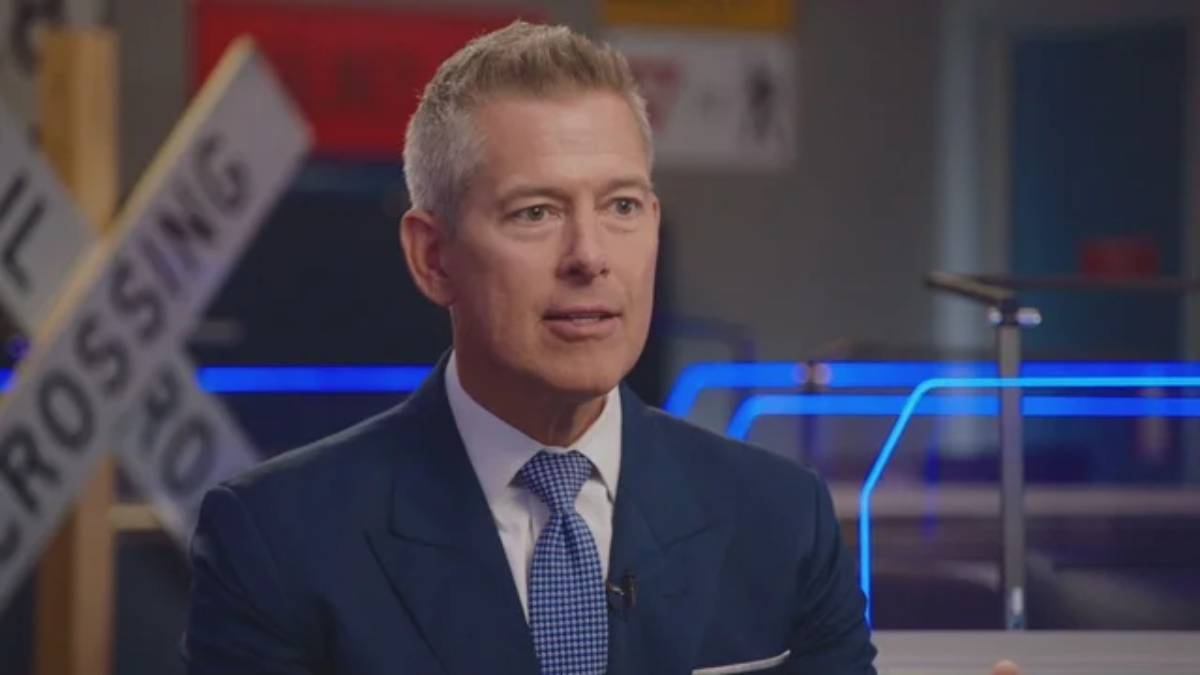
The U.S. Transportation leadership has pushed back against concerns that AI platforms will replace air traffic controllers, emphasizing that human oversight will remain central to aviation safety. The stance underscores a cautious AI framework approach in critical infrastructure, impacting airlines, technology providers, regulators, and global aviation stakeholders.
Sean Duffy stated that AI systems will not replace air traffic controllers, addressing growing concerns about automation in aviation. He emphasized that AI platforms will serve as support tools rather than substitutes for human decision-making.
The remarks come as aviation authorities explore integrating AI frameworks into air traffic management to improve efficiency, predictive analytics, and safety monitoring. Regulators are evaluating how AI can assist controllers with real-time data processing without compromising operational control.
The discussion reflects ongoing efforts to modernize aviation systems while maintaining strict safety standards, with stakeholders balancing innovation against risk in one of the world’s most regulated industries.
The aviation sector has long been cautious in adopting new technologies, given the high stakes associated with safety and reliability. While AI platforms are increasingly used in predictive maintenance, route optimization, and passenger management, their role in core operational control such as air traffic management remains limited.
Globally, regulators including the Federal Aviation Administration have been exploring AI frameworks to enhance system efficiency without removing human oversight. This aligns with broader trends across critical industries like healthcare and defense, where AI is deployed as an augmentation tool rather than a replacement.
Concerns about job displacement, system reliability, and ethical accountability have fueled debates about AI adoption. In aviation, these concerns are amplified by the need for fail-safe systems and clear lines of responsibility, making human-in-the-loop models the preferred approach.
Aviation and technology experts broadly support the position that AI platforms should augment, not replace, human controllers. Analysts argue that while AI frameworks can process vast amounts of data faster than humans, they lack the contextual judgment and adaptability required in complex, dynamic airspace environments.
Industry professionals highlight that air traffic control involves high-stakes decision-making under uncertainty, where human intuition and experience remain critical. Experts also note that integrating AI into aviation systems requires rigorous testing, certification, and regulatory approval processes.
Technology specialists emphasize that AI can enhance situational awareness, reduce workload, and improve efficiency, but should operate within clearly defined boundaries. There is also consensus that maintaining human accountability is essential for both safety and public trust in aviation systems.
For businesses, particularly aerospace and AI platform providers, the message is clear: innovation must align with safety-first regulatory frameworks. Companies developing AI solutions for aviation will need to focus on augmentation tools that enhance human performance rather than replace it.
Investors may interpret this as a signal that adoption of AI in critical infrastructure will be gradual, with long development and approval cycles. Airlines and aviation service providers will likely prioritize hybrid AI frameworks that improve efficiency while maintaining compliance. From a policy perspective, the stance reinforces the importance of human oversight in AI deployment, potentially shaping global regulatory standards for high-risk industries.
The integration of AI into aviation will continue, but within tightly controlled parameters that prioritize safety and accountability. Decision-makers should watch for pilot programs, regulatory updates, and technological advancements that enhance human-AI collaboration. The trajectory suggests that AI frameworks will play a growing supportive role, while human expertise remains indispensable in aviation operations.
Source: CBS News
Date: April 2026


