



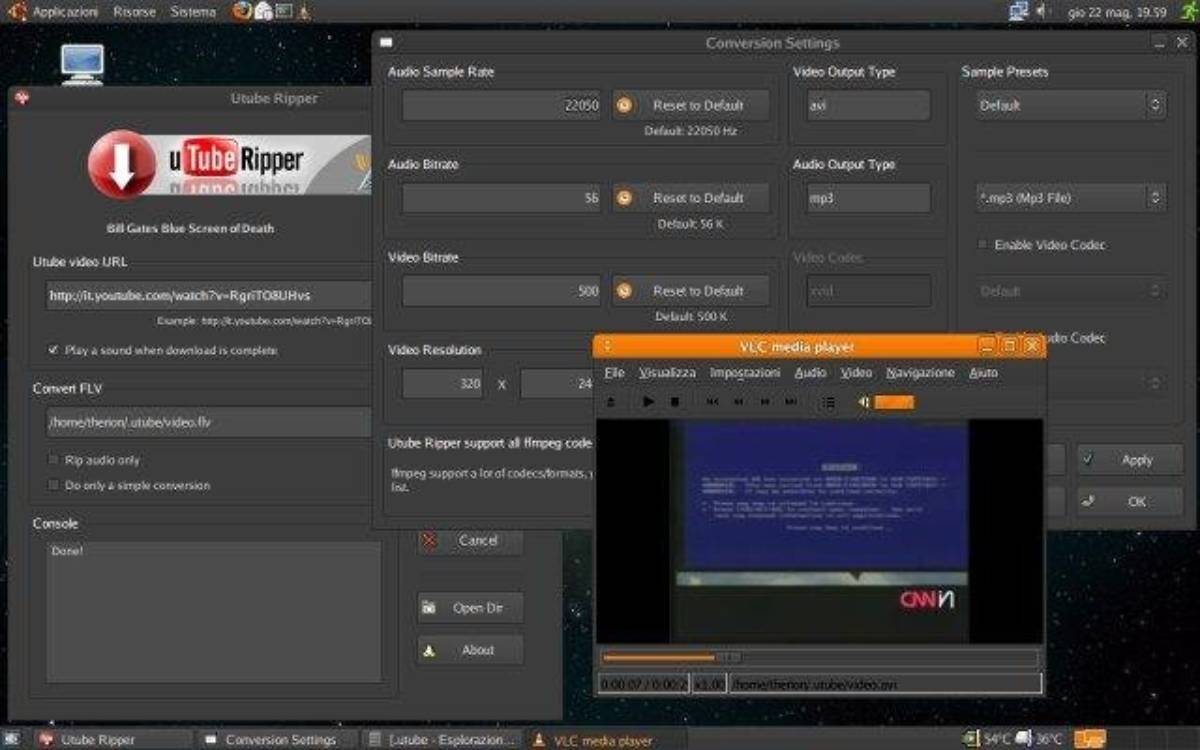
The evolution of online video tools highlights the growing demand for flexible digital content access and personal media management. Platforms such as Utube Ripper represent a broader shift toward user-controlled content workflows, reflecting changing habits around online video consumption, technology accessibility, and the relationship between streaming platforms and digital utility services.
Utube Ripper is a software tool designed to help users manage and process online video content through downloading and conversion capabilities. The platform belongs to a broader category of digital utilities focused on improving content accessibility and offline viewing experiences.
The growth of such tools reflects increasing consumer interest in flexible media management solutions. Key stakeholders include individual users, software developers, content platforms, and digital rights organizations. As online video consumption continues expanding globally, tools that interact with digital media ecosystems remain part of ongoing discussions around convenience, copyright protection, and responsible technology use.
The global video streaming industry has transformed how audiences consume entertainment, education, and information. While streaming services have become the dominant method of accessing digital content, demand continues for tools that provide additional flexibility, such as offline access and personal media organization.
Video utility software emerged alongside the growth of online platforms, offering users alternative ways to manage digital content. However, the sector has also faced increasing scrutiny regarding intellectual property rights, platform policies, and fair use considerations.
The development aligns with a broader technology trend where users seek greater control over their digital experiences. At the same time, content creators and streaming companies are strengthening protections around distribution and monetization. The future of video management tools will depend on balancing user convenience with ethical technology practices and respect for digital ownership frameworks.
Technology analysts note that digital media tools continue evolving as consumers demand more personalized control over their online experiences. Experts suggest that utility software remains attractive because it addresses practical user needs beyond the capabilities of mainstream platforms.
Industry observers emphasize that innovation in this space must consider legal and ethical responsibilities, particularly around copyrighted material and content distribution. Streaming companies continue investing in secure delivery systems and improved user experiences to reduce demand for unauthorized alternatives.
Analysts believe future video management solutions may focus more on legitimate offline access, personal media organization, and integration with approved digital ecosystems. Advances in cloud technology, artificial intelligence, and content management systems could reshape how users interact with online video while maintaining stronger compliance with industry standards.
For businesses, the growth of video utility tools highlights the importance of creating flexible, user-friendly digital experiences. Content companies may need to continue improving accessibility features, subscription options, and offline capabilities to meet consumer expectations.
Investors and technology firms should monitor developments in digital rights management, streaming innovation, and consumer behavior. Policymakers face the challenge of supporting technological innovation while protecting intellectual property and creative industries.
Consumers benefit from greater awareness of digital media options, but responsible usage remains essential. The future market will likely favor solutions that combine convenience, security, and compliance with evolving digital regulations.
The digital video ecosystem will continue changing as streaming, cloud technology, and artificial intelligence reshape content access. Decision-makers should monitor developments in legal digital tools, offline viewing solutions, and evolving copyright frameworks. Platforms that successfully balance user flexibility with responsible content management will be better positioned as global audiences continue demanding more personalized and accessible media experiences.
Source: AlternativeTo
Date: July 21, 2026


