
Vatican AI Debate Over Papal Commentary

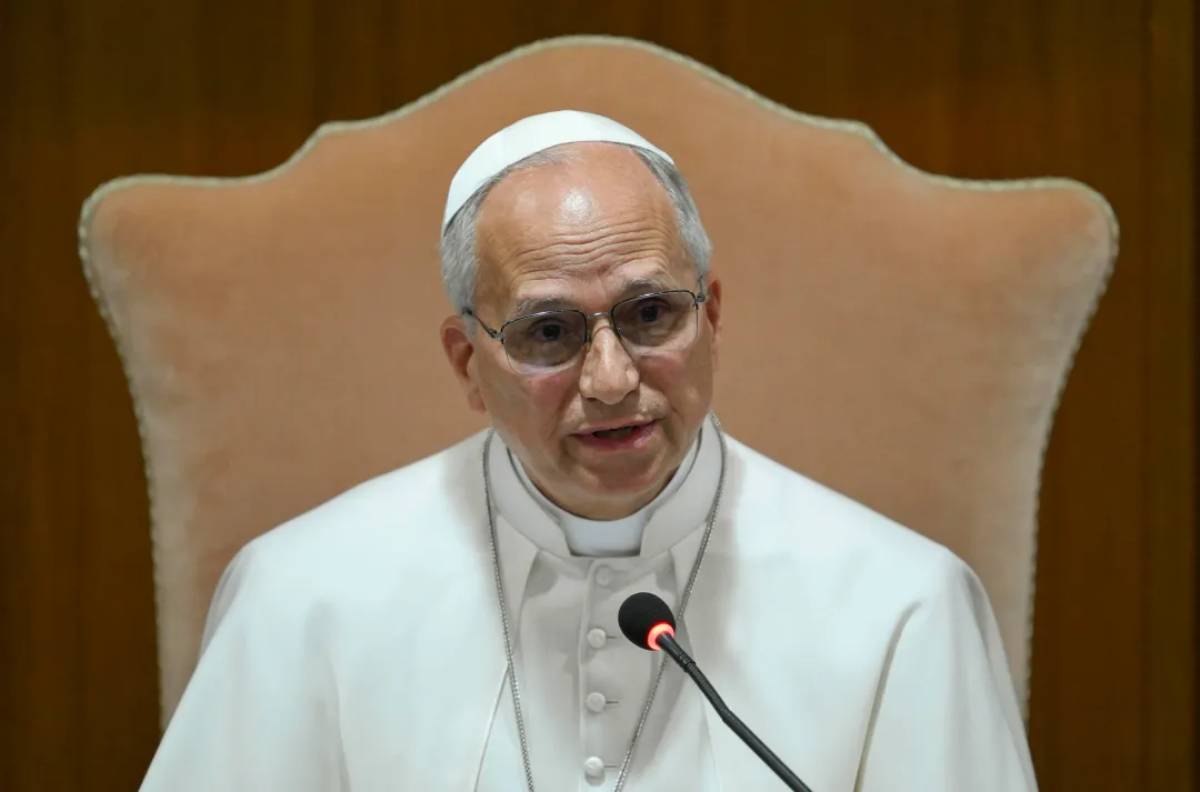
The controversy centers around a document associated with Pope Leo XIV and broader Vatican commentary addressing the societal implications of artificial intelligence.

May 27, 2026
|
Image Source: The Verge

A fresh debate surrounding artificial intelligence and institutional transparency has emerged after speculation that a Vatican-linked text discussing the risks of AI may itself have involved AI-assisted writing. The discussion has drawn attention to how governments, religious institutions, and global organizations are increasingly navigating the ethical and symbolic complexities of AI adoption.

The controversy centers around a document associated with Pope Leo XIV and broader Vatican commentary addressing the societal implications of artificial intelligence. Online observers and technology commentators questioned whether portions of the language structure or stylistic patterns resembled AI-generated text.

The debate gained traction after reporting highlighted linguistic cues and speculation regarding the use of AI tools in drafting or refining institutional messaging about AI ethics. While no formal confirmation has emerged regarding AI-assisted authorship, the incident has sparked wider conversations about transparency in AI usage, particularly among influential public institutions and moral authorities shaping global technology discourse.

The discussion reflects a broader global trend in which artificial intelligence is increasingly integrated into communication, policymaking, and institutional content generation. Governments, corporations, universities, and media organizations are already experimenting with AI-assisted drafting tools to improve efficiency and scalability.

The Vatican has historically played an influential role in ethical debates surrounding emerging technologies, including biotechnology, automation, and digital ethics. In recent years, religious and policy institutions alike have expanded engagement with AI governance issues, focusing on concerns related to misinformation, human dignity, labor displacement, and algorithmic accountability.

The controversy also underscores growing public sensitivity around disclosure standards. As generative AI systems become more sophisticated, distinguishing between human-authored and AI-assisted content is becoming increasingly difficult. This has amplified calls for clearer transparency frameworks, especially when institutions communicate on matters involving ethics, governance, or societal trust.

Technology ethicists suggest that the debate is less about whether AI was used and more about the evolving expectations around disclosure and authenticity. Analysts note that AI-assisted drafting is becoming increasingly normalized across industries, including law, academia, media, and government communications.

Experts argue that if institutions criticize or regulate AI while simultaneously relying on it internally, transparency becomes critical to maintaining credibility. Industry observers also point out that AI-generated stylistic patterns are increasingly difficult to verify conclusively, raising concerns about speculative accusations and unreliable detection methods.

While official Vatican clarification regarding the reported text remains limited, analysts suggest the incident highlights the growing tension between technological adoption and institutional legitimacy. The episode may ultimately reinforce broader discussions about ethical AI governance, disclosure norms, and the role of human oversight in influential public communications.

For corporations and public institutions, the debate reinforces the importance of clear AI usage policies and communication transparency. Organizations increasingly deploying AI-assisted writing tools may face rising pressure to disclose where automation has influenced official content.

For policymakers, the incident could intensify discussions around labeling standards for AI-generated material, particularly in sensitive domains such as education, governance, religion, and media. Investors and technology firms may also view the debate as evidence that AI adoption is moving beyond technical implementation into broader reputational and ethical territory.

The issue ultimately reflects a growing global challenge: balancing efficiency gains from AI with public trust and institutional accountability. Looking ahead, debates around AI-assisted authorship are expected to become more common as generative tools integrate deeper into institutional workflows. Decision-makers should monitor emerging standards around disclosure, authenticity verification, and ethical AI governance. Whether or not AI played a role in the Vatican-linked document, the controversy highlights a larger reality: the line between human and machine-assisted communication is becoming increasingly blurred across global institutions.

Source: The Verge
Date: May 26, 2026

  • Featured tools
Figstack AI
Free

Figstack AI is an intelligent assistant for developers that explains code, generates docstrings, converts code between languages, and analyzes time complexity helping you work smarter, not harder.

#
Coding
Learn more
Murf Ai
Free

Murf AI Review – Advanced AI Voice Generator for Realistic Voiceovers

#
Text to Speech
Learn more

Learn more about future of AI

Join 80,000+ Ai enthusiast getting weekly updates on exciting AI tools.
Thank you! Your submission has been received!
Oops! Something went wrong while submitting the form.

Vatican AI Debate Over Papal Commentary

May 27, 2026

The controversy centers around a document associated with Pope Leo XIV and broader Vatican commentary addressing the societal implications of artificial intelligence.

Image Source: The Verge

A fresh debate surrounding artificial intelligence and institutional transparency has emerged after speculation that a Vatican-linked text discussing the risks of AI may itself have involved AI-assisted writing. The discussion has drawn attention to how governments, religious institutions, and global organizations are increasingly navigating the ethical and symbolic complexities of AI adoption.

The controversy centers around a document associated with Pope Leo XIV and broader Vatican commentary addressing the societal implications of artificial intelligence. Online observers and technology commentators questioned whether portions of the language structure or stylistic patterns resembled AI-generated text.

The debate gained traction after reporting highlighted linguistic cues and speculation regarding the use of AI tools in drafting or refining institutional messaging about AI ethics. While no formal confirmation has emerged regarding AI-assisted authorship, the incident has sparked wider conversations about transparency in AI usage, particularly among influential public institutions and moral authorities shaping global technology discourse.

The discussion reflects a broader global trend in which artificial intelligence is increasingly integrated into communication, policymaking, and institutional content generation. Governments, corporations, universities, and media organizations are already experimenting with AI-assisted drafting tools to improve efficiency and scalability.

The Vatican has historically played an influential role in ethical debates surrounding emerging technologies, including biotechnology, automation, and digital ethics. In recent years, religious and policy institutions alike have expanded engagement with AI governance issues, focusing on concerns related to misinformation, human dignity, labor displacement, and algorithmic accountability.

The controversy also underscores growing public sensitivity around disclosure standards. As generative AI systems become more sophisticated, distinguishing between human-authored and AI-assisted content is becoming increasingly difficult. This has amplified calls for clearer transparency frameworks, especially when institutions communicate on matters involving ethics, governance, or societal trust.

Technology ethicists suggest that the debate is less about whether AI was used and more about the evolving expectations around disclosure and authenticity. Analysts note that AI-assisted drafting is becoming increasingly normalized across industries, including law, academia, media, and government communications.

Experts argue that if institutions criticize or regulate AI while simultaneously relying on it internally, transparency becomes critical to maintaining credibility. Industry observers also point out that AI-generated stylistic patterns are increasingly difficult to verify conclusively, raising concerns about speculative accusations and unreliable detection methods.

While official Vatican clarification regarding the reported text remains limited, analysts suggest the incident highlights the growing tension between technological adoption and institutional legitimacy. The episode may ultimately reinforce broader discussions about ethical AI governance, disclosure norms, and the role of human oversight in influential public communications.

For corporations and public institutions, the debate reinforces the importance of clear AI usage policies and communication transparency. Organizations increasingly deploying AI-assisted writing tools may face rising pressure to disclose where automation has influenced official content.

For policymakers, the incident could intensify discussions around labeling standards for AI-generated material, particularly in sensitive domains such as education, governance, religion, and media. Investors and technology firms may also view the debate as evidence that AI adoption is moving beyond technical implementation into broader reputational and ethical territory.

The issue ultimately reflects a growing global challenge: balancing efficiency gains from AI with public trust and institutional accountability. Looking ahead, debates around AI-assisted authorship are expected to become more common as generative tools integrate deeper into institutional workflows. Decision-makers should monitor emerging standards around disclosure, authenticity verification, and ethical AI governance. Whether or not AI played a role in the Vatican-linked document, the controversy highlights a larger reality: the line between human and machine-assisted communication is becoming increasingly blurred across global institutions.

Source: The Verge
Date: May 26, 2026

Promote Your Tool

Copy Embed Code

Similar Blogs

June 16, 2026
|

Best Revenue & Sales Enablement Consulting Services in USA

Revenue and sales enablement consulting firms play a crucial role in helping organizations build scalable growth engines. Whether the goal is improving sales execution, implementing revenue operations, optimizing technology platforms.
Read more
June 16, 2026
|

Best Sales Consulting Services in USA

The best sales consulting firms do more than improve sales performance they help organizations build scalable revenue engines that support long-term growth.
Read more
June 16, 2026
|

Best CRM Consulting Services in USA

A successful CRM implementation requires more than technology it requires the right strategy, processes, and expertise. The best CRM consulting firms help organizations align customer relationship management with broader business objectives.
Read more
June 16, 2026
|

Best Pricing Strategy Consulting Services in USA

Pricing strategy remains one of the highest-impact growth levers available to modern businesses. Whether you're launching a new product, optimizing an existing pricing structure.
Read more
June 16, 2026
|

Best GTM Consulting Services in USA

Go-to-market execution has become one of the most important drivers of business success. Organizations that effectively align product strategy, marketing, sales, customer success.
Read more
June 16, 2026
|

Best Revenue Management Consulting Services in USA

Revenue management has become a critical discipline for organizations seeking sustainable growth in increasingly competitive markets. Companies that effectively align pricing, sales, marketing, operations.
Read more