
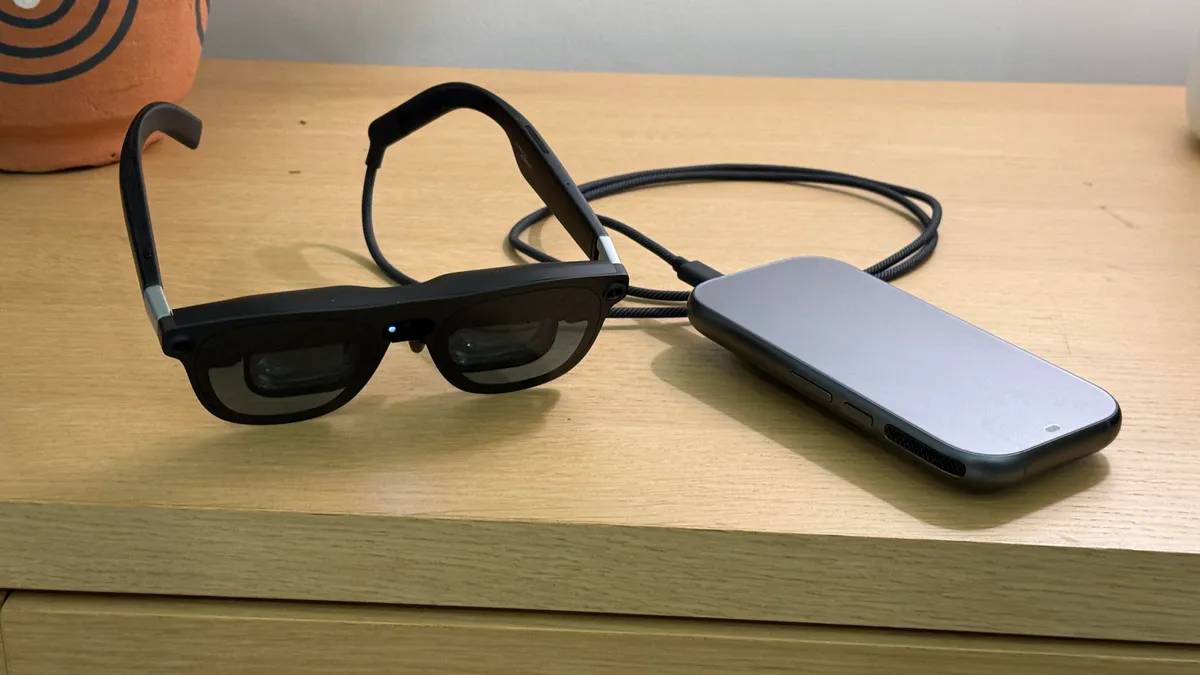
Xreal Launches Qualcomm Powered XR Glasses

The Aura glasses will be built on Qualcomm’s new Snapdragon XR architecture, designed specifically for high-performance augmented and mixed reality applications.

June 17, 2026
|
Image Source: CNET

Xreal is preparing to launch its new Aura AR glasses this fall, powered by Qualcomm’s latest XR-focused chip. The development marks a significant step in the competitive augmented reality space, as hardware makers accelerate efforts to deliver lightweight, AI-enabled spatial computing devices for consumers and enterprise users.

The Aura glasses will be built on Qualcomm’s new Snapdragon XR architecture, designed specifically for high-performance augmented and mixed reality applications. Xreal’s upcoming device aims to combine lightweight wearable design with advanced spatial computing capabilities.

The launch is expected in fall 2026, positioning it in a rapidly heating XR hardware cycle. The integration of a next-generation Qualcomm chip suggests improved processing for real-time rendering, AI inference, and low-latency display performance. Xreal is targeting both consumer entertainment and productivity use cases, indicating a broader push beyond gaming into mainstream wearable computing applications.

The XR (extended reality) sector is entering a competitive phase where hardware efficiency and AI integration are becoming key differentiators. Companies such as Meta, Apple, and Samsung are investing heavily in AR/VR ecosystems, while chipmakers like Qualcomm are positioning themselves as foundational enablers of spatial computing.

Xreal has emerged as one of the more agile players in the AR glasses segment, focusing on lightweight, screen-tethered experiences rather than fully immersive headsets. Qualcomm’s continued investment in XR-specific silicon reflects growing demand for on-device processing capable of handling AI-driven spatial environments.

The broader industry trend is shifting from isolated AR devices toward always-connected, AI-assisted visual computing systems that blend digital overlays with real-world contexts, particularly for enterprise and mobile productivity use cases.

Industry analysts view Xreal’s move as strategically aligned with the next wave of wearable computing, where AR glasses evolve from niche developer tools into mainstream productivity devices. The inclusion of Qualcomm’s latest XR chip is expected to significantly improve performance efficiency and reduce latency issues that have historically limited AR adoption.

Technology commentators note that success in this category will depend less on raw specifications and more on ecosystem integration, app support, and battery optimization. While consumer adoption of AR glasses remains limited, enterprise applications such as remote assistance, logistics, and training are seen as early growth drivers.

Experts also highlight that Qualcomm’s continued dominance in XR chipsets positions it as a critical infrastructure provider in the emerging spatial computing stack. For hardware manufacturers, the launch signals intensifying competition in the lightweight AR glasses segment, where differentiation is increasingly driven by silicon performance and software ecosystems rather than form factor alone.

For enterprises, Xreal’s device could expand adoption of AR-based workflows in field services, industrial training, and remote collaboration environments. From a policy standpoint, the proliferation of always-on visual computing devices raises new questions around environmental sensing, data capture, and public-space privacy. Regulators may need to consider updated frameworks for wearable AI devices as adoption scales beyond early adopters into consumer markets.

The success of Xreal’s Aura glasses will depend on execution in real-world usability, battery life, and developer ecosystem support. The next key milestone will be consumer and enterprise adoption rates following launch. If XR hardware continues to converge with AI acceleration, the market could shift toward persistent spatial computing interfaces, where glasses become a primary gateway to digital interaction rather than a supplementary device.

Source: CNET
Date: June 2026

  • Featured tools
Alli AI
Free

Alli AI is an all-in-one, AI-powered SEO automation platform that streamlines on-page optimization, site auditing, speed improvements, schema generation, internal linking, and ranking insights.

#
SEO
Learn more
Ai Fiesta
Paid

AI Fiesta is an all-in-one productivity platform that gives users access to multiple leading AI models through a single interface. It includes features like prompt enhancement, image generation, audio transcription and side-by-side model comparison.

#
Copywriting
#
Art Generator
Learn more

Learn more about future of AI

Join 80,000+ Ai enthusiast getting weekly updates on exciting AI tools.
Thank you! Your submission has been received!
Oops! Something went wrong while submitting the form.

Xreal Launches Qualcomm Powered XR Glasses

June 17, 2026

The Aura glasses will be built on Qualcomm’s new Snapdragon XR architecture, designed specifically for high-performance augmented and mixed reality applications.

Image Source: CNET

Xreal is preparing to launch its new Aura AR glasses this fall, powered by Qualcomm’s latest XR-focused chip. The development marks a significant step in the competitive augmented reality space, as hardware makers accelerate efforts to deliver lightweight, AI-enabled spatial computing devices for consumers and enterprise users.

The Aura glasses will be built on Qualcomm’s new Snapdragon XR architecture, designed specifically for high-performance augmented and mixed reality applications. Xreal’s upcoming device aims to combine lightweight wearable design with advanced spatial computing capabilities.

The launch is expected in fall 2026, positioning it in a rapidly heating XR hardware cycle. The integration of a next-generation Qualcomm chip suggests improved processing for real-time rendering, AI inference, and low-latency display performance. Xreal is targeting both consumer entertainment and productivity use cases, indicating a broader push beyond gaming into mainstream wearable computing applications.

The XR (extended reality) sector is entering a competitive phase where hardware efficiency and AI integration are becoming key differentiators. Companies such as Meta, Apple, and Samsung are investing heavily in AR/VR ecosystems, while chipmakers like Qualcomm are positioning themselves as foundational enablers of spatial computing.

Xreal has emerged as one of the more agile players in the AR glasses segment, focusing on lightweight, screen-tethered experiences rather than fully immersive headsets. Qualcomm’s continued investment in XR-specific silicon reflects growing demand for on-device processing capable of handling AI-driven spatial environments.

The broader industry trend is shifting from isolated AR devices toward always-connected, AI-assisted visual computing systems that blend digital overlays with real-world contexts, particularly for enterprise and mobile productivity use cases.

Industry analysts view Xreal’s move as strategically aligned with the next wave of wearable computing, where AR glasses evolve from niche developer tools into mainstream productivity devices. The inclusion of Qualcomm’s latest XR chip is expected to significantly improve performance efficiency and reduce latency issues that have historically limited AR adoption.

Technology commentators note that success in this category will depend less on raw specifications and more on ecosystem integration, app support, and battery optimization. While consumer adoption of AR glasses remains limited, enterprise applications such as remote assistance, logistics, and training are seen as early growth drivers.

Experts also highlight that Qualcomm’s continued dominance in XR chipsets positions it as a critical infrastructure provider in the emerging spatial computing stack. For hardware manufacturers, the launch signals intensifying competition in the lightweight AR glasses segment, where differentiation is increasingly driven by silicon performance and software ecosystems rather than form factor alone.

For enterprises, Xreal’s device could expand adoption of AR-based workflows in field services, industrial training, and remote collaboration environments. From a policy standpoint, the proliferation of always-on visual computing devices raises new questions around environmental sensing, data capture, and public-space privacy. Regulators may need to consider updated frameworks for wearable AI devices as adoption scales beyond early adopters into consumer markets.

The success of Xreal’s Aura glasses will depend on execution in real-world usability, battery life, and developer ecosystem support. The next key milestone will be consumer and enterprise adoption rates following launch. If XR hardware continues to converge with AI acceleration, the market could shift toward persistent spatial computing interfaces, where glasses become a primary gateway to digital interaction rather than a supplementary device.

Source: CNET
Date: June 2026

Promote Your Tool

Copy Embed Code

Similar Blogs

June 17, 2026
|

Apple Separates Legacy Devices From AI Era

Apple is expected to continue tying advanced AI features to its latest hardware generations, reinforcing a multi-tier ecosystem strategy. The next phase will likely focus on expanding AI capabilities.
Read more
June 17, 2026
|

Florida Sues TikTok Over Youth Safety

TikTok has faced increasing scrutiny across multiple U.S. states and federal agencies regarding youth safety, data privacy, and algorithmic content delivery.
Read more
June 17, 2026
|

Big Tech Intensifies AI Lobbying Push

Big Tech companies are reportedly increasing lobbying efforts as U.S. lawmakers consider stricter AI-related regulations, including provisions linked to child safety and algorithmic accountability.
Read more
June 17, 2026
|

Anthropic Faces Legal Scrutiny Over Claude Pricing Claims

The lawsuit claims Anthropic misrepresented or failed to clearly disclose usage restrictions associated with its Claude Max subscription tier, potentially affecting customer expectations around access and performance.
Read more
June 17, 2026
|

Mozilla Weighs Cautious AI Integration Strategy

Mozilla is expected to continue testing limited AI features while closely monitoring user response and competitive pressure.
Read more
June 17, 2026
|

Google Gemini 3.5 Enables Real Time Translation

For investors, the development reinforces the growing monetization potential of AI infrastructure embedded in productivity ecosystems rather than standalone apps.
Read more