
3D Printing Enters Mainstream Market Growth

Multiple 3D printing systems has identified a new generation of devices offering improved reliability, usability, and material flexibility across different user segments.

May 7, 2026
|
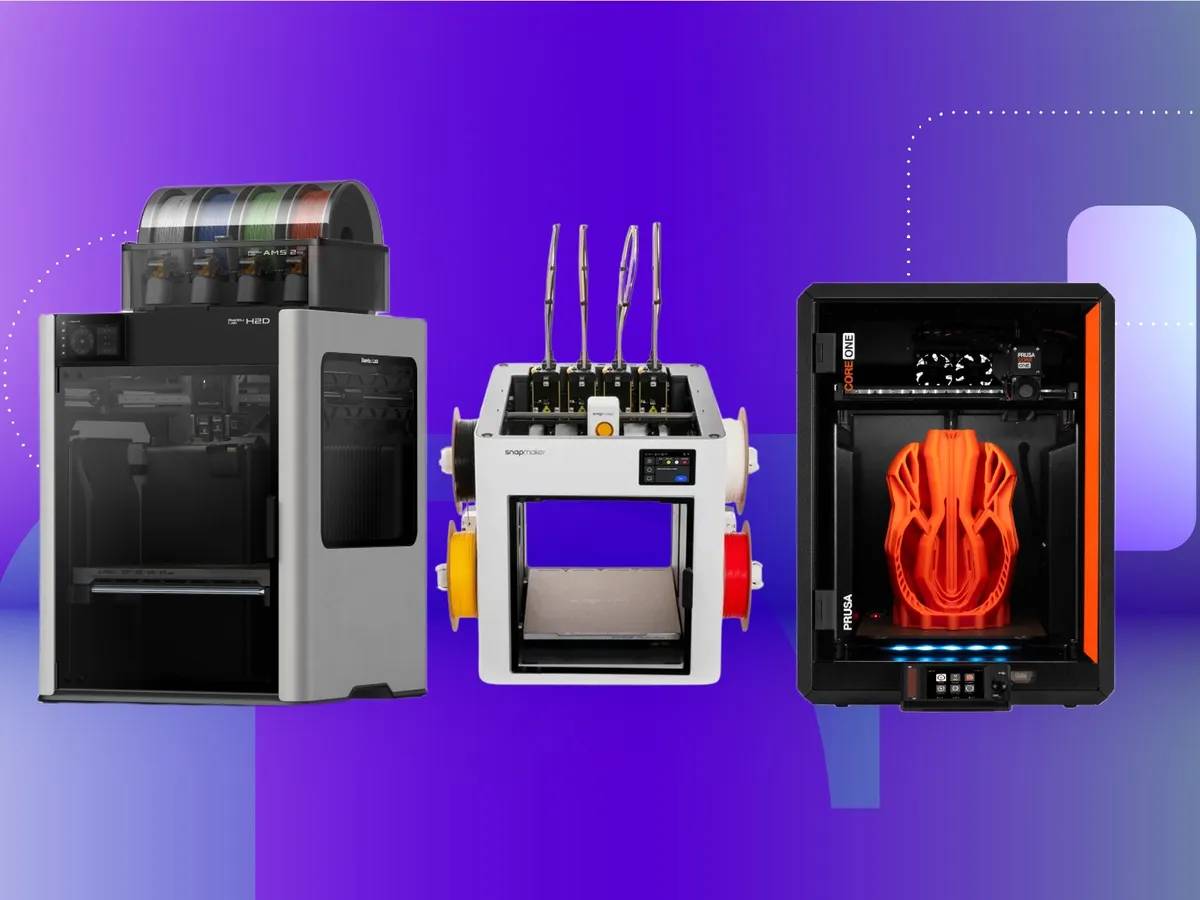
Image Source: CNET

A comprehensive evaluation of consumer and industrial additive manufacturing systems highlights the rapid maturation of the 3D printing sector, signaling a shift toward mainstream adoption across education, manufacturing, and professional design markets. The trend underscores growing global demand for accessible fabrication tools that bridge the gap between prototyping and production-scale applications.

Multiple 3D printing systems has identified a new generation of devices offering improved reliability, usability, and material flexibility across different user segments. The latest evaluation emphasizes a diversified market structure, where entry-level printers cater to hobbyists and educators, while advanced models target engineers, designers, and small manufacturing firms. Key improvements include enhanced print precision, faster production speeds, and broader compatibility with materials such as plastics, composites, and specialty resins.

Manufacturers are increasingly focusing on user experience, automation, and software integration, reducing the technical barriers that historically limited adoption. The market is also seeing stronger ecosystem development, including cloud-based design tools and remote monitoring capabilities.

The findings reflect a broader industry shift toward making additive manufacturing more accessible across both consumer and professional environments. The evolution of the 3D printing industry aligns with a broader transformation in global manufacturing, where digital fabrication technologies are moving from niche industrial applications to widespread commercial and educational use.

Over the past decade, additive manufacturing has expanded into sectors such as aerospace, automotive design, healthcare, architecture, and consumer product development. Initially constrained by high costs and technical complexity, the technology has gradually become more affordable and user-friendly, enabling broader adoption.

The current phase of market development is characterized by convergence between consumer-grade and industrial-grade systems. This shift is driven by improvements in hardware precision, material science, and software-driven automation.

From an economic perspective, 3D printing is increasingly viewed as a tool for decentralized manufacturing, enabling localized production, rapid prototyping, and supply chain resilience. This is particularly relevant in a global environment shaped by logistics disruptions and demand for flexible production systems.

Historically, major manufacturing transitions such as the rise of CNC machining and digital design systems have followed similar trajectories of gradual democratization followed by industrial scaling.

Industry analysts suggest that the 3D printing market is entering a consolidation phase where performance reliability and ease of use are becoming primary purchasing drivers. Experts note that earlier generations of printers often required technical expertise, limiting adoption beyond specialized users.

Manufacturing specialists highlight that improved automation and software integration are making modern 3D printers significantly more accessible to non-expert users. This is particularly important in education and small business environments, where ease of deployment is critical.

Technology observers argue that the convergence of consumer and industrial capabilities could accelerate innovation cycles, allowing faster iteration in product design and development processes.

Some analysts also point out that the expansion of desktop manufacturing tools may disrupt traditional supply chains by enabling localized production models, reducing dependency on centralized manufacturing hubs.

However, experts caution that challenges remain in terms of material limitations, long-term durability, and standardization across platforms, which may influence broader industrial adoption rates.

For businesses, the advancement of 3D printing technology opens opportunities for rapid prototyping, cost-efficient product development, and localized manufacturing strategies. Small and medium enterprises may particularly benefit from reduced production barriers.

Investors tracking industrial technology and hardware sectors may view the maturation of additive manufacturing as a long-term structural growth trend, especially as adoption expands beyond niche applications.

For policymakers, the rise of decentralized manufacturing introduces regulatory considerations around product safety standards, intellectual property protection, and export controls for advanced fabrication technologies.

Consumers and educational institutions stand to benefit from increased access to creative manufacturing tools, enabling new forms of learning, design experimentation, and entrepreneurship.

Attention will now focus on whether 3D printing systems can achieve full industrial-scale integration while maintaining affordability and ease of use. Key uncertainties include material innovation, regulatory standardization, and continued improvements in production speed.

For global manufacturers and technology leaders, the trajectory is clear: additive manufacturing is transitioning from a specialized toolset into a foundational component of modern production ecosystems.

Source: CNET
Date: May 7, 2026

  • Featured tools
Kreateable AI
Free

Kreateable AI is a white-label, AI-driven design platform that enables logo generation, social media posts, ads, and more for businesses, agencies, and service providers.

#
Logo Generator
Learn more
Neuron AI
Free

Neuron AI is an AI-driven content optimization platform that helps creators produce SEO-friendly content by combining semantic SEO, competitor analysis, and AI-assisted writing workflows.

#
SEO
Learn more

Learn more about future of AI

Join 80,000+ Ai enthusiast getting weekly updates on exciting AI tools.
Thank you! Your submission has been received!
Oops! Something went wrong while submitting the form.

3D Printing Enters Mainstream Market Growth

May 7, 2026

Multiple 3D printing systems has identified a new generation of devices offering improved reliability, usability, and material flexibility across different user segments.

Image Source: CNET

A comprehensive evaluation of consumer and industrial additive manufacturing systems highlights the rapid maturation of the 3D printing sector, signaling a shift toward mainstream adoption across education, manufacturing, and professional design markets. The trend underscores growing global demand for accessible fabrication tools that bridge the gap between prototyping and production-scale applications.

Multiple 3D printing systems has identified a new generation of devices offering improved reliability, usability, and material flexibility across different user segments. The latest evaluation emphasizes a diversified market structure, where entry-level printers cater to hobbyists and educators, while advanced models target engineers, designers, and small manufacturing firms. Key improvements include enhanced print precision, faster production speeds, and broader compatibility with materials such as plastics, composites, and specialty resins.

Manufacturers are increasingly focusing on user experience, automation, and software integration, reducing the technical barriers that historically limited adoption. The market is also seeing stronger ecosystem development, including cloud-based design tools and remote monitoring capabilities.

The findings reflect a broader industry shift toward making additive manufacturing more accessible across both consumer and professional environments. The evolution of the 3D printing industry aligns with a broader transformation in global manufacturing, where digital fabrication technologies are moving from niche industrial applications to widespread commercial and educational use.

Over the past decade, additive manufacturing has expanded into sectors such as aerospace, automotive design, healthcare, architecture, and consumer product development. Initially constrained by high costs and technical complexity, the technology has gradually become more affordable and user-friendly, enabling broader adoption.

The current phase of market development is characterized by convergence between consumer-grade and industrial-grade systems. This shift is driven by improvements in hardware precision, material science, and software-driven automation.

From an economic perspective, 3D printing is increasingly viewed as a tool for decentralized manufacturing, enabling localized production, rapid prototyping, and supply chain resilience. This is particularly relevant in a global environment shaped by logistics disruptions and demand for flexible production systems.

Historically, major manufacturing transitions such as the rise of CNC machining and digital design systems have followed similar trajectories of gradual democratization followed by industrial scaling.

Industry analysts suggest that the 3D printing market is entering a consolidation phase where performance reliability and ease of use are becoming primary purchasing drivers. Experts note that earlier generations of printers often required technical expertise, limiting adoption beyond specialized users.

Manufacturing specialists highlight that improved automation and software integration are making modern 3D printers significantly more accessible to non-expert users. This is particularly important in education and small business environments, where ease of deployment is critical.

Technology observers argue that the convergence of consumer and industrial capabilities could accelerate innovation cycles, allowing faster iteration in product design and development processes.

Some analysts also point out that the expansion of desktop manufacturing tools may disrupt traditional supply chains by enabling localized production models, reducing dependency on centralized manufacturing hubs.

However, experts caution that challenges remain in terms of material limitations, long-term durability, and standardization across platforms, which may influence broader industrial adoption rates.

For businesses, the advancement of 3D printing technology opens opportunities for rapid prototyping, cost-efficient product development, and localized manufacturing strategies. Small and medium enterprises may particularly benefit from reduced production barriers.

Investors tracking industrial technology and hardware sectors may view the maturation of additive manufacturing as a long-term structural growth trend, especially as adoption expands beyond niche applications.

For policymakers, the rise of decentralized manufacturing introduces regulatory considerations around product safety standards, intellectual property protection, and export controls for advanced fabrication technologies.

Consumers and educational institutions stand to benefit from increased access to creative manufacturing tools, enabling new forms of learning, design experimentation, and entrepreneurship.

Attention will now focus on whether 3D printing systems can achieve full industrial-scale integration while maintaining affordability and ease of use. Key uncertainties include material innovation, regulatory standardization, and continued improvements in production speed.

For global manufacturers and technology leaders, the trajectory is clear: additive manufacturing is transitioning from a specialized toolset into a foundational component of modern production ecosystems.

Source: CNET
Date: May 7, 2026

Promote Your Tool

Copy Embed Code

Similar Blogs

May 7, 2026
|

3D Printing Enters Mainstream Market Growth

Multiple 3D printing systems has identified a new generation of devices offering improved reliability, usability, and material flexibility across different user segments.
Read more
May 7, 2026
|

OpenAI Leadership Faces Trust Crisis Court

OpenAI Chief Technology Officer Mira Murati expressed doubts about the reliability of statements made by CEO Sam Altman during internal and external communications.
Read more
May 7, 2026
|

Google Ends Project Mariner AI Shift

The restructuring highlights a growing emphasis on efficiency, product readiness, and alignment with enterprise-scale deployment strategies.
Read more
May 7, 2026
|

DeepMind Advances AI Through Virtual Worlds

Google DeepMind plans to use the highly complex multiplayer universe of EVE Online as a training environment for advanced AI models.
Read more
May 7, 2026
|

AI Robot Pets Expand Home Market

Inventor behind early robotic home automation systems is now focusing on creating AI-driven robotic pets intended for everyday consumer use.
Read more
May 7, 2026
|

Digital Paper Tablets Redefine Productivity Tech

A new generation of paper-like digital tablets, including a device from reMarkable, which is being recognized for its writing, sketching, and productivity-focused experience.
Read more