



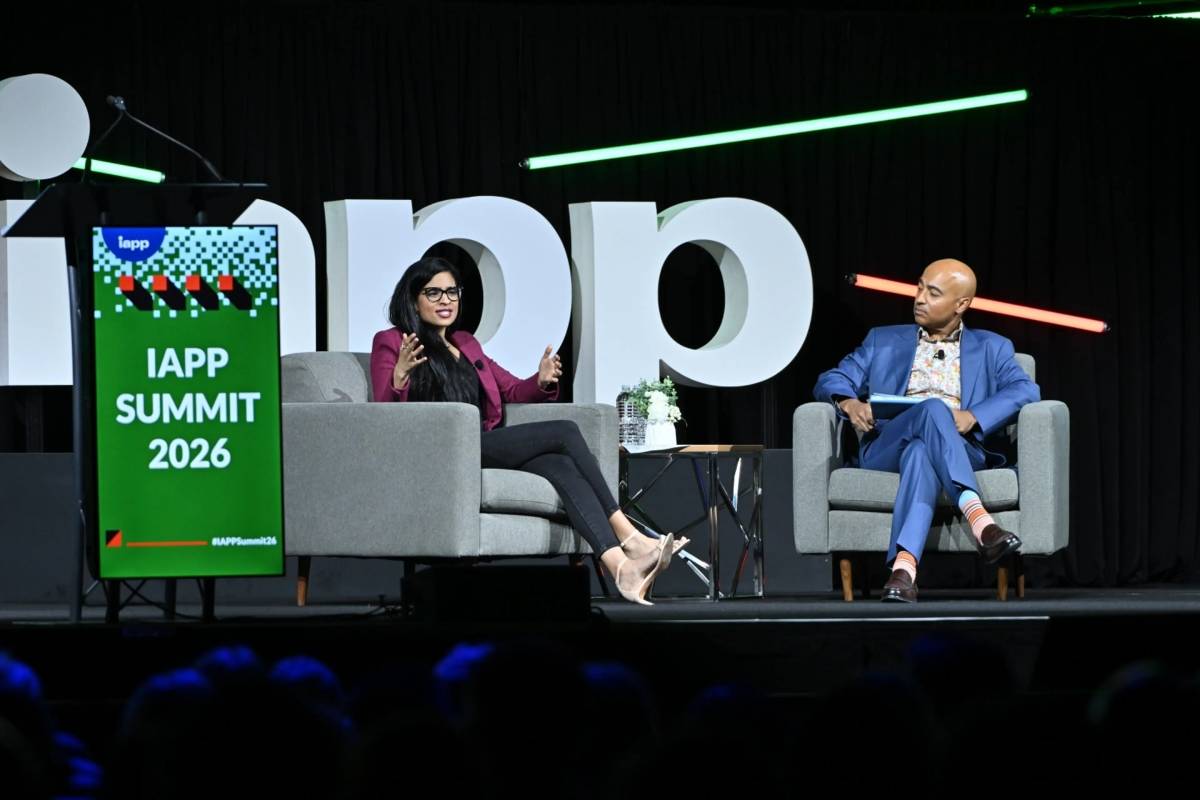
A major development unfolded as the International Association of Privacy Professionals formally integrated AI governance into its Global Summit agenda, marking a pivotal shift in how organizations approach artificial intelligence oversight. The move underscores rising global urgency around responsible AI, with implications for regulators, enterprises, and technology leaders worldwide.
- The International Association of Privacy Professionals incorporated AI governance as a central theme at its Global Summit.
- Discussions focused on frameworks for responsible AI deployment, risk management, and compliance.
- Key stakeholders included policymakers, corporate leaders, legal experts, and technology professionals.
- The initiative reflects growing demand for structured governance in AI adoption.
- Topics covered include data privacy, algorithmic accountability, and regulatory alignment.
- The summit highlighted the intersection of AI governance with existing privacy and compliance frameworks.
- The move signals that AI oversight is becoming a core priority for global enterprises and institutions.
The integration of AI governance into major global forums like the International Association of Privacy Professionals Global Summit reflects a broader shift toward institutionalizing responsible AI practices. As artificial intelligence becomes central to business operations and public services, the need for robust governance frameworks has intensified.
This development aligns with a broader trend across global markets where governments and organizations are prioritizing AI regulation and ethical standards. Initiatives such as the European Union’s AI Act and similar policies worldwide highlight the increasing focus on accountability and transparency.
Historically, technology adoption has often outpaced regulation, leading to gaps in oversight. The current wave of AI innovation is prompting a more proactive approach, with stakeholders seeking to balance innovation with risk management. The growing prominence of AI governance signals its transition from a niche concern to a mainstream business imperative.
Experts view the move by the International Association of Privacy Professionals as a critical milestone in the evolution of AI governance. “AI is no longer just a technical issue it is a governance challenge that spans legal, ethical, and operational domains,” noted a policy analyst.
Industry leaders emphasize that integrating AI governance into established privacy frameworks can help organizations manage risks more effectively. The discussions at the summit highlighted the need for standardized approaches to auditing AI systems and ensuring transparency.
However, experts caution that achieving global alignment remains a challenge, given differing regulatory approaches across regions. They stress the importance of collaboration between governments, industry, and civil society to develop cohesive frameworks. As AI adoption accelerates, governance will play a defining role in shaping its impact on society and the economy.
For global executives, the elevation of AI governance signals the need to embed compliance and ethical considerations into core business strategies. Companies may need to invest in governance frameworks, risk management systems, and cross-functional expertise.
Investors are likely to increasingly evaluate organizations based on their ability to manage AI-related risks and comply with emerging regulations. Strong governance practices could become a competitive advantage.
From a policy perspective, the move underscores the growing importance of international coordination in AI regulation. Governments may accelerate efforts to establish clear guidelines, ensuring that innovation proceeds alongside accountability and public trust.
Decision-makers should monitor evolving AI governance standards, regulatory developments, and industry best practices. Future initiatives may focus on harmonizing global frameworks and developing tools for auditing and compliance.
Key uncertainties include regulatory fragmentation, enforcement mechanisms, and the pace of technological change. As AI continues to expand across sectors, effective governance will be essential to unlocking its full potential while mitigating risks.
Source: International Association of Privacy Professionals
Date: April 9, 2026


