



A widening debate is unfolding in global labor markets as leading economists challenge the narrative that artificial intelligence is currently driving widespread job losses, even as corporate executives increasingly cite AI as a factor in workforce reductions. The divergence in perspectives is intensifying scrutiny over how AI’s impact on employment is measured, communicated, and interpreted across industries. The issue carries significant implications for labor policy, corporate transparency, and investor confidence in the evolving technology-driven economy.
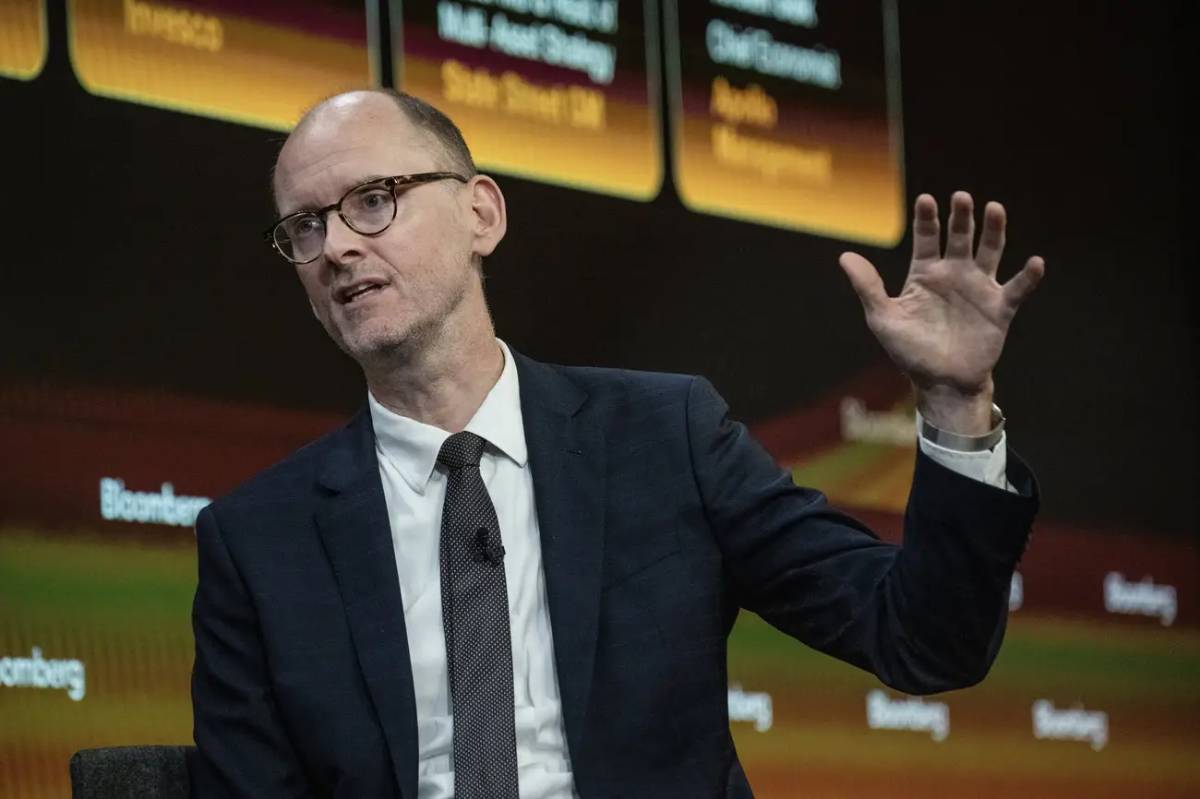
The chief economist at Apollo Global Management has stated that there is currently “zero evidence” of AI-driven job losses at a macroeconomic level, despite growing corporate references to artificial intelligence in layoff announcements. The assertion contrasts with statements from several technology and digital firms that have linked restructuring efforts to AI-enabled efficiency gains.
Recent layoffs across the technology sector have been partially attributed by executives to automation, machine learning adoption, and productivity improvements. However, economic data cited by analysts suggests that overall employment trends do not yet reflect a clear structural decline directly tied to AI implementation.
The discrepancy has fueled debate over whether AI is a primary driver of workforce reduction or a convenient explanatory framework for broader cost-cutting and post-pandemic labor market adjustments.
The development aligns with a broader trend across global markets where technological disruption narratives often emerge alongside periods of corporate restructuring and economic recalibration. Historically, major waves of automation from industrial robotics to enterprise software have been associated with fears of mass job displacement that were not always immediately reflected in aggregate employment data.
Since the rapid acceleration of generative AI adoption in 2022, companies have increasingly integrated AI tools into workflows spanning customer service, software development, marketing, and operations. This has coincided with widespread layoffs in the technology sector, following a period of aggressive hiring during the pandemic-era digital expansion.
Economists note that employment cycles are influenced by multiple overlapping factors, including interest rate changes, profitability pressures, demand normalization, and strategic realignment. As a result, isolating AI as a singular cause of job losses remains methodologically complex. The debate also reflects a broader historical pattern in which emerging technologies are initially perceived as labor-displacing before their full economic impact is realized over longer time horizons.
Economic analysts emphasize that while AI is clearly reshaping job functions, there is limited macroeconomic evidence to suggest it is currently driving net job destruction at scale. Instead, many suggest that AI’s impact is more visible in task automation and role transformation rather than outright employment elimination.
The Apollo chief economist’s position reinforces the view that labor market softness in certain sectors may be driven more by cyclical and financial factors than by technological displacement alone. This includes post-pandemic hiring corrections and cost optimization strategies across large corporations.
At the same time, corporate executives continue to highlight AI as a key driver of operational efficiency and restructuring decisions. Some firms argue that AI adoption enables leaner organizational structures, particularly in administrative, support, and repetitive workflow functions.
Labor market researchers caution that while aggregate data may not yet show significant displacement, localized impacts in specific job categories could become more pronounced as AI systems mature and adoption deepens across industries.
For global executives, the divergence between economic data and corporate messaging underscores the importance of transparent communication around workforce strategy. Misalignment between perceived and actual drivers of layoffs could affect employee trust and stakeholder confidence.
Investors are likely to scrutinize whether AI-related restructuring claims are supported by measurable productivity gains and financial outcomes. This may influence valuation assessments, particularly in technology and service-based industries.
For policymakers, the debate highlights the need for clearer frameworks to track technology-driven labor changes and distinguish them from cyclical economic adjustments. This could shape future reporting standards and labor market analytics. Consumers and workers may face continued uncertainty regarding AI’s true impact on job security, particularly as automation expands into more knowledge-based roles.
The next phase of the debate will likely focus on more granular labor market data to assess AI’s actual impact on specific job categories and industries. Decision-makers should monitor employment statistics, corporate productivity metrics, and sector-specific workforce trends.
The central uncertainty remains whether AI will ultimately emerge as a net job destroyer, a job transformer, or a productivity enhancer with limited direct employment impact in the near term.
Source: Business Insider
Date: May 2026


