
AI Security Surge Boosts Enterprise Demand

The CEO of Palo Alto Networks stated that the company has seen a significant surge in customer engagement, with a growing number of enterprises seeking discussions around AI-driven security threats.

June 3, 2026
|
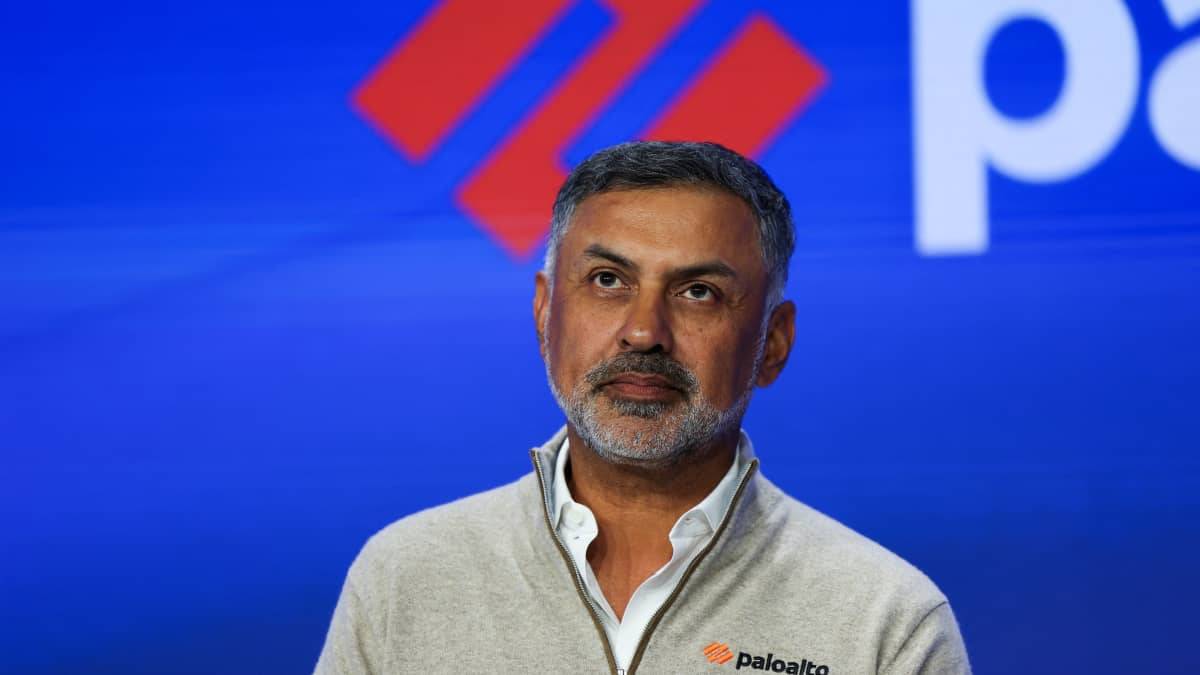
Image Source: CNBC - The CEO of Palo Alto

A major shift is unfolding in the cybersecurity landscape as Palo Alto Networks reports a sharp increase in customer meeting requests driven by rising concerns over artificial intelligence-related security risks. The development highlights how AI expansion is not only transforming enterprise productivity but also intensifying demand for advanced cybersecurity solutions across global organizations.

The CEO of Palo Alto Networks stated that the company has seen a significant surge in customer engagement, with a growing number of enterprises seeking discussions around AI-driven security threats, infrastructure protection, and risk management strategies.

This increase in demand reflects heightened awareness among organizations about vulnerabilities introduced by rapid AI adoption, including data exposure, model manipulation, and integration risks across cloud and enterprise systems.

The company noted that clients across industries are prioritizing cybersecurity investments as they scale AI deployments, particularly in sectors handling sensitive data and critical infrastructure. The trend indicates a broader acceleration in cybersecurity-related procurement cycles as enterprises attempt to secure their expanding digital and AI ecosystems.

The development aligns with a broader trend across global markets where artificial intelligence adoption is creating both productivity gains and new security challenges. As organizations integrate AI into core business functions, they are also expanding their attack surface, increasing exposure to cyber threats.

Cybersecurity has become a central concern for enterprises undergoing digital transformation. The shift toward cloud computing, remote work infrastructure, and AI-powered systems has significantly increased the complexity of securing corporate environments.

Historically, cybersecurity demand has tended to rise in response to technological inflection points. The current AI cycle is proving no different, with organizations now facing threats ranging from AI-assisted phishing attacks to adversarial manipulation of machine learning models.

Geopolitical tensions and the rise of state-sponsored cyber activity have further intensified the need for robust digital defense systems. As AI becomes embedded in critical infrastructure, concerns about national security and economic stability are also driving increased investment in cybersecurity solutions.

Industry analysts view the surge in customer engagement as a clear indicator that AI security risks are becoming a top-tier enterprise priority. Experts note that organizations are moving beyond experimental AI adoption toward structured governance and protection frameworks.

Cybersecurity strategists emphasize that AI introduces a dual challenge: it strengthens defensive capabilities while simultaneously enabling more sophisticated attack vectors. This dynamic is forcing companies to rethink traditional security architectures.

Market observers highlight that increased executive-level engagement signals a shift in corporate governance, where cybersecurity is now being treated as a board-level strategic issue rather than a purely technical concern.

Some analysts suggest that cybersecurity vendors may benefit from a prolonged growth cycle as enterprises continue to scale AI adoption across cloud, SaaS, and hybrid environments.

For businesses, the rise in AI-related security concerns underscores the need to integrate cybersecurity planning into AI strategy from the outset. Organizations may need to invest in advanced threat detection, identity protection, and AI governance frameworks.

Investors are likely to view cybersecurity firms as key beneficiaries of the AI expansion cycle, with sustained demand expected for security platforms that can protect complex, distributed AI systems.

For policymakers, the trend raises important questions about digital infrastructure resilience, data protection standards, and national cybersecurity readiness in the age of AI. For corporate leaders, cybersecurity is increasingly becoming a foundational requirement for AI deployment rather than a secondary consideration.

Decision-makers should monitor enterprise cybersecurity spending trends, regulatory developments, and the evolution of AI-specific threat landscapes. The demand for security solutions is expected to grow in parallel with AI adoption across industries.

As organizations scale AI systems, the next phase of enterprise technology transformation will likely be defined by the balance between innovation and security. Companies that successfully integrate both will be better positioned for long-term resilience and competitive advantage.

Source: CNBC
Date:
June 2026

  • Featured tools
Murf Ai
Free

Murf AI Review – Advanced AI Voice Generator for Realistic Voiceovers

#
Text to Speech
Learn more
Kreateable AI
Free

Kreateable AI is a white-label, AI-driven design platform that enables logo generation, social media posts, ads, and more for businesses, agencies, and service providers.

#
Logo Generator
Learn more

Learn more about future of AI

Join 80,000+ Ai enthusiast getting weekly updates on exciting AI tools.
Thank you! Your submission has been received!
Oops! Something went wrong while submitting the form.

AI Security Surge Boosts Enterprise Demand

June 3, 2026

The CEO of Palo Alto Networks stated that the company has seen a significant surge in customer engagement, with a growing number of enterprises seeking discussions around AI-driven security threats.

Image Source: CNBC - The CEO of Palo Alto

A major shift is unfolding in the cybersecurity landscape as Palo Alto Networks reports a sharp increase in customer meeting requests driven by rising concerns over artificial intelligence-related security risks. The development highlights how AI expansion is not only transforming enterprise productivity but also intensifying demand for advanced cybersecurity solutions across global organizations.

The CEO of Palo Alto Networks stated that the company has seen a significant surge in customer engagement, with a growing number of enterprises seeking discussions around AI-driven security threats, infrastructure protection, and risk management strategies.

This increase in demand reflects heightened awareness among organizations about vulnerabilities introduced by rapid AI adoption, including data exposure, model manipulation, and integration risks across cloud and enterprise systems.

The company noted that clients across industries are prioritizing cybersecurity investments as they scale AI deployments, particularly in sectors handling sensitive data and critical infrastructure. The trend indicates a broader acceleration in cybersecurity-related procurement cycles as enterprises attempt to secure their expanding digital and AI ecosystems.

The development aligns with a broader trend across global markets where artificial intelligence adoption is creating both productivity gains and new security challenges. As organizations integrate AI into core business functions, they are also expanding their attack surface, increasing exposure to cyber threats.

Cybersecurity has become a central concern for enterprises undergoing digital transformation. The shift toward cloud computing, remote work infrastructure, and AI-powered systems has significantly increased the complexity of securing corporate environments.

Historically, cybersecurity demand has tended to rise in response to technological inflection points. The current AI cycle is proving no different, with organizations now facing threats ranging from AI-assisted phishing attacks to adversarial manipulation of machine learning models.

Geopolitical tensions and the rise of state-sponsored cyber activity have further intensified the need for robust digital defense systems. As AI becomes embedded in critical infrastructure, concerns about national security and economic stability are also driving increased investment in cybersecurity solutions.

Industry analysts view the surge in customer engagement as a clear indicator that AI security risks are becoming a top-tier enterprise priority. Experts note that organizations are moving beyond experimental AI adoption toward structured governance and protection frameworks.

Cybersecurity strategists emphasize that AI introduces a dual challenge: it strengthens defensive capabilities while simultaneously enabling more sophisticated attack vectors. This dynamic is forcing companies to rethink traditional security architectures.

Market observers highlight that increased executive-level engagement signals a shift in corporate governance, where cybersecurity is now being treated as a board-level strategic issue rather than a purely technical concern.

Some analysts suggest that cybersecurity vendors may benefit from a prolonged growth cycle as enterprises continue to scale AI adoption across cloud, SaaS, and hybrid environments.

For businesses, the rise in AI-related security concerns underscores the need to integrate cybersecurity planning into AI strategy from the outset. Organizations may need to invest in advanced threat detection, identity protection, and AI governance frameworks.

Investors are likely to view cybersecurity firms as key beneficiaries of the AI expansion cycle, with sustained demand expected for security platforms that can protect complex, distributed AI systems.

For policymakers, the trend raises important questions about digital infrastructure resilience, data protection standards, and national cybersecurity readiness in the age of AI. For corporate leaders, cybersecurity is increasingly becoming a foundational requirement for AI deployment rather than a secondary consideration.

Decision-makers should monitor enterprise cybersecurity spending trends, regulatory developments, and the evolution of AI-specific threat landscapes. The demand for security solutions is expected to grow in parallel with AI adoption across industries.

As organizations scale AI systems, the next phase of enterprise technology transformation will likely be defined by the balance between innovation and security. Companies that successfully integrate both will be better positioned for long-term resilience and competitive advantage.

Source: CNBC
Date:
June 2026

Promote Your Tool

Copy Embed Code

Similar Blogs

June 9, 2026
|

OpenAI Files Confidential SEC IPO Plan

OpenAI announced that it has confidentially submitted a draft S-1 filing to the U.S. Securities and Exchange Commission (SEC), a key procedural step typically associated with preparations for an initial public offering.
Read more
June 9, 2026
|

AI Disruption Hits Private Equity Deals

Private equity technology deal values have reportedly fallen by approximately 70%, reflecting heightened investor caution toward companies perceived as vulnerable to artificial intelligence disruption.
Read more
June 9, 2026
|

NVIDIA LG Launch Physical AI Factory Initiative

NVIDIA and LG Group revealed a partnership focused on developing an AI factory designed to support physical AI applications, advanced mobility solutions, and enterprise-scale AI infrastructure.
Read more
June 9, 2026
|

Apple AI Strategy Draws Mixed Reviews

Following Apple’s latest developer conference, industry leaders and technology experts offered a range of reactions to the company’s expanded AI strategy.
Read more
June 9, 2026
|

Apple Unveils Next Generation Siri Strategy

Apple introduced significant upgrades to Siri as part of its evolving Apple Intelligence initiative, designed to deliver more personalized, context-aware, and integrated AI experiences across its product ecosystem.
Read more
June 9, 2026
|

AI Wealth Surge Reshapes Luxury Economy

The report examines how professionals operating in premium companionship and lifestyle service sectors are benefiting from the influx of wealth associated with the AI industry.
Read more