
AI Shock Triggers Selloff Across Global Insurance Broker Stocks

Shares of major insurance brokerage firms dropped after an AI-driven app demonstrated capabilities that challenge core brokerage functions, including policy comparison, risk assessment.

February 10, 2026
|

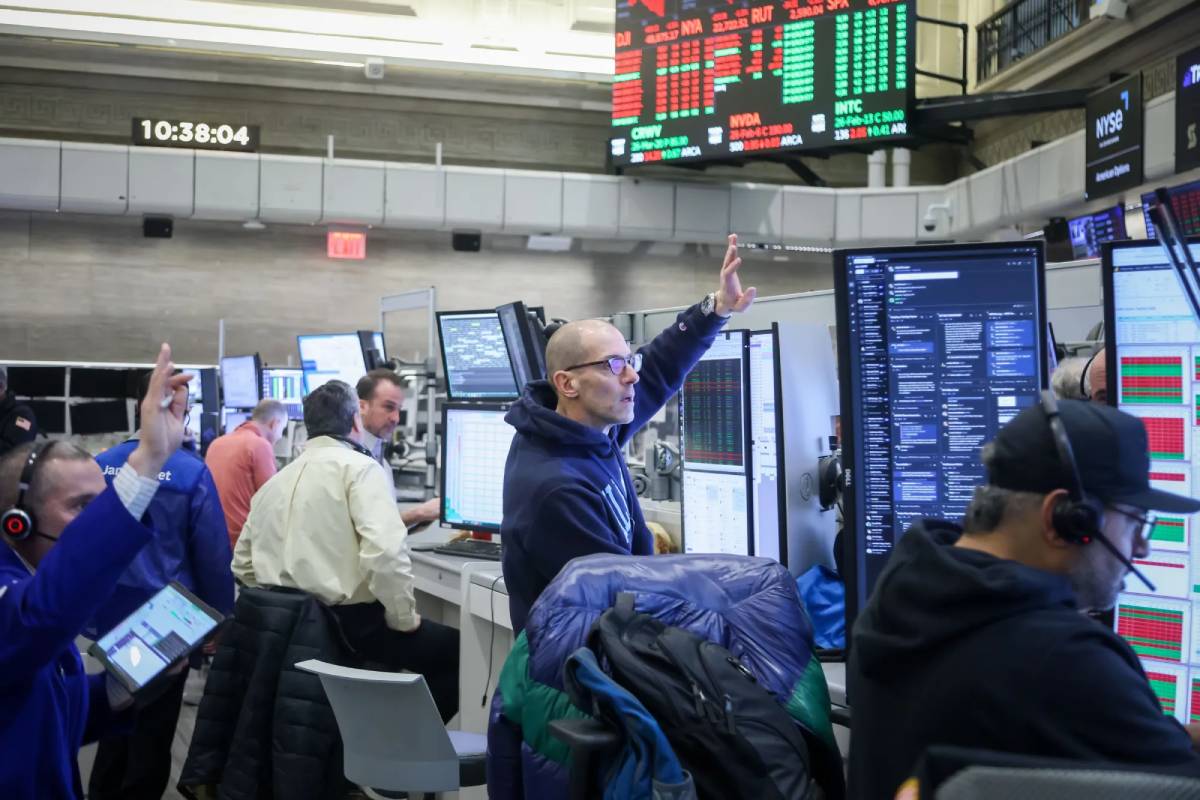
A major market jolt unfolded as insurance broker stocks fell sharply after the launch of an AI-powered insurance application reignited fears of industry disruption. The selloff signals growing investor concern that artificial intelligence could compress margins, reshape distribution models, and weaken the traditional brokerage stronghold.

Shares of major insurance brokerage firms dropped after an AI-driven app demonstrated capabilities that challenge core brokerage functions, including policy comparison, risk assessment, and client onboarding. Investors reacted swiftly, pricing in the potential for long-term revenue pressure as digital platforms promise faster, cheaper insurance placement.

Market participants highlighted that the app’s automation of advisory and administrative tasks could reduce the value proposition of intermediaries. The selloff reflects broader anxiety that AI-led efficiency gains may bypass brokers entirely, shifting bargaining power toward insurers and technology platforms while forcing incumbents to rethink their operating models.

The development aligns with a broader trend across global markets where artificial intelligence is redefining service-based industries once considered insulated from automation. Insurance brokerage has historically relied on relationship management, regulatory expertise, and bespoke advisory services. However, advances in generative AI and predictive analytics are increasingly replicating these functions at scale.

Over the past decade, insurtech firms have targeted underwriting and claims processing. The latest wave now moves directly into distribution and advisory roles, threatening brokers’ commission-driven revenue streams. This shift comes at a time when insurers are under pressure to lower costs and improve customer experience.

Regulators globally are also encouraging transparency and digital adoption in financial services, indirectly accelerating AI-driven models. Together, these forces are compressing the strategic moat that large brokers have long enjoyed.

Industry analysts describe the market reaction as a warning shot rather than a verdict. Many note that while AI applications can replicate transactional tasks, complex commercial insurance placements still require human judgement, negotiation, and regulatory navigation.

Technology strategists argue that brokers who integrate AI into advisory workflows may enhance productivity rather than lose relevance. Some brokerage executives have previously stated that AI will be deployed internally to support agents, not replace them.

However, sceptics caution that once clients become comfortable with AI-led advice for simpler products, expectations will shift rapidly. From a market perspective, analysts say valuations may need to adjust to reflect slower growth assumptions and higher technology investment requirements across the brokerage sector.

For insurance brokers, the episode underscores the urgency of digital transformation and AI integration. Firms that fail to modernise risk losing pricing power and client engagement. Investors may increasingly differentiate between brokers with credible technology strategies and those reliant on legacy models.

For insurers, AI-driven distribution offers potential cost savings but raises questions about channel conflict and customer trust. Policymakers and regulators will need to monitor how AI-led advisory tools comply with suitability, disclosure, and consumer protection rules. The balance between innovation and accountability is likely to come under sharper scrutiny.

Decision-makers will watch whether AI insurance apps gain sustained user adoption or remain niche tools. Key indicators include regulatory responses, partnerships between brokers and tech firms, and evidence of margin compression. While disruption fears are rising, the long-term outcome may hinge on how effectively incumbents adapt rather than whether AI enters the market.

Source: Bloomberg
Date: February 2026

  • Featured tools
Murf Ai
Free

Murf AI Review – Advanced AI Voice Generator for Realistic Voiceovers

#
Text to Speech
Learn more
Wonder AI
Free

Wonder AI is a versatile AI-powered creative platform that generates text, images, and audio with minimal input, designed for fast storytelling, visual creation, and audio content generation

#
Art Generator
Learn more

Learn more about future of AI

Join 80,000+ Ai enthusiast getting weekly updates on exciting AI tools.
Thank you! Your submission has been received!
Oops! Something went wrong while submitting the form.

AI Shock Triggers Selloff Across Global Insurance Broker Stocks

February 10, 2026

Shares of major insurance brokerage firms dropped after an AI-driven app demonstrated capabilities that challenge core brokerage functions, including policy comparison, risk assessment.

A major market jolt unfolded as insurance broker stocks fell sharply after the launch of an AI-powered insurance application reignited fears of industry disruption. The selloff signals growing investor concern that artificial intelligence could compress margins, reshape distribution models, and weaken the traditional brokerage stronghold.

Shares of major insurance brokerage firms dropped after an AI-driven app demonstrated capabilities that challenge core brokerage functions, including policy comparison, risk assessment, and client onboarding. Investors reacted swiftly, pricing in the potential for long-term revenue pressure as digital platforms promise faster, cheaper insurance placement.

Market participants highlighted that the app’s automation of advisory and administrative tasks could reduce the value proposition of intermediaries. The selloff reflects broader anxiety that AI-led efficiency gains may bypass brokers entirely, shifting bargaining power toward insurers and technology platforms while forcing incumbents to rethink their operating models.

The development aligns with a broader trend across global markets where artificial intelligence is redefining service-based industries once considered insulated from automation. Insurance brokerage has historically relied on relationship management, regulatory expertise, and bespoke advisory services. However, advances in generative AI and predictive analytics are increasingly replicating these functions at scale.

Over the past decade, insurtech firms have targeted underwriting and claims processing. The latest wave now moves directly into distribution and advisory roles, threatening brokers’ commission-driven revenue streams. This shift comes at a time when insurers are under pressure to lower costs and improve customer experience.

Regulators globally are also encouraging transparency and digital adoption in financial services, indirectly accelerating AI-driven models. Together, these forces are compressing the strategic moat that large brokers have long enjoyed.

Industry analysts describe the market reaction as a warning shot rather than a verdict. Many note that while AI applications can replicate transactional tasks, complex commercial insurance placements still require human judgement, negotiation, and regulatory navigation.

Technology strategists argue that brokers who integrate AI into advisory workflows may enhance productivity rather than lose relevance. Some brokerage executives have previously stated that AI will be deployed internally to support agents, not replace them.

However, sceptics caution that once clients become comfortable with AI-led advice for simpler products, expectations will shift rapidly. From a market perspective, analysts say valuations may need to adjust to reflect slower growth assumptions and higher technology investment requirements across the brokerage sector.

For insurance brokers, the episode underscores the urgency of digital transformation and AI integration. Firms that fail to modernise risk losing pricing power and client engagement. Investors may increasingly differentiate between brokers with credible technology strategies and those reliant on legacy models.

For insurers, AI-driven distribution offers potential cost savings but raises questions about channel conflict and customer trust. Policymakers and regulators will need to monitor how AI-led advisory tools comply with suitability, disclosure, and consumer protection rules. The balance between innovation and accountability is likely to come under sharper scrutiny.

Decision-makers will watch whether AI insurance apps gain sustained user adoption or remain niche tools. Key indicators include regulatory responses, partnerships between brokers and tech firms, and evidence of margin compression. While disruption fears are rising, the long-term outcome may hinge on how effectively incumbents adapt rather than whether AI enters the market.

Source: Bloomberg
Date: February 2026

Promote Your Tool

Copy Embed Code

Similar Blogs

February 10, 2026
|

Telstra Accelerates AI Pivot as Workforce Restructuring Deepens

Telstra confirmed that more than 200 roles will be eliminated, with a significant portion linked to offshore operations, as automation and AI tools are integrated into customer service and network management functions.
Read more
February 10, 2026
|

US States Move to Rein In AI Chatbots as Regulatory Momentum Builds

Lawmakers heard testimony outlining potential guardrails for AI chatbots, including disclosure requirements, safeguards against deceptive practices, and limits on automated advice in sensitive areas such as healthcare.
Read more
February 10, 2026
|

BigBear.ai Rally Rekindles Debate Over AI Defense Valuations

BigBear.ai’s share price gained momentum following heightened trading activity and renewed attention from retail and institutional investors.
Read more
February 10, 2026
|

AI Shock Triggers Selloff Across Global Insurance Broker Stocks

Shares of major insurance brokerage firms dropped after an AI-driven app demonstrated capabilities that challenge core brokerage functions, including policy comparison, risk assessment.
Read more
February 10, 2026
|

AI Boom Forces Sharp Upgrade to Taiwan’s Economic Growth Outlook

Bank of America revised its 2026 GDP growth forecast for Taiwan sharply higher, pointing to sustained AI-led investment and export momentum. The bank highlighted strong demand for advanced chips.
Read more
February 10, 2026
|

Wall Street Endorsement Sparks Rally in China’s AI Champions

Shares of China-based AI developers MiniMax and Zhipu AI surged after JPMorgan issued favourable research assessments, citing improving commercial prospects and growing relevance in China’s domestic AI ecosystem.
Read more