



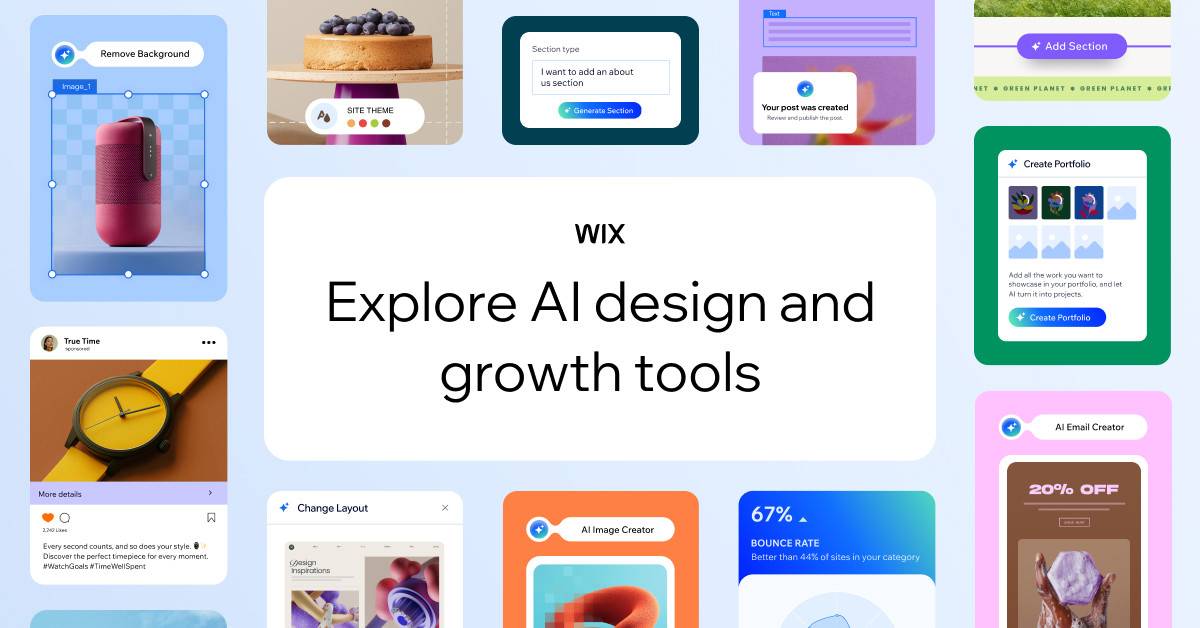
A major development unfolded as Wix expands its AI-powered website builder, enabling users to create fully functional websites within minutes. The move underscores a broader shift toward automated digital creation, with implications for small businesses, entrepreneurs, and the global web development ecosystem.
Wix’s AI website builder allows users to generate complete websites through conversational prompts, eliminating the need for traditional coding or design expertise. The platform automates layout creation, content generation, and design optimization.
The tool is positioned as a solution for small and medium-sized businesses (SMBs), freelancers, and startups seeking rapid digital presence. It integrates AI-driven recommendations for branding, content, and user experience.
The rollout reflects Wix’s strategy to embed AI across its product suite, enhancing accessibility and reducing time-to-launch. Analysts note that such tools could disrupt traditional web development workflows while expanding the addressable market for digital services globally.
The development aligns with a broader trend where AI is democratizing digital creation tools across industries. Platforms like Squarespace and Shopify are also integrating AI capabilities to streamline website and storefront development.
Historically, building a professional website required technical expertise or external developers, creating barriers for small businesses. AI-driven tools are now lowering these barriers, enabling faster deployment and reduced costs.
The rise of generative AI has accelerated this shift, allowing platforms to automate not only design but also content creation, SEO optimization, and user engagement strategies. This transformation is particularly significant in emerging markets, where digital adoption is growing rapidly. As businesses increasingly prioritize online presence, AI-powered platforms are becoming central to digital transformation strategies across sectors.
Industry experts view Wix’s AI builder as part of a larger movement toward “no-code” and “low-code” ecosystems powered by artificial intelligence. Analysts suggest that such tools could redefine productivity for entrepreneurs, enabling faster experimentation and iteration.
Technology strategists highlight that AI-driven automation can significantly reduce development costs while improving user experience through data-driven design recommendations. However, some experts caution that over-reliance on automated tools may limit customization and differentiation for larger enterprises.
Wix executives emphasize that the platform is designed to empower users rather than replace professional developers, positioning AI as a collaborative tool. Market observers expect increased competition as rivals enhance their AI offerings, intensifying innovation in the website creation space.
For businesses, the shift toward AI-driven website creation reduces entry barriers, enabling faster market entry and cost savings. Entrepreneurs and SMEs can establish digital presence without significant upfront investment, potentially accelerating economic activity.
Investors may view this trend as an opportunity for growth in AI-powered SaaS platforms, while traditional web development services may face disruption.
From a policy perspective, regulators may focus on data privacy, content accuracy, and intellectual property issues arising from AI-generated content. Companies adopting these tools may need to reassess governance frameworks to ensure compliance and maintain brand integrity.
Looking ahead, AI-powered website builders are expected to evolve toward more personalized and adaptive digital experiences. Integration with e-commerce, marketing automation, and analytics will likely deepen.
Decision-makers should monitor adoption rates, competitive developments, and regulatory changes. As AI continues to reshape digital creation, platforms like Wix could play a central role in defining how businesses establish and scale their online presence in an increasingly automated world.
Source: Wix
Date: April 2026


