
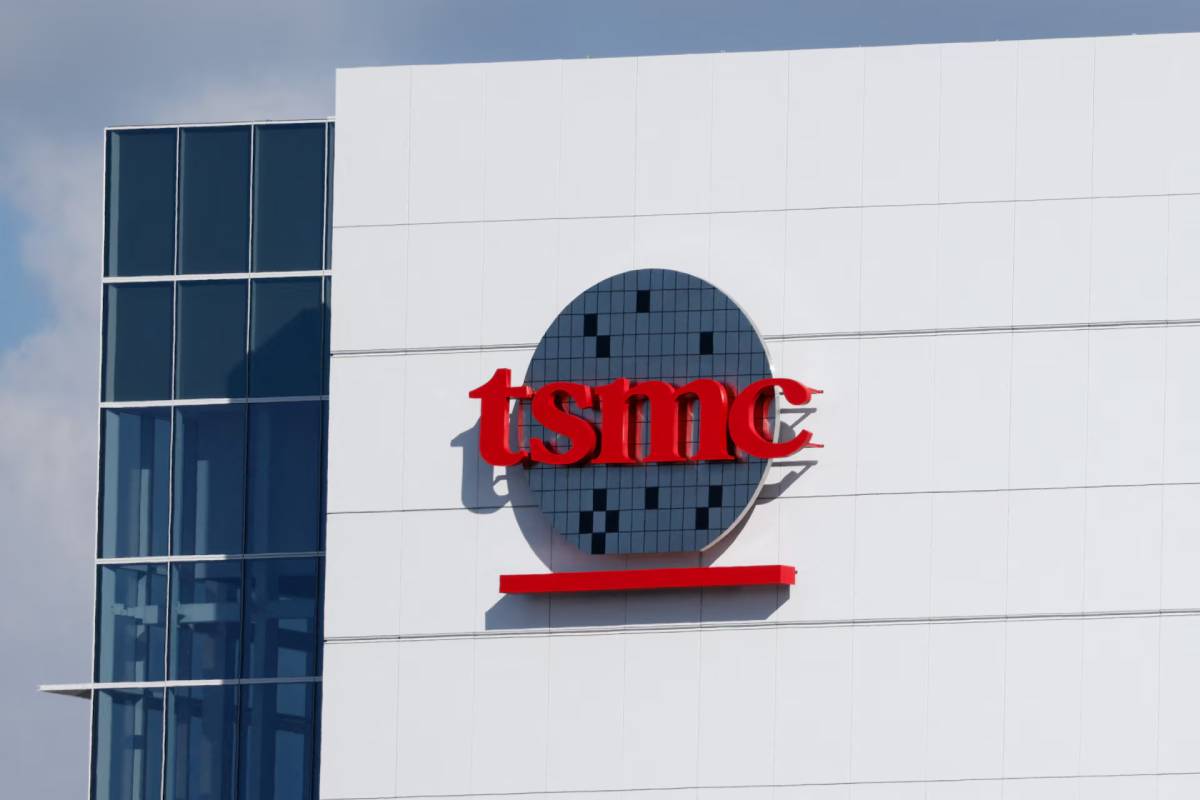
Analysts Forecast Breakout Year for Leading AI Stock in 2026

Market analysts have identified a major AI-focused company as a prime candidate to surpass its previous record valuation within the next 12 months.

February 12, 2026
|

A leading artificial intelligence stock is projected to reach a new all-time high by the end of 2026, underscoring Wall Street’s deepening conviction in the long-term AI growth cycle. The bullish outlook reflects accelerating enterprise adoption, robust earnings momentum, and sustained capital investment in next-generation AI infrastructure.

Market analysts have identified a major AI-focused company as a prime candidate to surpass its previous record valuation within the next 12 months. The forecast is anchored in three core drivers: expanding AI deployment across industries, rising demand for advanced computing infrastructure, and strong revenue visibility through 2026.

The company has benefited from heightened enterprise spending on generative AI, data centers, and automation tools. Institutional investors have steadily increased exposure, betting on continued earnings expansion. With AI budgets now embedded in corporate capital allocation strategies, the stock’s trajectory reflects broader structural shifts rather than short-term speculative enthusiasm.

The projection comes amid an unprecedented surge in AI investment worldwide. Over the past two years, global corporations and governments have accelerated AI adoption across sectors ranging from healthcare and finance to defense and manufacturing. Capital expenditure in AI infrastructure particularly high-performance chips, cloud platforms, and data ecosystems has reached historic highs.

Equity markets have rewarded companies positioned at the core of this transformation. AI-linked stocks have outperformed broader indices, driven by strong earnings growth and forward guidance tied to multi-year enterprise contracts. Meanwhile, geopolitical competition particularly between the United States and China has intensified strategic investments in semiconductor deign, cloud computing, and AI research.

The development aligns with a broader trend across global markets where AI is transitioning from experimental deployment to mission-critical infrastructure, reshaping corporate valuation models and investor expectations.

Market strategists argue that the company’s competitive moat built on technological leadership, scale advantages, and ecosystem integration positions it for sustained outperformance. Analysts note that recurring revenue streams from enterprise clients provide greater earnings visibility compared to earlier phases of AI hype cycles.

Industry observers emphasize that AI monetization is now moving beyond proof-of-concept. Corporate leaders across sectors are embedding AI tools into core workflows, boosting productivity and operational efficiency. Portfolio managers suggest that institutional capital flows reflect long-term confidence rather than speculative trading momentum.

While valuation multiples remain elevated, experts contend that earnings growth may justify premium pricing if adoption trends continue at their current pace. Risk factors cited include regulatory scrutiny, supply chain constraints, and potential macroeconomic slowdowns.

For global executives, the rally signals that AI investment is no longer optional it is a competitive imperative. Companies lagging in digital transformation risk strategic disadvantage as peers integrate AI-driven analytics, automation, and decision intelligence.

Investors may increasingly concentrate portfolios around AI infrastructure leaders, reinforcing market dominance for top-tier firms. Policymakers, meanwhile, face mounting pressure to balance innovation incentives with regulatory safeguards, particularly around data governance and national security.

The projected record high reflects not just investor optimism, but structural capital reallocation toward AI-enabled business models across advanced economies.

As 2026 unfolds, decision-makers will closely monitor earnings guidance, enterprise AI spending trends, and global semiconductor supply dynamics. Regulatory developments and geopolitical tensions could introduce volatility, but the long-term trajectory appears anchored in sustained digital transformation.

If adoption momentum holds, the anticipated record high may mark not a peak but the next phase in AI’s structural ascent.

Source: The Motley Fool
Date: February 11, 2026

  • Featured tools
Twistly AI
Paid

Twistly AI is a PowerPoint add-in that allows users to generate full slide decks, improve existing presentations, and convert various content types into polished slides directly within Microsoft PowerPoint.It streamlines presentation creation using AI-powered text analysis, image generation and content conversion.

#
Presentation
Learn more
Copy Ai
Free

Copy AI is one of the most popular AI writing tools designed to help professionals create high-quality content quickly. Whether you are a product manager drafting feature descriptions or a marketer creating ad copy, Copy AI can save hours of work while maintaining creativity and tone.

#
Copywriting
Learn more

Learn more about future of AI

Join 80,000+ Ai enthusiast getting weekly updates on exciting AI tools.
Thank you! Your submission has been received!
Oops! Something went wrong while submitting the form.

Analysts Forecast Breakout Year for Leading AI Stock in 2026

February 12, 2026

Market analysts have identified a major AI-focused company as a prime candidate to surpass its previous record valuation within the next 12 months.

A leading artificial intelligence stock is projected to reach a new all-time high by the end of 2026, underscoring Wall Street’s deepening conviction in the long-term AI growth cycle. The bullish outlook reflects accelerating enterprise adoption, robust earnings momentum, and sustained capital investment in next-generation AI infrastructure.

Market analysts have identified a major AI-focused company as a prime candidate to surpass its previous record valuation within the next 12 months. The forecast is anchored in three core drivers: expanding AI deployment across industries, rising demand for advanced computing infrastructure, and strong revenue visibility through 2026.

The company has benefited from heightened enterprise spending on generative AI, data centers, and automation tools. Institutional investors have steadily increased exposure, betting on continued earnings expansion. With AI budgets now embedded in corporate capital allocation strategies, the stock’s trajectory reflects broader structural shifts rather than short-term speculative enthusiasm.

The projection comes amid an unprecedented surge in AI investment worldwide. Over the past two years, global corporations and governments have accelerated AI adoption across sectors ranging from healthcare and finance to defense and manufacturing. Capital expenditure in AI infrastructure particularly high-performance chips, cloud platforms, and data ecosystems has reached historic highs.

Equity markets have rewarded companies positioned at the core of this transformation. AI-linked stocks have outperformed broader indices, driven by strong earnings growth and forward guidance tied to multi-year enterprise contracts. Meanwhile, geopolitical competition particularly between the United States and China has intensified strategic investments in semiconductor deign, cloud computing, and AI research.

The development aligns with a broader trend across global markets where AI is transitioning from experimental deployment to mission-critical infrastructure, reshaping corporate valuation models and investor expectations.

Market strategists argue that the company’s competitive moat built on technological leadership, scale advantages, and ecosystem integration positions it for sustained outperformance. Analysts note that recurring revenue streams from enterprise clients provide greater earnings visibility compared to earlier phases of AI hype cycles.

Industry observers emphasize that AI monetization is now moving beyond proof-of-concept. Corporate leaders across sectors are embedding AI tools into core workflows, boosting productivity and operational efficiency. Portfolio managers suggest that institutional capital flows reflect long-term confidence rather than speculative trading momentum.

While valuation multiples remain elevated, experts contend that earnings growth may justify premium pricing if adoption trends continue at their current pace. Risk factors cited include regulatory scrutiny, supply chain constraints, and potential macroeconomic slowdowns.

For global executives, the rally signals that AI investment is no longer optional it is a competitive imperative. Companies lagging in digital transformation risk strategic disadvantage as peers integrate AI-driven analytics, automation, and decision intelligence.

Investors may increasingly concentrate portfolios around AI infrastructure leaders, reinforcing market dominance for top-tier firms. Policymakers, meanwhile, face mounting pressure to balance innovation incentives with regulatory safeguards, particularly around data governance and national security.

The projected record high reflects not just investor optimism, but structural capital reallocation toward AI-enabled business models across advanced economies.

As 2026 unfolds, decision-makers will closely monitor earnings guidance, enterprise AI spending trends, and global semiconductor supply dynamics. Regulatory developments and geopolitical tensions could introduce volatility, but the long-term trajectory appears anchored in sustained digital transformation.

If adoption momentum holds, the anticipated record high may mark not a peak but the next phase in AI’s structural ascent.

Source: The Motley Fool
Date: February 11, 2026

Promote Your Tool

Copy Embed Code

Similar Blogs

February 12, 2026
|

US Advances AI Investment Drive as China Rivalry Deepens

Washington framed the initiative as a push for transparent, rules-based economic growth, while implicitly countering China’s expanding technological footprint in the region. AI funding proposals emphasized infrastructure.
Read more
February 12, 2026
|

Indian IT Stocks Tumble on AI Fears

The Nifty IT index dropped over 4%, marking its sharpest fall in months, as investors reassessed growth prospects for major technology exporters. Leading firms with significant exposure to the US market saw notable declines.
Read more
February 12, 2026
|

Alarmism Clouds AI Debate as Industry Grapples With Credibility Risks

Commentary surrounding AI has increasingly oscillated between utopian promise and catastrophic risk. Industry leaders, technologists, and public figures have issued warnings ranging from job displacement to existential threats.
Read more
February 12, 2026
|

AI Stock Rally Faces 2026 Volatility Test

After posting significant gains over the past two years, AI-linked equities particularly chipmakers, cloud providers, and enterprise software firms—have reached elevated valuations.
Read more
February 12, 2026
|

Fears of AI Driven Software Collapse Overstated as Sector Stabilises

Investors had rotated capital toward AI infrastructure players, triggering selloffs in traditional software stocks. Yet analysts now argue that AI is augmenting software capabilities rather than eliminating demand.
Read more
February 12, 2026
|

Google Pushes AI First Culture, Offers Staff Exits

Google has introduced voluntary exit packages for employees who are not aligned with the company’s accelerated artificial intelligence strategy.
Read more