
Anthropic AI Safety Strategy Triggers Pentagon Tensions, Spending Debate

The debate centers on how advanced AI systems should be deployed within defense and national security environments. Executives at Anthropic have positioned the company as a leader in AI safety.

March 5, 2026
|

A significant policy and industry clash has emerged as Anthropic’s strict artificial intelligence safety stance reportedly conflicts with expectations from the United States Department of Defense. The dispute is now rippling into U.S. political fundraising and primary elections, underscoring how AI governance debates are increasingly influencing national security policy and campaign financing.

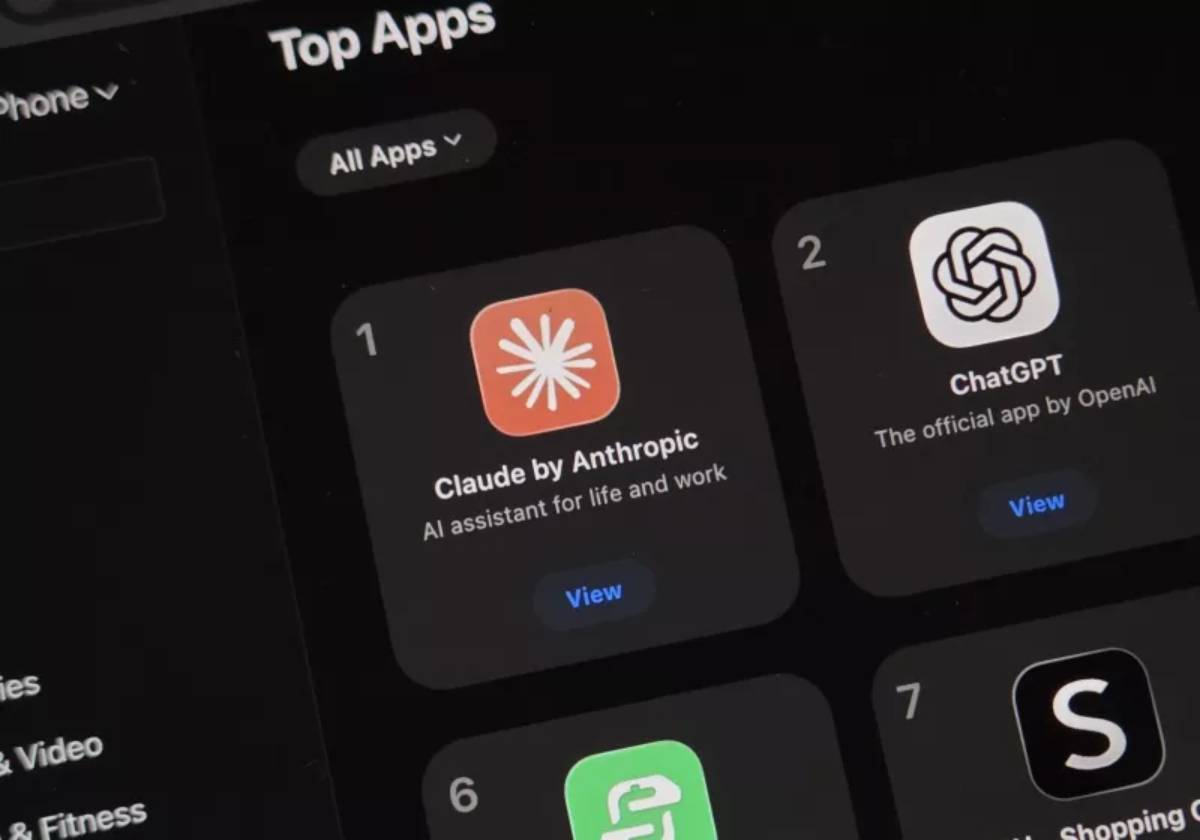
The debate centers on how advanced AI systems should be deployed within defense and national security environments. Executives at Anthropic have positioned the company as a leader in AI safety, advocating strict safeguards around the deployment of powerful models such as Claude AI. These guardrails reportedly limit certain military applications, creating friction with the United States Department of Defense, which is accelerating efforts to integrate AI into defense operations.

The policy divide has also begun influencing political donations and lobbying activity tied to U.S. primary elections, according to transparency data compiled by OpenSecrets. Technology companies and political action committees are increasingly directing funds toward candidates who support either stronger AI safety regulation or rapid defense adoption.

The dispute reflects a broader transformation in how artificial intelligence intersects with national security, economic competitiveness, and global geopolitics. As the United States competes with rivals such as China in the race for AI dominance, government agencies—including the United States Department of Defense are prioritizing rapid deployment of advanced algorithms for intelligence analysis, battlefield logistics, and cyber defense.

At the same time, AI developers like Anthropic have built their reputations around safety-first approaches designed to reduce risks associated with powerful models.

This tension has become increasingly visible as leading AI firms navigate contracts with government agencies while maintaining commitments to ethical development frameworks.

Historically, similar debates have occurred around technologies ranging from nuclear research to cybersecurity tools. However, AI’s rapid commercialization and its dual-use potential has intensified pressure on companies to balance commercial opportunity with ethical responsibility.

Policy analysts say the clash highlights a growing divide within the technology sector regarding how closely AI developers should align with military applications. Supporters of stricter safeguards argue that companies like Anthropic are attempting to prevent the misuse of powerful AI systems, particularly in autonomous weapons or surveillance systems. Defense strategists, however, warn that excessive limitations could slow innovation and weaken U.S. strategic competitiveness against global rivals.

Transparency advocates at OpenSecrets have noted that political donations tied to AI policy debates are increasing as technology firms seek influence over future regulation and procurement frameworks.

Industry observers say the situation reflects a broader recalibration of relationships between Silicon Valley companies and the national security establishment a dynamic that has historically fluctuated depending on geopolitical pressures.

For corporate leaders and investors, the dispute highlights how AI development is becoming deeply intertwined with government policy and defense spending. Companies pursuing federal contracts may face increasing pressure to clarify their positions on military use cases for artificial intelligence.

At the same time, stricter AI safety commitments could shape procurement decisions within the United States Department of Defense and other government agencies. For policymakers, the situation underscores the need to balance national security priorities with responsible AI governance.

Executives across the technology sector are now watching closely, as regulatory frameworks and political funding trends could reshape how companies collaborate with governments on next-generation AI infrastructure.

The intersection of AI development, defense policy, and political funding is expected to intensify as global competition over advanced technologies accelerates. Lawmakers, regulators, and technology executives will likely face mounting pressure to define clearer boundaries around military AI use. How companies like Anthropic navigate these tensions may ultimately influence both future defense procurement strategies and the evolving global governance of artificial intelligence.

Source: OpenSecrets
Date: March 4, 2026

  • Featured tools
Tome AI
Free

Tome AI is an AI-powered storytelling and presentation tool designed to help users create compelling narratives and presentations quickly and efficiently. It leverages advanced AI technologies to generate content, images, and animations based on user input.

#
Presentation
#
Startup Tools
Learn more
Hostinger Horizons
Freemium

Hostinger Horizons is an AI-powered platform that allows users to build and deploy custom web applications without writing code. It packs hosting, domain management and backend integration into a unified tool for rapid app creation.

#
Startup Tools
#
Coding
#
Project Management
Learn more

Learn more about future of AI

Join 80,000+ Ai enthusiast getting weekly updates on exciting AI tools.
Thank you! Your submission has been received!
Oops! Something went wrong while submitting the form.

Anthropic AI Safety Strategy Triggers Pentagon Tensions, Spending Debate

March 5, 2026

The debate centers on how advanced AI systems should be deployed within defense and national security environments. Executives at Anthropic have positioned the company as a leader in AI safety.

A significant policy and industry clash has emerged as Anthropic’s strict artificial intelligence safety stance reportedly conflicts with expectations from the United States Department of Defense. The dispute is now rippling into U.S. political fundraising and primary elections, underscoring how AI governance debates are increasingly influencing national security policy and campaign financing.

The debate centers on how advanced AI systems should be deployed within defense and national security environments. Executives at Anthropic have positioned the company as a leader in AI safety, advocating strict safeguards around the deployment of powerful models such as Claude AI. These guardrails reportedly limit certain military applications, creating friction with the United States Department of Defense, which is accelerating efforts to integrate AI into defense operations.

The policy divide has also begun influencing political donations and lobbying activity tied to U.S. primary elections, according to transparency data compiled by OpenSecrets. Technology companies and political action committees are increasingly directing funds toward candidates who support either stronger AI safety regulation or rapid defense adoption.

The dispute reflects a broader transformation in how artificial intelligence intersects with national security, economic competitiveness, and global geopolitics. As the United States competes with rivals such as China in the race for AI dominance, government agencies—including the United States Department of Defense are prioritizing rapid deployment of advanced algorithms for intelligence analysis, battlefield logistics, and cyber defense.

At the same time, AI developers like Anthropic have built their reputations around safety-first approaches designed to reduce risks associated with powerful models.

This tension has become increasingly visible as leading AI firms navigate contracts with government agencies while maintaining commitments to ethical development frameworks.

Historically, similar debates have occurred around technologies ranging from nuclear research to cybersecurity tools. However, AI’s rapid commercialization and its dual-use potential has intensified pressure on companies to balance commercial opportunity with ethical responsibility.

Policy analysts say the clash highlights a growing divide within the technology sector regarding how closely AI developers should align with military applications. Supporters of stricter safeguards argue that companies like Anthropic are attempting to prevent the misuse of powerful AI systems, particularly in autonomous weapons or surveillance systems. Defense strategists, however, warn that excessive limitations could slow innovation and weaken U.S. strategic competitiveness against global rivals.

Transparency advocates at OpenSecrets have noted that political donations tied to AI policy debates are increasing as technology firms seek influence over future regulation and procurement frameworks.

Industry observers say the situation reflects a broader recalibration of relationships between Silicon Valley companies and the national security establishment a dynamic that has historically fluctuated depending on geopolitical pressures.

For corporate leaders and investors, the dispute highlights how AI development is becoming deeply intertwined with government policy and defense spending. Companies pursuing federal contracts may face increasing pressure to clarify their positions on military use cases for artificial intelligence.

At the same time, stricter AI safety commitments could shape procurement decisions within the United States Department of Defense and other government agencies. For policymakers, the situation underscores the need to balance national security priorities with responsible AI governance.

Executives across the technology sector are now watching closely, as regulatory frameworks and political funding trends could reshape how companies collaborate with governments on next-generation AI infrastructure.

The intersection of AI development, defense policy, and political funding is expected to intensify as global competition over advanced technologies accelerates. Lawmakers, regulators, and technology executives will likely face mounting pressure to define clearer boundaries around military AI use. How companies like Anthropic navigate these tensions may ultimately influence both future defense procurement strategies and the evolving global governance of artificial intelligence.

Source: OpenSecrets
Date: March 4, 2026

Promote Your Tool

Copy Embed Code

Similar Blogs

March 5, 2026
|

AI-Driven Snap Score Enhances Snapchat Engagement Dynamics

Snapchat users are leveraging AI-driven content recommendations, automation, and analytics to accelerate Snap Score accumulation, utilizing videos, streaks, and messaging frequency.
Read more
March 5, 2026
|

TalkToTransformer Highlights AI Text Generation’s Role in Innovation

TalkToTransformer leverages a transformer-based neural network to generate coherent and contextually relevant text based on user prompts.
Read more
March 5, 2026
|

Akinator Showcases AI Guessing Engine in Interactive Entertainment

Developed by Elokence, Akinator uses an AI-driven question-and-answer system to guess characters, objects, or personalities that users have in mind.
Read more
March 5, 2026
|

SocialBee Expands AI Social Media Tools for Brand Automation

The platform integrates tools for AI-assisted content generation, automated scheduling, audience engagement, and performance analytics. Organizations can publish and manage posts across leading social networks from a single dashboard.
Read more
March 5, 2026
|

Phrasly AI Launches Free Detection Tool Amid Authenticity Debate

Phrasly AI has launched an online AI detection platform aimed at helping users analyze whether written content was produced by artificial intelligence tools.
Read more
March 5, 2026
|

Okta Shares Surge as AI Agent Adoption Drives Earnings

Shares of Okta climbed following an earnings report that exceeded analyst expectations, driven by strong enterprise demand for identity and access management services tied to emerging AI workloads.
Read more