
Anthropic Co-Founder Urges Global AI Safeguards

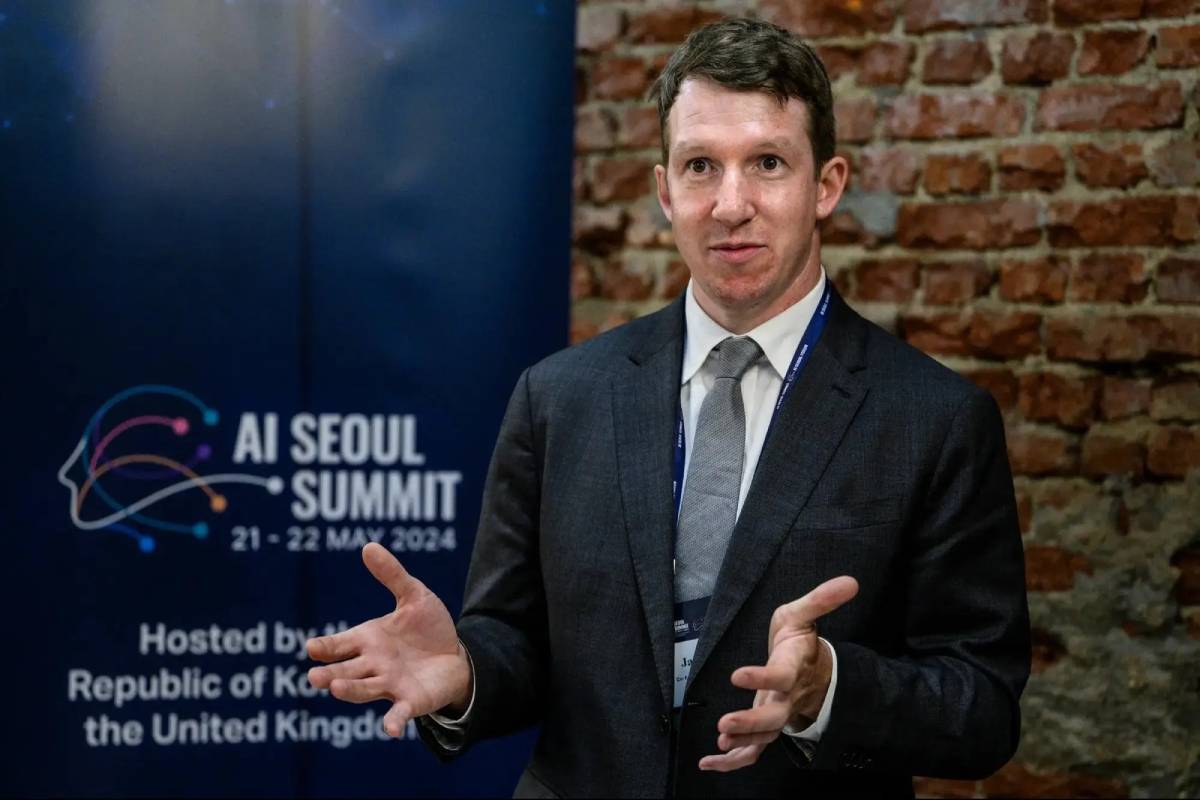
Jack Clark, co-founder of AI company Anthropic, warned that governments and technology firms need mechanisms capable of slowing or controlling advanced AI systems if risks become significant.

June 5, 2026
|

A prominent voice in the artificial intelligence industry has called for stronger safeguards around advanced AI development, warning that the technology needs a reliable “brake pedal” as capabilities accelerate. The remarks from Anthropic co-founder Jack Clark highlight growing concerns among industry leaders, policymakers, and investors about balancing innovation with safety in an increasingly competitive global AI race.

Jack Clark, co-founder of AI company Anthropic, warned that governments and technology firms need mechanisms capable of slowing or controlling advanced AI systems if risks become significant. His comments come amid rapid progress in generative AI, increasing corporate investment, and intensifying competition among leading AI developers.

Clark emphasized that while AI offers enormous economic and scientific opportunities, the industry must prepare for scenarios in which systems become more powerful than anticipated. The discussion arrives as regulators worldwide explore governance frameworks for AI deployment, transparency standards, and risk management requirements. The debate reflects a broader effort to ensure technological progress does not outpace society’s ability to manage its consequences responsibly.

The development aligns with a broader trend across global markets where AI safety has become a central topic alongside innovation and commercialization. Since the emergence of advanced generative AI systems, governments, researchers, and technology companies have increasingly debated how to manage risks associated with highly capable models.

The conversation has evolved from concerns about misinformation and cybersecurity to broader questions surrounding economic disruption, critical infrastructure, autonomous decision-making, and national security. Major technology firms are investing billions of dollars into AI development, while governments are simultaneously crafting regulations designed to promote innovation without compromising public safety.

Anthropic has emerged as one of the leading companies advocating for responsible AI development. Alongside other industry players, it has called for rigorous testing, evaluation frameworks, and international cooperation to address potential risks. The challenge for policymakers remains balancing economic competitiveness with the need for oversight in a rapidly advancing sector.

Clark’s warning reflects a growing consensus among some AI researchers that governance mechanisms should evolve alongside technological capabilities. Advocates of stronger safeguards argue that as AI systems become more autonomous and influential, society needs tools capable of monitoring, auditing, and, if necessary, restricting deployment.

Supporters of accelerated AI development, however, caution against regulations that could hinder innovation or weaken competitiveness. Many industry leaders believe excessive restrictions could slow scientific progress and create advantages for countries with less stringent oversight.

Analysts note that the debate is increasingly moving beyond theoretical discussions toward practical implementation. Questions surrounding model testing, safety certifications, transparency requirements, and emergency intervention mechanisms are becoming central policy issues. As AI adoption expands across sectors, businesses and governments alike are seeking frameworks that encourage innovation while minimizing systemic risks.

For global executives, the discussion underscores the growing importance of AI governance as a strategic business issue. Organizations deploying advanced AI systems may face increasing expectations around transparency, risk management, and operational safeguards.

Investors are likely to monitor regulatory developments closely, particularly as governments consider new rules governing AI deployment and accountability. Companies that demonstrate strong safety practices may gain competitive advantages as trust becomes a key differentiator in the AI economy.

For policymakers, the challenge is creating frameworks that protect society without undermining innovation. The debate could influence future regulations, international cooperation efforts, and standards governing the development and deployment of increasingly powerful AI technologies.

Attention will now turn to how governments and industry leaders translate safety concerns into practical policy measures. Decision-makers will be watching for new regulatory proposals, international agreements, and industry standards aimed at managing advanced AI risks.

As AI capabilities continue to expand, the debate is likely to shift from whether safeguards are needed to determining what forms of oversight can effectively balance innovation, security, and public trust. The outcome will help shape the future trajectory of the global AI economy.

Source: BBC News
Date:
June 2026

  • Featured tools
Writesonic AI
Free

Writesonic AI is a versatile AI writing platform designed for marketers, entrepreneurs, and content creators. It helps users create blog posts, ad copies, product descriptions, social media posts, and more with ease. With advanced AI models and user-friendly tools, Writesonic streamlines content production and saves time for busy professionals.

#
Copywriting
Learn more
Kreateable AI
Free

Kreateable AI is a white-label, AI-driven design platform that enables logo generation, social media posts, ads, and more for businesses, agencies, and service providers.

#
Logo Generator
Learn more

Learn more about future of AI

Join 80,000+ Ai enthusiast getting weekly updates on exciting AI tools.
Thank you! Your submission has been received!
Oops! Something went wrong while submitting the form.

Anthropic Co-Founder Urges Global AI Safeguards

June 5, 2026

Jack Clark, co-founder of AI company Anthropic, warned that governments and technology firms need mechanisms capable of slowing or controlling advanced AI systems if risks become significant.

A prominent voice in the artificial intelligence industry has called for stronger safeguards around advanced AI development, warning that the technology needs a reliable “brake pedal” as capabilities accelerate. The remarks from Anthropic co-founder Jack Clark highlight growing concerns among industry leaders, policymakers, and investors about balancing innovation with safety in an increasingly competitive global AI race.

Jack Clark, co-founder of AI company Anthropic, warned that governments and technology firms need mechanisms capable of slowing or controlling advanced AI systems if risks become significant. His comments come amid rapid progress in generative AI, increasing corporate investment, and intensifying competition among leading AI developers.

Clark emphasized that while AI offers enormous economic and scientific opportunities, the industry must prepare for scenarios in which systems become more powerful than anticipated. The discussion arrives as regulators worldwide explore governance frameworks for AI deployment, transparency standards, and risk management requirements. The debate reflects a broader effort to ensure technological progress does not outpace society’s ability to manage its consequences responsibly.

The development aligns with a broader trend across global markets where AI safety has become a central topic alongside innovation and commercialization. Since the emergence of advanced generative AI systems, governments, researchers, and technology companies have increasingly debated how to manage risks associated with highly capable models.

The conversation has evolved from concerns about misinformation and cybersecurity to broader questions surrounding economic disruption, critical infrastructure, autonomous decision-making, and national security. Major technology firms are investing billions of dollars into AI development, while governments are simultaneously crafting regulations designed to promote innovation without compromising public safety.

Anthropic has emerged as one of the leading companies advocating for responsible AI development. Alongside other industry players, it has called for rigorous testing, evaluation frameworks, and international cooperation to address potential risks. The challenge for policymakers remains balancing economic competitiveness with the need for oversight in a rapidly advancing sector.

Clark’s warning reflects a growing consensus among some AI researchers that governance mechanisms should evolve alongside technological capabilities. Advocates of stronger safeguards argue that as AI systems become more autonomous and influential, society needs tools capable of monitoring, auditing, and, if necessary, restricting deployment.

Supporters of accelerated AI development, however, caution against regulations that could hinder innovation or weaken competitiveness. Many industry leaders believe excessive restrictions could slow scientific progress and create advantages for countries with less stringent oversight.

Analysts note that the debate is increasingly moving beyond theoretical discussions toward practical implementation. Questions surrounding model testing, safety certifications, transparency requirements, and emergency intervention mechanisms are becoming central policy issues. As AI adoption expands across sectors, businesses and governments alike are seeking frameworks that encourage innovation while minimizing systemic risks.

For global executives, the discussion underscores the growing importance of AI governance as a strategic business issue. Organizations deploying advanced AI systems may face increasing expectations around transparency, risk management, and operational safeguards.

Investors are likely to monitor regulatory developments closely, particularly as governments consider new rules governing AI deployment and accountability. Companies that demonstrate strong safety practices may gain competitive advantages as trust becomes a key differentiator in the AI economy.

For policymakers, the challenge is creating frameworks that protect society without undermining innovation. The debate could influence future regulations, international cooperation efforts, and standards governing the development and deployment of increasingly powerful AI technologies.

Attention will now turn to how governments and industry leaders translate safety concerns into practical policy measures. Decision-makers will be watching for new regulatory proposals, international agreements, and industry standards aimed at managing advanced AI risks.

As AI capabilities continue to expand, the debate is likely to shift from whether safeguards are needed to determining what forms of oversight can effectively balance innovation, security, and public trust. The outcome will help shape the future trajectory of the global AI economy.

Source: BBC News
Date:
June 2026

Promote Your Tool

Copy Embed Code

Similar Blogs

June 16, 2026
|

Best Revenue & Sales Enablement Consulting Services in USA

Revenue and sales enablement consulting firms play a crucial role in helping organizations build scalable growth engines. Whether the goal is improving sales execution, implementing revenue operations, optimizing technology platforms.
Read more
June 16, 2026
|

Best Sales Consulting Services in USA

The best sales consulting firms do more than improve sales performance they help organizations build scalable revenue engines that support long-term growth.
Read more
June 16, 2026
|

Best CRM Consulting Services in USA

A successful CRM implementation requires more than technology it requires the right strategy, processes, and expertise. The best CRM consulting firms help organizations align customer relationship management with broader business objectives.
Read more
June 16, 2026
|

Best Pricing Strategy Consulting Services in USA

Pricing strategy remains one of the highest-impact growth levers available to modern businesses. Whether you're launching a new product, optimizing an existing pricing structure.
Read more
June 16, 2026
|

Best GTM Consulting Services in USA

Go-to-market execution has become one of the most important drivers of business success. Organizations that effectively align product strategy, marketing, sales, customer success.
Read more
June 16, 2026
|

Best Revenue Management Consulting Services in USA

Revenue management has become a critical discipline for organizations seeking sustainable growth in increasingly competitive markets. Companies that effectively align pricing, sales, marketing, operations.
Read more