
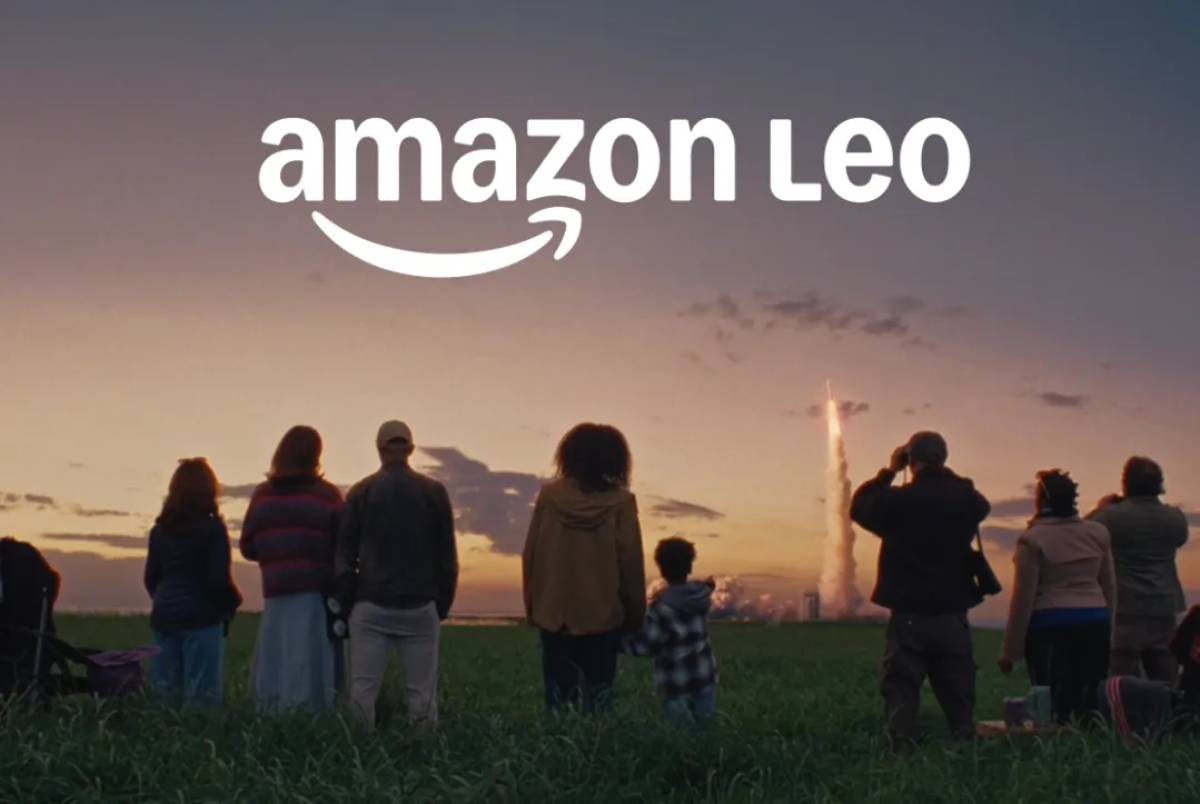
Apple, Amazon Challenge Starlink Expansion

The strategic alignment comes as Starlink expands aggressively into mobile connectivity solutions, seeking to extend satellite internet directly to smartphones without specialized hardware.

April 15, 2026
|

A major development in the global satellite communications race is unfolding as Apple and Amazon intensify alignment with satellite infrastructure partners to challenge the growing smartphone connectivity ambitions of SpaceX through its Starlink network. The move signals a strategic escalation in off-Earth connectivity, with major implications for telecom, mobility, and global digital infrastructure.

Apple and Amazon are reportedly strengthening satellite connectivity initiatives through partnerships and investments tied to providers such as Globalstar. The effort is aimed at expanding direct-to-device connectivity capabilities, particularly for smartphones and consumer devices.

Apple has already integrated satellite-based emergency communication features into devices like the iPhone and Apple Watch, while Amazon continues to develop satellite broadband capabilities through its Project Kuiper initiative.

The strategic alignment comes as Starlink expands aggressively into mobile connectivity solutions, seeking to extend satellite internet directly to smartphones without specialized hardware. The competitive positioning highlights a broader race to dominate global non-terrestrial communications infrastructure.

The development aligns with a broader global trend where technology giants are racing to control next-generation satellite-based internet infrastructure. Traditional telecom networks are increasingly being supplemented or bypassed by low-Earth orbit (LEO) satellite constellations.

SpaceX has emerged as a dominant player in this space with its Starlink network, which already provides broadband connectivity in remote and underserved regions. The expansion into smartphone integration represents a significant escalation in the competition for direct-to-device satellite communication.

Historically, satellite communications were limited to defense, aviation, and remote enterprise applications. However, falling launch costs and miniaturization of satellite technology have enabled commercial-scale deployment.

Apple’s entry into satellite connectivity initially focused on emergency SOS features marked a turning point in consumer-grade adoption. Amazon’s parallel investments reflect its broader ambition to build a global cloud-integrated communications ecosystem through Project Kuiper, positioning satellite infrastructure as a strategic extension of digital services.

Industry analysts suggest that the convergence of consumer tech firms and satellite operators marks a structural shift in global telecommunications. Experts note that control over direct-to-device connectivity could redefine competition not just in telecom, but across cloud computing, mobility, and digital services.

Technology observers emphasize that Starlink’s early-mover advantage has forced rivals to accelerate partnerships to avoid dependency on a single dominant satellite ecosystem. Analysts also highlight that Apple’s ecosystem integration strategy could allow it to embed satellite features deeply into consumer devices, creating a differentiated user experience.

Market commentators warn, however, that regulatory frameworks around spectrum allocation, orbital congestion, and cross-border data transmission remain unresolved. These uncertainties could shape how quickly satellite-enabled smartphone connectivity scales globally. The broader consensus is that satellite internet is transitioning from niche infrastructure to mainstream consumer utility.

For global executives, the satellite connectivity race signals a new competitive frontier where telecom, cloud, and device ecosystems converge. Companies may need to reassess long-term infrastructure dependencies as satellite-based internet becomes a viable alternative to terrestrial networks.

Investors are likely to view non-terrestrial connectivity as a high-growth segment, with implications for telecom operators, semiconductor firms, and device manufacturers. Meanwhile, policymakers may face increasing pressure to regulate orbital traffic, spectrum usage, and cross-border data governance. For consumers, the shift could enable more resilient global connectivity, particularly in remote or underserved regions, but may also reshape pricing and service models across the telecom industry.

Looking ahead, the competitive dynamics between Starlink, Apple-linked satellite services, and Amazon’s Kuiper project will intensify as direct-to-device connectivity moves closer to mainstream adoption. Decision-makers should watch for regulatory approvals, device integration milestones, and global coverage expansion. The outcome of this race could define the next era of global communications infrastructure, where satellite networks become as foundational as traditional mobile and broadband systems.

Source: The Verge
Date: April 2026

  • Featured tools
Twistly AI
Paid

Twistly AI is a PowerPoint add-in that allows users to generate full slide decks, improve existing presentations, and convert various content types into polished slides directly within Microsoft PowerPoint.It streamlines presentation creation using AI-powered text analysis, image generation and content conversion.

#
Presentation
Learn more
Tome AI
Free

Tome AI is an AI-powered storytelling and presentation tool designed to help users create compelling narratives and presentations quickly and efficiently. It leverages advanced AI technologies to generate content, images, and animations based on user input.

#
Presentation
#
Startup Tools
Learn more

Learn more about future of AI

Join 80,000+ Ai enthusiast getting weekly updates on exciting AI tools.
Thank you! Your submission has been received!
Oops! Something went wrong while submitting the form.

Apple, Amazon Challenge Starlink Expansion

April 15, 2026

The strategic alignment comes as Starlink expands aggressively into mobile connectivity solutions, seeking to extend satellite internet directly to smartphones without specialized hardware.

A major development in the global satellite communications race is unfolding as Apple and Amazon intensify alignment with satellite infrastructure partners to challenge the growing smartphone connectivity ambitions of SpaceX through its Starlink network. The move signals a strategic escalation in off-Earth connectivity, with major implications for telecom, mobility, and global digital infrastructure.

Apple and Amazon are reportedly strengthening satellite connectivity initiatives through partnerships and investments tied to providers such as Globalstar. The effort is aimed at expanding direct-to-device connectivity capabilities, particularly for smartphones and consumer devices.

Apple has already integrated satellite-based emergency communication features into devices like the iPhone and Apple Watch, while Amazon continues to develop satellite broadband capabilities through its Project Kuiper initiative.

The strategic alignment comes as Starlink expands aggressively into mobile connectivity solutions, seeking to extend satellite internet directly to smartphones without specialized hardware. The competitive positioning highlights a broader race to dominate global non-terrestrial communications infrastructure.

The development aligns with a broader global trend where technology giants are racing to control next-generation satellite-based internet infrastructure. Traditional telecom networks are increasingly being supplemented or bypassed by low-Earth orbit (LEO) satellite constellations.

SpaceX has emerged as a dominant player in this space with its Starlink network, which already provides broadband connectivity in remote and underserved regions. The expansion into smartphone integration represents a significant escalation in the competition for direct-to-device satellite communication.

Historically, satellite communications were limited to defense, aviation, and remote enterprise applications. However, falling launch costs and miniaturization of satellite technology have enabled commercial-scale deployment.

Apple’s entry into satellite connectivity initially focused on emergency SOS features marked a turning point in consumer-grade adoption. Amazon’s parallel investments reflect its broader ambition to build a global cloud-integrated communications ecosystem through Project Kuiper, positioning satellite infrastructure as a strategic extension of digital services.

Industry analysts suggest that the convergence of consumer tech firms and satellite operators marks a structural shift in global telecommunications. Experts note that control over direct-to-device connectivity could redefine competition not just in telecom, but across cloud computing, mobility, and digital services.

Technology observers emphasize that Starlink’s early-mover advantage has forced rivals to accelerate partnerships to avoid dependency on a single dominant satellite ecosystem. Analysts also highlight that Apple’s ecosystem integration strategy could allow it to embed satellite features deeply into consumer devices, creating a differentiated user experience.

Market commentators warn, however, that regulatory frameworks around spectrum allocation, orbital congestion, and cross-border data transmission remain unresolved. These uncertainties could shape how quickly satellite-enabled smartphone connectivity scales globally. The broader consensus is that satellite internet is transitioning from niche infrastructure to mainstream consumer utility.

For global executives, the satellite connectivity race signals a new competitive frontier where telecom, cloud, and device ecosystems converge. Companies may need to reassess long-term infrastructure dependencies as satellite-based internet becomes a viable alternative to terrestrial networks.

Investors are likely to view non-terrestrial connectivity as a high-growth segment, with implications for telecom operators, semiconductor firms, and device manufacturers. Meanwhile, policymakers may face increasing pressure to regulate orbital traffic, spectrum usage, and cross-border data governance. For consumers, the shift could enable more resilient global connectivity, particularly in remote or underserved regions, but may also reshape pricing and service models across the telecom industry.

Looking ahead, the competitive dynamics between Starlink, Apple-linked satellite services, and Amazon’s Kuiper project will intensify as direct-to-device connectivity moves closer to mainstream adoption. Decision-makers should watch for regulatory approvals, device integration milestones, and global coverage expansion. The outcome of this race could define the next era of global communications infrastructure, where satellite networks become as foundational as traditional mobile and broadband systems.

Source: The Verge
Date: April 2026

Promote Your Tool

Copy Embed Code

Similar Blogs

April 15, 2026
|

OpenAI Leads Next Phase of AI Transformation

OpenAI has emerged as a central player in the development of advanced generative AI systems, powering applications across productivity, software development, research, and enterprise automation.
Read more
April 15, 2026
|

Microsoft Positions Copilot as Core AI Companion

Microsoft Copilot is being positioned as an AI-powered assistant designed to support users across productivity, communication, and enterprise workflows. Integrated across Microsoft’s ecosystem.
Read more
April 15, 2026
|

Canva Launches All-in-One AI Design Assistant

Canva has introduced an AI assistant integrated directly into its design platform, enabling users to generate, edit, and optimize visual content through natural language prompts.
Read more
April 15, 2026
|

Apple iPad A16 Leads 2026 Tablet Market

The Apple iPad A16 remains one of the top-rated tablets in 2026, driven by strong performance, ecosystem integration, and consumer satisfaction. The device continues to attract both individual buyers and enterprise users seeking portable productivity solutions.
Read more
April 15, 2026
|

$299 Smart Glasses Signal New AR Era

The new smart glasses deliver high-dynamic-range visuals designed to simulate a large-screen viewing experience in a compact wearable form factor.
Read more
April 15, 2026
|

Sony Expands Gaming Audio Line with InZone H6 Air

The Sony InZone H6 Air headset has been reviewed as a strong addition to the company’s gaming ecosystem, offering high-quality sound performance and lightweight comfort designed for extended gaming sessions.
Read more