
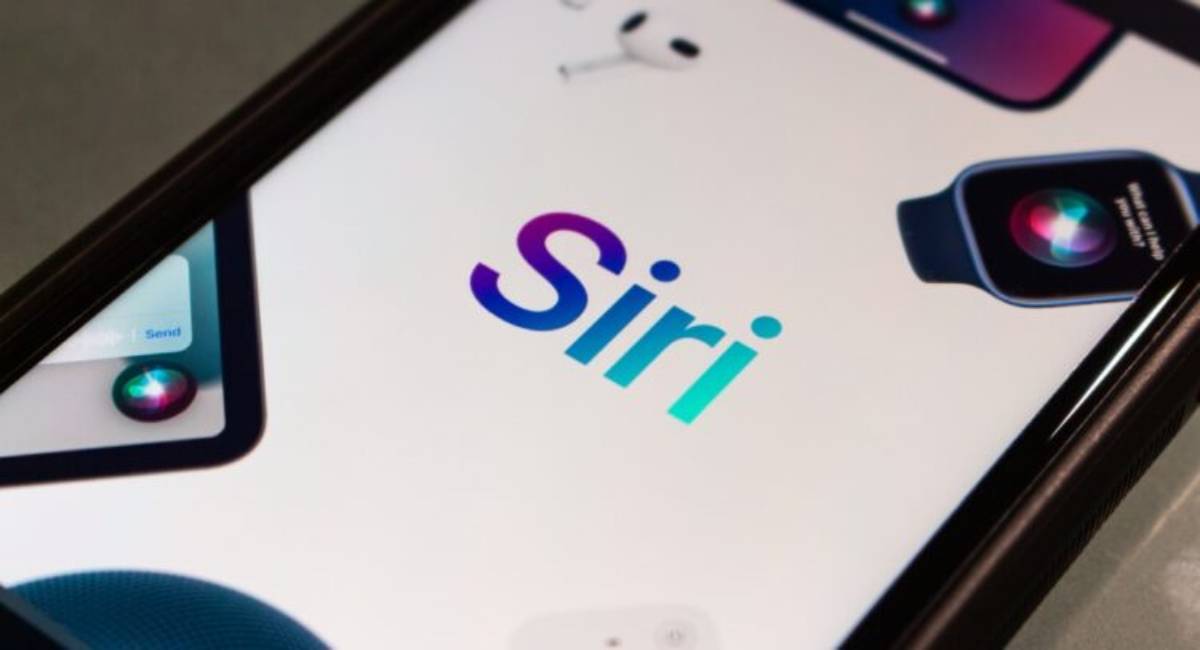
Apple Faces Crossroads Amid Siri AI Revamp

Apple is reportedly undertaking a major overhaul of Siri, aiming to integrate more advanced AI capabilities to compete with next-generation assistants. The initiative reflects growing pressure from rivals deploying large language models and generative AI into consumer products.

April 6, 2026
|

A major development unfolded as Apple confronts a critical inflection point in its AI strategy, racing to rebuild Siri amid intensifying competition. The move signals a broader shift in Big Tech priorities, with significant implications for product ecosystems, investor sentiment, and the future of consumer-facing AI.

Apple is reportedly undertaking a major overhaul of Siri, aiming to integrate more advanced AI capabilities to compete with next-generation assistants. The initiative reflects growing pressure from rivals deploying large language models and generative AI into consumer products.

The company is reassessing its internal AI architecture, including potential upgrades to on-device processing and cloud-based intelligence. Leadership is said to be prioritizing speed and capability improvements, addressing long-standing criticisms of Siri’s limitations.

This strategic pivot comes at a time when AI-driven user interfaces are becoming central to device ecosystems. The outcome could directly impact Apple’s competitive position in smartphones, wearables, and future computing platforms.

The development aligns with a broader trend across global markets where voice assistants are evolving into fully conversational AI systems. While Apple pioneered early adoption with Siri, competitors have rapidly advanced using generative AI and large-scale models.

Companies such as Google and Microsoft in partnership with OpenAI have integrated powerful AI assistants into search, productivity tools, and operating systems. These systems now offer contextual understanding, reasoning, and task automation capabilities that surpass traditional voice assistants.

Apple’s historically cautious approach to AI, driven by its focus on privacy and on-device processing, has slowed the pace of innovation compared to competitors. However, this same approach positions Apple uniquely in an era of increasing scrutiny over data security and AI governance. The company now faces a strategic balancing act: accelerating AI capabilities while maintaining its privacy-first brand identity.

Industry analysts view Apple’s current position as a pivotal moment that could redefine its long-term competitiveness in AI. Experts suggest that Siri’s transformation is not merely a product update but a foundational shift in how Apple interacts with users across its ecosystem.

Some analysts argue that Apple’s strength lies in its integrated hardware-software model, which could enable highly optimized AI experiences if executed effectively. Others caution that delays in adopting cutting-edge generative AI could erode its leadership in user experience.

Market observers also note that Apple’s investments in proprietary silicon and machine learning frameworks could play a critical role in delivering AI capabilities directly on devices, reducing reliance on cloud infrastructure. From a strategic standpoint, Apple’s next moves will signal whether it can close the gap with AI-first competitors while preserving its differentiated approach to privacy and user trust.

For global executives, Apple’s AI pivot highlights the growing importance of intelligent interfaces in shaping customer engagement and product differentiation. Businesses across industries may need to rethink how AI integrates into user experiences, particularly in mobile and consumer platforms.

Investors are closely watching Apple’s ability to translate its AI investments into tangible product improvements, which could influence valuation and market positioning. A successful Siri transformation could unlock new revenue streams and strengthen ecosystem loyalty.

From a policy perspective, Apple’s emphasis on privacy-centric AI could influence regulatory standards, especially in regions prioritizing data protection. This approach may set benchmarks for balancing innovation with user rights.

Looking ahead, the success of Apple’s AI overhaul will depend on execution speed, technological breakthroughs, and user adoption. Key milestones include the rollout of next-generation Siri capabilities and integration across Apple’s product ecosystem.

As competition intensifies, Apple’s ability to redefine its AI narrative will be critical. The coming months may determine whether it reclaims leadership in user experience—or risks falling further behind in the AI race.

Source: TipRanks
Date: April 6, 2026

  • Featured tools
Beautiful AI
Free

Beautiful AI is an AI-powered presentation platform that automates slide design and formatting, enabling users to create polished, on-brand presentations quickly.

#
Presentation
Learn more
Scalenut AI
Free

Scalenut AI is an all-in-one SEO content platform that combines AI-driven writing, keyword research, competitor insights, and optimization tools to help you plan, create, and rank content.

#
SEO
Learn more

Learn more about future of AI

Join 80,000+ Ai enthusiast getting weekly updates on exciting AI tools.
Thank you! Your submission has been received!
Oops! Something went wrong while submitting the form.

Apple Faces Crossroads Amid Siri AI Revamp

April 6, 2026

Apple is reportedly undertaking a major overhaul of Siri, aiming to integrate more advanced AI capabilities to compete with next-generation assistants. The initiative reflects growing pressure from rivals deploying large language models and generative AI into consumer products.

A major development unfolded as Apple confronts a critical inflection point in its AI strategy, racing to rebuild Siri amid intensifying competition. The move signals a broader shift in Big Tech priorities, with significant implications for product ecosystems, investor sentiment, and the future of consumer-facing AI.

Apple is reportedly undertaking a major overhaul of Siri, aiming to integrate more advanced AI capabilities to compete with next-generation assistants. The initiative reflects growing pressure from rivals deploying large language models and generative AI into consumer products.

The company is reassessing its internal AI architecture, including potential upgrades to on-device processing and cloud-based intelligence. Leadership is said to be prioritizing speed and capability improvements, addressing long-standing criticisms of Siri’s limitations.

This strategic pivot comes at a time when AI-driven user interfaces are becoming central to device ecosystems. The outcome could directly impact Apple’s competitive position in smartphones, wearables, and future computing platforms.

The development aligns with a broader trend across global markets where voice assistants are evolving into fully conversational AI systems. While Apple pioneered early adoption with Siri, competitors have rapidly advanced using generative AI and large-scale models.

Companies such as Google and Microsoft in partnership with OpenAI have integrated powerful AI assistants into search, productivity tools, and operating systems. These systems now offer contextual understanding, reasoning, and task automation capabilities that surpass traditional voice assistants.

Apple’s historically cautious approach to AI, driven by its focus on privacy and on-device processing, has slowed the pace of innovation compared to competitors. However, this same approach positions Apple uniquely in an era of increasing scrutiny over data security and AI governance. The company now faces a strategic balancing act: accelerating AI capabilities while maintaining its privacy-first brand identity.

Industry analysts view Apple’s current position as a pivotal moment that could redefine its long-term competitiveness in AI. Experts suggest that Siri’s transformation is not merely a product update but a foundational shift in how Apple interacts with users across its ecosystem.

Some analysts argue that Apple’s strength lies in its integrated hardware-software model, which could enable highly optimized AI experiences if executed effectively. Others caution that delays in adopting cutting-edge generative AI could erode its leadership in user experience.

Market observers also note that Apple’s investments in proprietary silicon and machine learning frameworks could play a critical role in delivering AI capabilities directly on devices, reducing reliance on cloud infrastructure. From a strategic standpoint, Apple’s next moves will signal whether it can close the gap with AI-first competitors while preserving its differentiated approach to privacy and user trust.

For global executives, Apple’s AI pivot highlights the growing importance of intelligent interfaces in shaping customer engagement and product differentiation. Businesses across industries may need to rethink how AI integrates into user experiences, particularly in mobile and consumer platforms.

Investors are closely watching Apple’s ability to translate its AI investments into tangible product improvements, which could influence valuation and market positioning. A successful Siri transformation could unlock new revenue streams and strengthen ecosystem loyalty.

From a policy perspective, Apple’s emphasis on privacy-centric AI could influence regulatory standards, especially in regions prioritizing data protection. This approach may set benchmarks for balancing innovation with user rights.

Looking ahead, the success of Apple’s AI overhaul will depend on execution speed, technological breakthroughs, and user adoption. Key milestones include the rollout of next-generation Siri capabilities and integration across Apple’s product ecosystem.

As competition intensifies, Apple’s ability to redefine its AI narrative will be critical. The coming months may determine whether it reclaims leadership in user experience—or risks falling further behind in the AI race.

Source: TipRanks
Date: April 6, 2026

Promote Your Tool

Copy Embed Code

Similar Blogs

April 6, 2026
|

User Photos Shared with AI Firm, FTC Claims

The FTC alleges that between [timeline unspecified], OkCupid and Match shared users’ photos with a third-party AI firm for facial recognition research. Millions of profiles were reportedly affected, spanning multiple demographics and geographies.
Read more
April 6, 2026
|

Cuban Highlights CEO AI Catch-22 Challenges

Cuban highlighted that CEOs are navigating an unprecedented strategic tightrope where AI adoption decisions directly impact stock valuations.
Read more
April 6, 2026
|

Chai AI Expands GPU Cluster, Ensures Compliance

Chai AI’s new GPU cluster, comprising over 5,000 high-performance units, is designed to power advanced AI research, including large language models, generative AI, and reinforcement learning projects.
Read more
April 6, 2026
|

Swerve AI Platform Enables Dynamic Conversations

Swerve AI provides a library of unique AI characters designed for interactive conversations, allowing users to explore varied personalities and behavioral traits. The app leverages advanced language models to maintain context-aware, realistic dialogue, enhancing engagement.
Read more
April 6, 2026
|

Ecosia Merges Ads with Global Reforestation

Ecosia channels a significant portion of its search revenue into global tree-planting projects, with over 150 million trees planted across Africa, Latin America, and Asia.
Read more
April 6, 2026
|

Pollo AI Revolutionizes Video, Image Creation

Pollo AI offers an end-to-end solution for generating high-quality visuals and videos, leveraging advanced AI models to automate production.
Read more