
Apple Siri Challenges Google Gemini Ecosystem

Apple introduced new AI-driven capabilities for Siri as part of its broader Apple Intelligence strategy, including enhanced contextual awareness, task automation, and deeper integration across devices and applications.

June 9, 2026
|
Image Source: 9to5Google

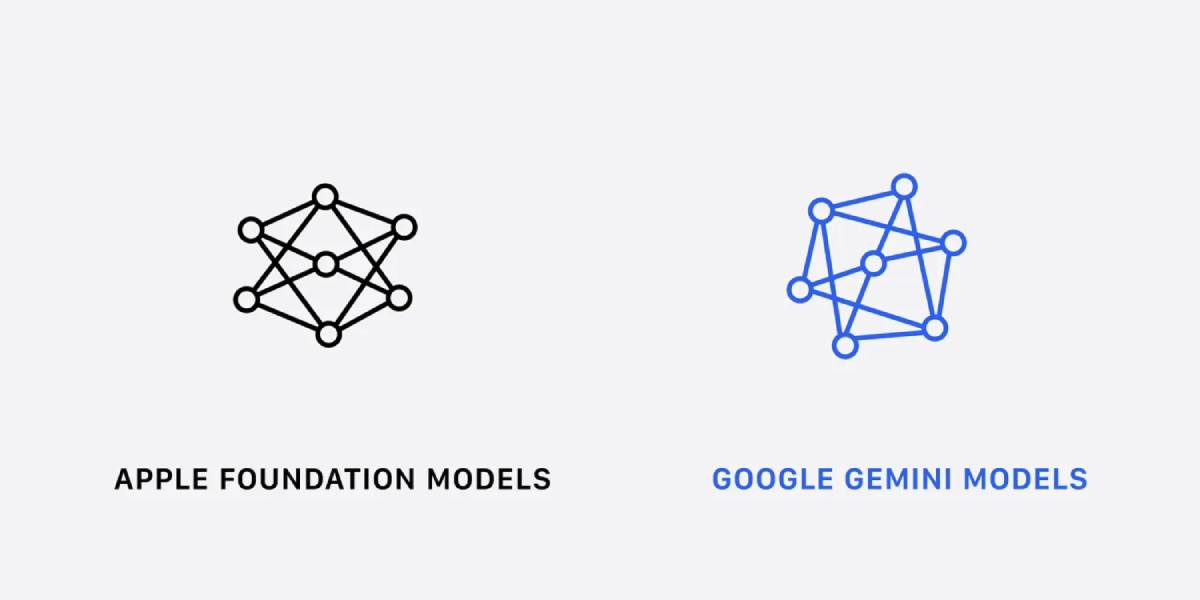
A major development unfolded in the consumer AI market as Apple unveiled a significantly upgraded Siri, drawing immediate comparisons with Google’s Gemini-powered Android experience. The announcement signals a new phase in the AI assistant race, with both technology giants competing to make artificial intelligence the primary interface for everyday digital interactions.

Apple introduced new AI-driven capabilities for Siri as part of its broader Apple Intelligence strategy, including enhanced contextual awareness, task automation, and deeper integration across devices and applications. Industry observers quickly compared these features with Google’s Gemini ecosystem, which has already been deployed across Android devices and Google services.

Key stakeholders include Apple, Google, smartphone manufacturers, developers, enterprise customers, and billions of mobile users worldwide. The comparison highlights growing competition in AI-powered personal assistants, where companies are seeking to transform smartphones into intelligent productivity platforms. The battle extends beyond software capabilities to ecosystem control, user engagement, and long-term leadership in consumer artificial intelligence.

The development comes amid an accelerating race among major technology firms to establish dominance in generative AI and intelligent digital assistants. For years, voice assistants such as Siri, Google Assistant, and others offered limited functionality focused on basic commands and information retrieval. The emergence of advanced large language models has dramatically expanded expectations for what digital assistants can accomplish.

Google has spent the past several years integrating Gemini into Android, Search, Workspace, and cloud services, positioning AI as a central pillar of its product strategy. Apple, meanwhile, has pursued a more measured approach, emphasizing privacy, device integration, and user experience.

The development aligns with a broader trend across global markets where AI is becoming deeply embedded within operating systems rather than existing as standalone applications. Control over the AI assistant layer is increasingly viewed as a strategic gateway to future digital ecosystems.

Technology analysts view the comparison between Siri and Gemini as a defining benchmark in the next stage of consumer AI competition. Experts note that while model performance remains important, real-world success will depend on integration, reliability, privacy protections, and the ability to perform complex actions across apps and services.

Industry observers suggest Google currently benefits from an early-mover advantage due to Gemini’s broader deployment across Android and cloud-based services. However, analysts argue Apple’s tightly integrated ecosystem could provide significant advantages in delivering seamless user experiences.

Market commentators also highlight the growing importance of ecosystem lock-in. As AI assistants become more capable, they are expected to influence how consumers discover content, manage workflows, and interact with digital services. The company that successfully embeds AI into daily habits could gain a substantial competitive advantage in both consumer and enterprise markets.

For businesses, the rivalry between Apple and Google is likely to accelerate AI innovation across mobile platforms, creating new opportunities for application developers, service providers, and enterprise software vendors. Companies may increasingly design products around AI-native user interactions rather than traditional interfaces.

Investors will closely monitor adoption rates, customer engagement, and ecosystem growth as indicators of long-term competitive positioning. The outcome could influence market valuations across the broader AI sector.

From a policy perspective, the growing influence of AI assistants raises questions regarding data governance, platform competition, privacy protections, and digital market concentration. Regulators may intensify scrutiny as AI becomes a central gateway to information and online services.

The next phase will focus on how effectively Apple delivers its promised Siri enhancements and whether users perceive meaningful advantages over existing Gemini capabilities. Industry leaders will monitor feature rollouts, user adoption, and developer engagement throughout the coming year. As AI assistants evolve into primary digital interfaces, the competition between Apple and Google may shape the future direction of consumer technology and intelligent computing.

Source: 9to5Google
Date:
8 June 2026

  • Featured tools
Writesonic AI
Free

Writesonic AI is a versatile AI writing platform designed for marketers, entrepreneurs, and content creators. It helps users create blog posts, ad copies, product descriptions, social media posts, and more with ease. With advanced AI models and user-friendly tools, Writesonic streamlines content production and saves time for busy professionals.

#
Copywriting
Learn more
Figstack AI
Free

Figstack AI is an intelligent assistant for developers that explains code, generates docstrings, converts code between languages, and analyzes time complexity helping you work smarter, not harder.

#
Coding
Learn more

Learn more about future of AI

Join 80,000+ Ai enthusiast getting weekly updates on exciting AI tools.
Thank you! Your submission has been received!
Oops! Something went wrong while submitting the form.

Apple Siri Challenges Google Gemini Ecosystem

June 9, 2026

Apple introduced new AI-driven capabilities for Siri as part of its broader Apple Intelligence strategy, including enhanced contextual awareness, task automation, and deeper integration across devices and applications.

Image Source: 9to5Google

A major development unfolded in the consumer AI market as Apple unveiled a significantly upgraded Siri, drawing immediate comparisons with Google’s Gemini-powered Android experience. The announcement signals a new phase in the AI assistant race, with both technology giants competing to make artificial intelligence the primary interface for everyday digital interactions.

Apple introduced new AI-driven capabilities for Siri as part of its broader Apple Intelligence strategy, including enhanced contextual awareness, task automation, and deeper integration across devices and applications. Industry observers quickly compared these features with Google’s Gemini ecosystem, which has already been deployed across Android devices and Google services.

Key stakeholders include Apple, Google, smartphone manufacturers, developers, enterprise customers, and billions of mobile users worldwide. The comparison highlights growing competition in AI-powered personal assistants, where companies are seeking to transform smartphones into intelligent productivity platforms. The battle extends beyond software capabilities to ecosystem control, user engagement, and long-term leadership in consumer artificial intelligence.

The development comes amid an accelerating race among major technology firms to establish dominance in generative AI and intelligent digital assistants. For years, voice assistants such as Siri, Google Assistant, and others offered limited functionality focused on basic commands and information retrieval. The emergence of advanced large language models has dramatically expanded expectations for what digital assistants can accomplish.

Google has spent the past several years integrating Gemini into Android, Search, Workspace, and cloud services, positioning AI as a central pillar of its product strategy. Apple, meanwhile, has pursued a more measured approach, emphasizing privacy, device integration, and user experience.

The development aligns with a broader trend across global markets where AI is becoming deeply embedded within operating systems rather than existing as standalone applications. Control over the AI assistant layer is increasingly viewed as a strategic gateway to future digital ecosystems.

Technology analysts view the comparison between Siri and Gemini as a defining benchmark in the next stage of consumer AI competition. Experts note that while model performance remains important, real-world success will depend on integration, reliability, privacy protections, and the ability to perform complex actions across apps and services.

Industry observers suggest Google currently benefits from an early-mover advantage due to Gemini’s broader deployment across Android and cloud-based services. However, analysts argue Apple’s tightly integrated ecosystem could provide significant advantages in delivering seamless user experiences.

Market commentators also highlight the growing importance of ecosystem lock-in. As AI assistants become more capable, they are expected to influence how consumers discover content, manage workflows, and interact with digital services. The company that successfully embeds AI into daily habits could gain a substantial competitive advantage in both consumer and enterprise markets.

For businesses, the rivalry between Apple and Google is likely to accelerate AI innovation across mobile platforms, creating new opportunities for application developers, service providers, and enterprise software vendors. Companies may increasingly design products around AI-native user interactions rather than traditional interfaces.

Investors will closely monitor adoption rates, customer engagement, and ecosystem growth as indicators of long-term competitive positioning. The outcome could influence market valuations across the broader AI sector.

From a policy perspective, the growing influence of AI assistants raises questions regarding data governance, platform competition, privacy protections, and digital market concentration. Regulators may intensify scrutiny as AI becomes a central gateway to information and online services.

The next phase will focus on how effectively Apple delivers its promised Siri enhancements and whether users perceive meaningful advantages over existing Gemini capabilities. Industry leaders will monitor feature rollouts, user adoption, and developer engagement throughout the coming year. As AI assistants evolve into primary digital interfaces, the competition between Apple and Google may shape the future direction of consumer technology and intelligent computing.

Source: 9to5Google
Date:
8 June 2026

Promote Your Tool

Copy Embed Code

Similar Blogs

June 16, 2026
|

Best Revenue & Sales Enablement Consulting Services in USA

Revenue and sales enablement consulting firms play a crucial role in helping organizations build scalable growth engines. Whether the goal is improving sales execution, implementing revenue operations, optimizing technology platforms.
Read more
June 16, 2026
|

Best Sales Consulting Services in USA

The best sales consulting firms do more than improve sales performance they help organizations build scalable revenue engines that support long-term growth.
Read more
June 16, 2026
|

Best CRM Consulting Services in USA

A successful CRM implementation requires more than technology it requires the right strategy, processes, and expertise. The best CRM consulting firms help organizations align customer relationship management with broader business objectives.
Read more
June 16, 2026
|

Best Pricing Strategy Consulting Services in USA

Pricing strategy remains one of the highest-impact growth levers available to modern businesses. Whether you're launching a new product, optimizing an existing pricing structure.
Read more
June 16, 2026
|

Best GTM Consulting Services in USA

Go-to-market execution has become one of the most important drivers of business success. Organizations that effectively align product strategy, marketing, sales, customer success.
Read more
June 16, 2026
|

Best Revenue Management Consulting Services in USA

Revenue management has become a critical discipline for organizations seeking sustainable growth in increasingly competitive markets. Companies that effectively align pricing, sales, marketing, operations.
Read more