
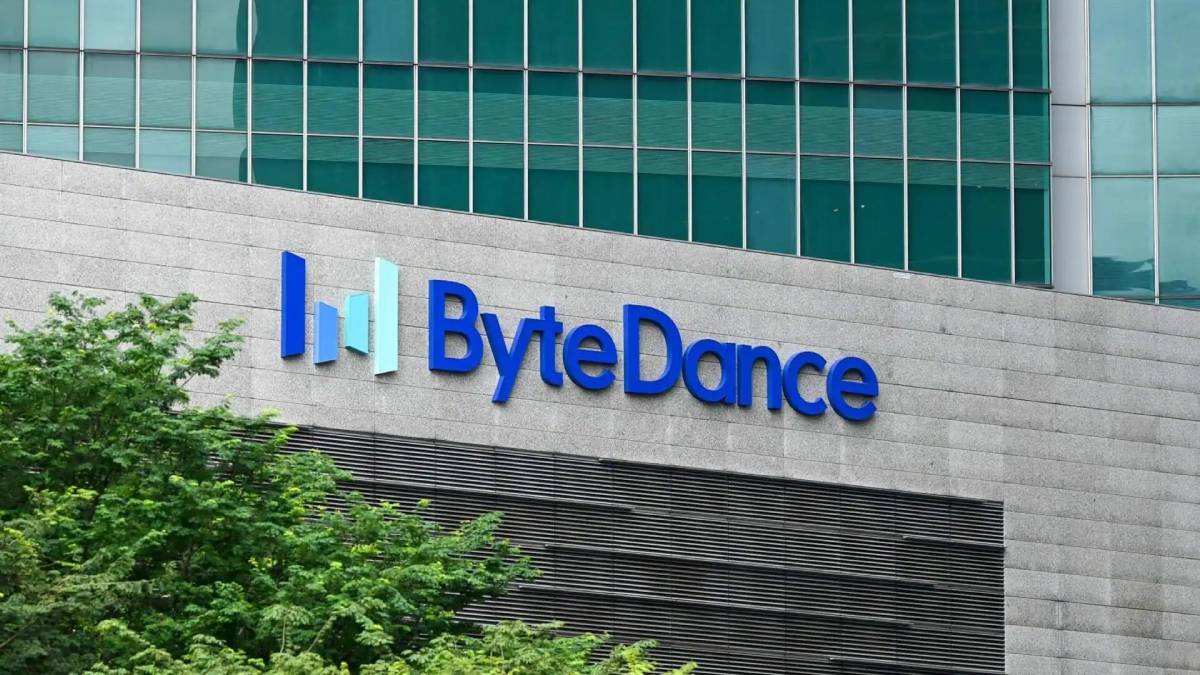
ByteDance AI Ambitions Hindered by Compute, Copyright Limits

ByteDance, the Chinese tech powerhouse behind TikTok, faces mounting obstacles in its AI expansion as limited access to high-performance computing and ongoing copyright disputes slow its ambitions.

March 30, 2026
|

ByteDance, the Chinese tech powerhouse behind TikTok, faces mounting obstacles in its AI expansion as limited access to high-performance computing and ongoing copyright disputes slow its ambitions. The constraints threaten the firm’s competitive edge in generative AI, raising concerns for global investors, partners, and policymakers monitoring China’s technology sector and the broader international AI race.

  • ByteDance’s AI projects, including generative content models, are constrained by restricted GPU availability amid global chip shortages.
  • Copyright enforcement issues hinder the company’s ability to train large AI models on vast datasets of media content.
  • Analysts note that competitors like OpenAI, Google, and Nvidia have easier access to cloud computing and specialized hardware, widening the technology gap.
  • The company’s strategic priorities for 2026 include AI-powered content moderation, creative tools, and enterprise AI applications, but progress remains uneven.
  • These challenges coincide with intensified scrutiny from Chinese regulators on both data privacy and intellectual property compliance.

ByteDance’s struggles reflect a broader tension in China’s AI ecosystem. While Beijing has prioritized AI development as a national strategic objective, domestic firms face bottlenecks in computing resources and legal frameworks that govern content usage. Global semiconductor restrictions and export controls on advanced GPUs exacerbate these constraints, limiting the pace at which Chinese companies can scale generative AI technologies.

Copyright and licensing disputes further complicate content sourcing for AI training datasets, creating potential legal and financial exposure. This contrasts with Western AI companies that benefit from more open access to data and cloud infrastructure. ByteDance’s situation also underscores geopolitical factors, including U.S.-China tech rivalry, which influences supply chain access and international partnerships. As a result, ByteDance’s AI roadmap is under intense pressure to deliver innovation while navigating compliance and hardware limitations.

Industry analysts warn that ByteDance’s compute bottlenecks could slow its global AI competitiveness. “Without scalable access to high-end GPUs, Chinese AI firms face inherent delays compared to U.S. counterparts,” said a senior analyst at a Hong Kong-based technology consultancy.

Corporate insiders indicate that copyright challenges are equally pressing, as content licensing disputes restrict the datasets available for AI model training. “Intellectual property compliance is critical; ignoring it could invite regulatory action and reputational damage,” said a ByteDance spokesperson.

Market strategists highlight that ByteDance’s AI ambitions remain significant despite these hurdles, pointing to the company’s investment in AI-driven creative tools, content moderation, and enterprise applications. Experts note that successful navigation of compute and copyright constraints could position ByteDance as a formidable player in the global AI ecosystem over the next five years.

For executives and investors, ByteDance’s constraints signal a need to reassess the competitive landscape in generative AI. Companies relying on Chinese AI partnerships may face delays or higher costs, particularly for content-focused AI solutions. Intellectual property enforcement and compliance become critical risk factors for international collaboration and licensing agreements.

Policy makers in China and abroad must weigh the implications of restricted compute access and copyright enforcement on innovation, market competitiveness, and technology self-reliance. Analysts suggest that firms may need contingency plans for sourcing cloud computing infrastructure or diversifying datasets to maintain AI development momentum. Consumers could experience slower rollout of AI-powered content features, while investors monitor regulatory and resource risk closely.

ByteDance’s next steps hinge on securing advanced compute resources and resolving copyright bottlenecks. Executives are likely to explore partnerships with cloud providers, optimize AI model efficiency, and strengthen legal frameworks for content usage. Decision-makers should monitor supply chain developments, regulatory updates, and competitor performance to gauge potential shifts in global AI leadership. The company’s trajectory will influence both domestic innovation policy and international perceptions of China’s AI capabilities.

Source: Wired
Date: March 6, 2026

  • Featured tools
Figstack AI
Free

Figstack AI is an intelligent assistant for developers that explains code, generates docstrings, converts code between languages, and analyzes time complexity helping you work smarter, not harder.

#
Coding
Learn more
Twistly AI
Paid

Twistly AI is a PowerPoint add-in that allows users to generate full slide decks, improve existing presentations, and convert various content types into polished slides directly within Microsoft PowerPoint.It streamlines presentation creation using AI-powered text analysis, image generation and content conversion.

#
Presentation
Learn more

Learn more about future of AI

Join 80,000+ Ai enthusiast getting weekly updates on exciting AI tools.
Thank you! Your submission has been received!
Oops! Something went wrong while submitting the form.

ByteDance AI Ambitions Hindered by Compute, Copyright Limits

March 30, 2026

ByteDance, the Chinese tech powerhouse behind TikTok, faces mounting obstacles in its AI expansion as limited access to high-performance computing and ongoing copyright disputes slow its ambitions.

ByteDance, the Chinese tech powerhouse behind TikTok, faces mounting obstacles in its AI expansion as limited access to high-performance computing and ongoing copyright disputes slow its ambitions. The constraints threaten the firm’s competitive edge in generative AI, raising concerns for global investors, partners, and policymakers monitoring China’s technology sector and the broader international AI race.

  • ByteDance’s AI projects, including generative content models, are constrained by restricted GPU availability amid global chip shortages.
  • Copyright enforcement issues hinder the company’s ability to train large AI models on vast datasets of media content.
  • Analysts note that competitors like OpenAI, Google, and Nvidia have easier access to cloud computing and specialized hardware, widening the technology gap.
  • The company’s strategic priorities for 2026 include AI-powered content moderation, creative tools, and enterprise AI applications, but progress remains uneven.
  • These challenges coincide with intensified scrutiny from Chinese regulators on both data privacy and intellectual property compliance.

ByteDance’s struggles reflect a broader tension in China’s AI ecosystem. While Beijing has prioritized AI development as a national strategic objective, domestic firms face bottlenecks in computing resources and legal frameworks that govern content usage. Global semiconductor restrictions and export controls on advanced GPUs exacerbate these constraints, limiting the pace at which Chinese companies can scale generative AI technologies.

Copyright and licensing disputes further complicate content sourcing for AI training datasets, creating potential legal and financial exposure. This contrasts with Western AI companies that benefit from more open access to data and cloud infrastructure. ByteDance’s situation also underscores geopolitical factors, including U.S.-China tech rivalry, which influences supply chain access and international partnerships. As a result, ByteDance’s AI roadmap is under intense pressure to deliver innovation while navigating compliance and hardware limitations.

Industry analysts warn that ByteDance’s compute bottlenecks could slow its global AI competitiveness. “Without scalable access to high-end GPUs, Chinese AI firms face inherent delays compared to U.S. counterparts,” said a senior analyst at a Hong Kong-based technology consultancy.

Corporate insiders indicate that copyright challenges are equally pressing, as content licensing disputes restrict the datasets available for AI model training. “Intellectual property compliance is critical; ignoring it could invite regulatory action and reputational damage,” said a ByteDance spokesperson.

Market strategists highlight that ByteDance’s AI ambitions remain significant despite these hurdles, pointing to the company’s investment in AI-driven creative tools, content moderation, and enterprise applications. Experts note that successful navigation of compute and copyright constraints could position ByteDance as a formidable player in the global AI ecosystem over the next five years.

For executives and investors, ByteDance’s constraints signal a need to reassess the competitive landscape in generative AI. Companies relying on Chinese AI partnerships may face delays or higher costs, particularly for content-focused AI solutions. Intellectual property enforcement and compliance become critical risk factors for international collaboration and licensing agreements.

Policy makers in China and abroad must weigh the implications of restricted compute access and copyright enforcement on innovation, market competitiveness, and technology self-reliance. Analysts suggest that firms may need contingency plans for sourcing cloud computing infrastructure or diversifying datasets to maintain AI development momentum. Consumers could experience slower rollout of AI-powered content features, while investors monitor regulatory and resource risk closely.

ByteDance’s next steps hinge on securing advanced compute resources and resolving copyright bottlenecks. Executives are likely to explore partnerships with cloud providers, optimize AI model efficiency, and strengthen legal frameworks for content usage. Decision-makers should monitor supply chain developments, regulatory updates, and competitor performance to gauge potential shifts in global AI leadership. The company’s trajectory will influence both domestic innovation policy and international perceptions of China’s AI capabilities.

Source: Wired
Date: March 6, 2026

Promote Your Tool

Copy Embed Code

Similar Blogs

June 26, 2026
|

AlpineAI Raises Seed Round

AlpineAI has successfully closed a double-digit million seed funding round aimed at accelerating the development of sovereign AI technologies.
Read more
June 26, 2026
|

BLP Digital Raises $50M Funding Round

BLP Digital has secured $50 million in strategic funding from Goldman Sachs to accelerate the expansion of its AI-driven enterprise solutions.
Read more
June 26, 2026
|

Giotto AI RUAG Secure AI

Giotto.ai and RUAG have entered into a cooperation agreement focused on the distribution and deployment of state-of-the-art AI solutions across defense and industrial domains.
Read more
June 26, 2026
|

Fruitful AI Secures Funding Round

Fruitful AI has successfully completed a strategic investment round, strengthening its financial position to scale operations and enhance its AI-driven product suite.
Read more
June 26, 2026
|

Visium Raises AI Funding Round

Visium has successfully raised fresh funding aimed at scaling its operations across key European markets and expanding deeper into the US enterprise AI ecosystem.
Read more
June 26, 2026
|

Nuclidium Raises CHF 105M Series B

Nuclidium has successfully expanded its Series B funding round to CHF 105 million through a latest extension, attracting continued backing from existing and new investors.
Read more