



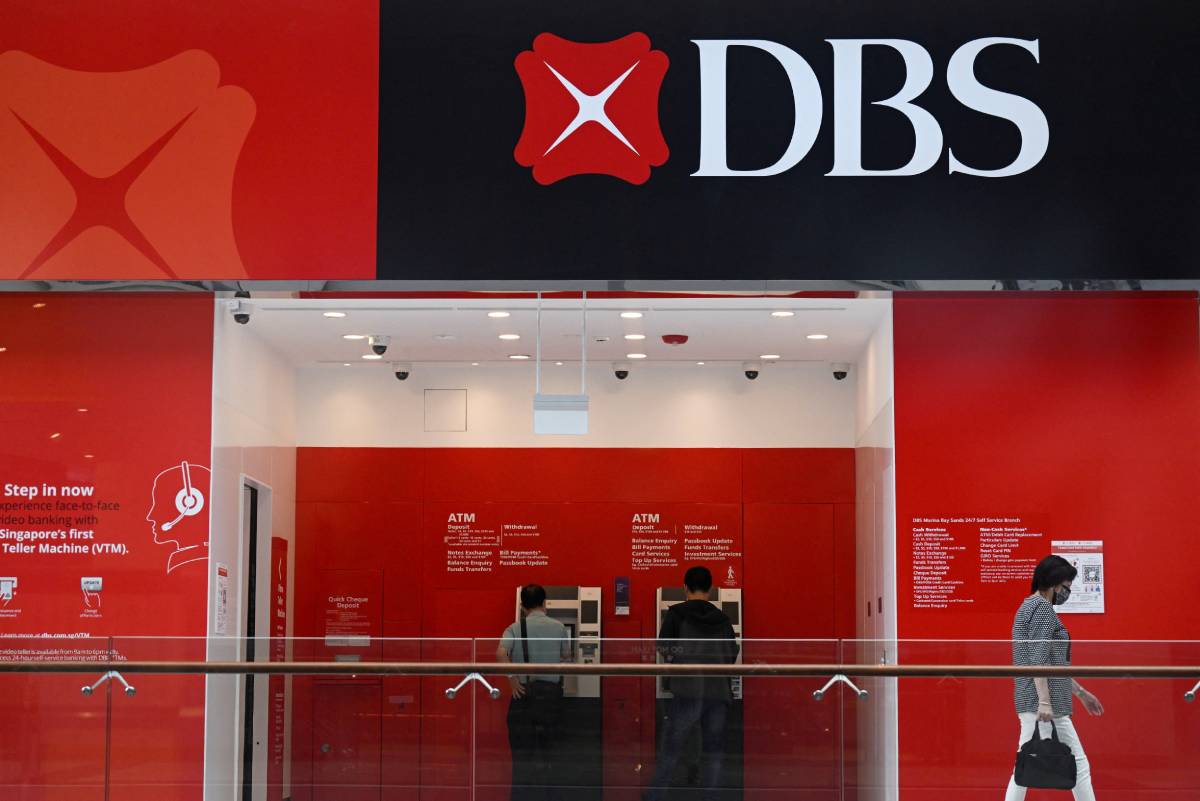
A major capital markets development unfolded in Asia as DBS Bank partnered with Granite Asia to close a $110 million AI-focused pre-IPO fund for wealth clients. The move highlights rising investor appetite for artificial intelligence listings and signals a strategic shift in private banking allocation strategies.
DBS and Granite Asia have successfully raised $110 million for a fund targeting late-stage artificial intelligence companies ahead of potential public listings. The fund is tailored primarily for DBS’s high-net-worth and private banking clients.
The strategy focuses on capturing value in AI firms before IPO events, positioning investors for potential upside as companies transition to public markets.
The partnership reflects growing institutionalization of AI investment themes across Asia-Pacific wealth channels. By collaborating with an established private equity platform, DBS aims to offer curated exposure to AI innovation while managing risk through structured access.
The fund’s closure underscores sustained investor confidence in AI-driven growth sectors despite broader market volatility.
The development aligns with a broader trend across global markets where AI has become a dominant capital allocation theme. From semiconductor firms to enterprise software providers, AI-linked equities have driven significant public market performance in recent years.
Private wealth managers are increasingly seeking differentiated access to high-growth sectors, particularly in pre-IPO environments where valuations may offer asymmetric returns. Asia-Pacific financial institutions are intensifying efforts to retain affluent clients by expanding alternative investment products.
The resurgence of IPO pipelines in select technology sectors especially AIMhas further fueled interest in structured pre-listing funds. Against a backdrop of evolving monetary policy and selective risk appetite, targeted thematic funds allow banks to capture innovation-driven demand while strengthening client engagement.
Market analysts suggest the partnership reflects the maturation of AI as an investable asset class rather than a speculative narrative. Structured exposure through private vehicles allows wealth clients to access growth while mitigating the volatility of direct public equity participation.
Industry observers note that collaborations between private banks and private equity firms can enhance due diligence, deal sourcing, and governance oversight. This is particularly critical in AI, where technological differentiation and regulatory scrutiny can materially impact valuations.
Strategists argue that by launching a dedicated AI IPO fund, DBS is positioning itself as a regional innovation gateway for affluent investors. The move may also signal competitive pressure among Asian wealth managers to offer more sophisticated technology-themed alternatives.
For businesses in the AI sector, the fund represents deeper pools of pre-IPO capital and potential valuation support ahead of listings. Companies may find increased opportunities to secure strategic investors before entering public markets.
Investors gain structured access to high-growth AI firms, though exposure to late-stage private valuations carries inherent liquidity and execution risks. Regulators may monitor the expansion of thematic private funds to ensure transparency and investor protection, particularly as AI-related assets attract heightened enthusiasm.
For C-suite leaders in finance, the development underscores the growing integration of AI into mainstream wealth advisory frameworks. Market participants will closely track the performance of AI-linked IPOs to assess whether pre-IPO strategies deliver expected returns. Sustained public market demand for AI equities will be critical to validating the fund’s thesis.
As capital continues flowing into artificial intelligence, structured investment vehicles may become a defining feature of private wealth portfolios across Asia.
Source: Reuters
Date: February 23, 2026


