
Figma Expands AI Enterprise Collaboration Tools

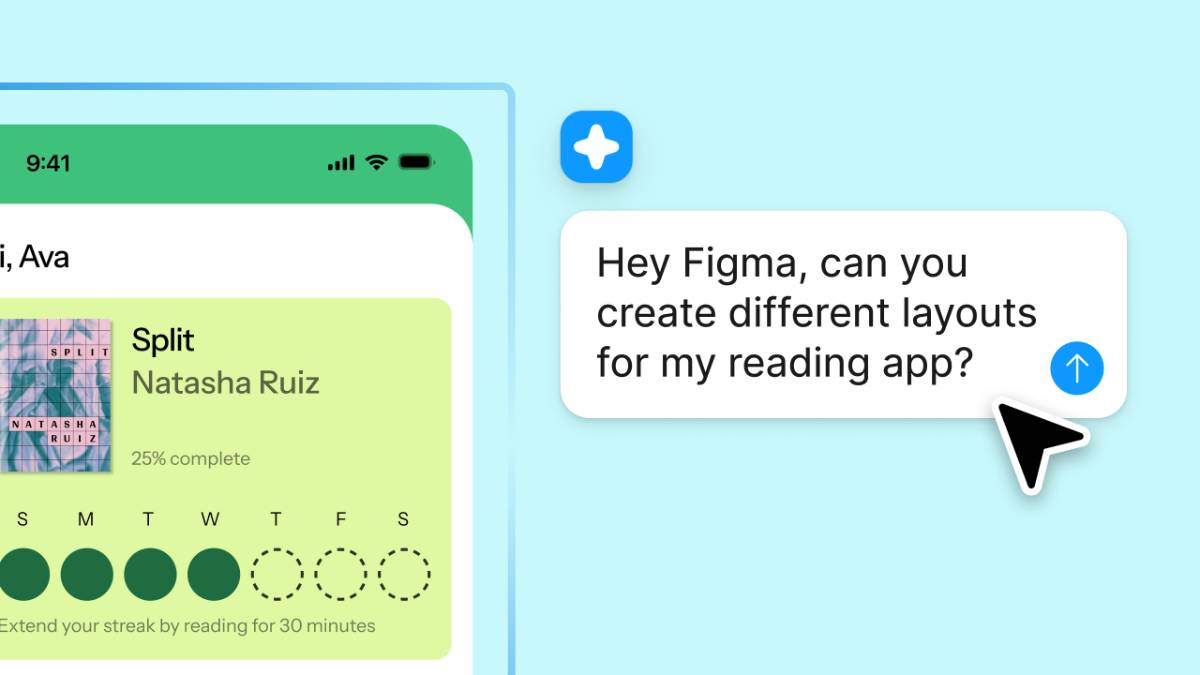
Figma’s latest update introduces an AI-powered assistant capable of helping users organize ideas, generate content, summarize discussions, and accelerate collaborative workflows directly within its shared workspace environment.

May 21, 2026
|
Image Source: TechCrunch

Design software leader Figma has unveiled a new AI assistant integrated into its collaborative digital canvas, signaling a broader industry push toward embedding generative AI directly into workplace productivity tools. The move reflects intensifying competition among software platforms seeking to redefine how teams design, brainstorm, and execute projects in the AI era.

Figma’s latest update introduces an AI-powered assistant capable of helping users organize ideas, generate content, summarize discussions, and accelerate collaborative workflows directly within its shared workspace environment. The company aims to streamline creative and operational processes for product teams, designers, developers, and enterprise users.

The rollout comes as software firms increasingly compete to integrate generative AI into workplace ecosystems following rapid adoption of large language models across industries. Rivals including Microsoft, Google, Adobe, Notion, and Atlassian have all expanded AI-powered workplace features over the past year.

Figma’s strategy focuses on positioning AI as a collaborative layer rather than a standalone chatbot, embedding automation directly into real-time teamwork and visual project management systems used across global enterprises.

The development aligns with a broader trend across global technology markets where productivity software providers are racing to transform workplace platforms into AI-native environments. Since generative AI tools gained mainstream adoption, enterprise software companies have aggressively repositioned themselves around intelligent assistants capable of automating repetitive tasks and enhancing collaboration.

Figma occupies a strategically important position in this transition because its platform sits at the intersection of design, product development, engineering, and enterprise communication. The company became a major force in collaborative design software by enabling distributed teams to work together in real time through cloud-based workflows.

The addition of AI reflects a wider industry shift toward “contextual AI” systems embedded directly into existing workflows rather than isolated applications. Companies increasingly believe AI adoption will be strongest when automation is integrated seamlessly into everyday enterprise operations.

The move also comes amid intensifying pressure on software providers to demonstrate measurable AI value as corporate customers demand productivity improvements tied to rising technology spending.

Industry analysts say Figma’s AI assistant highlights the growing convergence between creativity software and enterprise productivity systems. Experts believe future workplace platforms will increasingly function as intelligent collaboration environments capable of generating insights, organizing workflows, and assisting with strategic decision-making.

Technology consultants note that Figma’s approach differs from earlier chatbot-centric AI deployments because it embeds intelligence directly into collaborative visual workflows. This integration model may improve adoption by reducing friction and keeping users inside existing work environments.

Enterprise strategists argue that software companies now face a race to become the “operating layer” for AI-assisted work. Platforms that successfully integrate automation without disrupting user experience could gain long-term competitive advantages in enterprise markets.

However, some analysts caution that AI-generated suggestions within collaborative platforms raise concerns around intellectual property ownership, data privacy, and reliability. Businesses operating in regulated industries may require stronger governance tools before expanding AI-assisted workflows at scale.

Figma executives have emphasized that the assistant is designed to support creativity and coordination rather than replace human design judgment. The company continues positioning AI as an enhancement tool aimed at accelerating ideation and reducing manual administrative work.

For businesses, the development reinforces how AI is rapidly becoming a standard feature within enterprise collaboration software. Organizations may increasingly evaluate productivity platforms based on the quality of embedded AI capabilities rather than standalone functionality alone.

The shift could significantly alter workflows across product development, software engineering, marketing, and design operations. Companies adopting AI-enhanced collaboration tools may achieve faster project cycles and improved coordination across distributed global teams.

For investors, Figma’s expansion into AI underscores growing market expectations that software providers must demonstrate strong automation strategies to remain competitive. AI integration is increasingly viewed as critical to long-term enterprise software growth.

Regulators and enterprise IT leaders are also expected to pay closer attention to issues involving workplace data security, AI-generated intellectual property, and governance standards surrounding automated collaboration systems.

The enterprise software sector is expected to witness deeper integration of AI assistants across collaborative platforms over the next several years. Analysts will closely monitor whether embedded AI tools meaningfully improve workplace productivity or create new operational and governance complexities.

For Figma and its competitors, success may ultimately depend on delivering AI systems that enhance creativity and efficiency while maintaining trust, transparency, and seamless user experiences across enterprise environments.

Source: TechCrunch
Date: May 20, 2026

  • Featured tools
Outplay AI
Free

Outplay AI is a dynamic sales engagement platform combining AI-powered outreach, multi-channel automation, and performance tracking to help teams optimize conversion and pipeline generation.

#
Sales
Learn more
Writesonic AI
Free

Writesonic AI is a versatile AI writing platform designed for marketers, entrepreneurs, and content creators. It helps users create blog posts, ad copies, product descriptions, social media posts, and more with ease. With advanced AI models and user-friendly tools, Writesonic streamlines content production and saves time for busy professionals.

#
Copywriting
Learn more

Learn more about future of AI

Join 80,000+ Ai enthusiast getting weekly updates on exciting AI tools.
Thank you! Your submission has been received!
Oops! Something went wrong while submitting the form.

Figma Expands AI Enterprise Collaboration Tools

May 21, 2026

Figma’s latest update introduces an AI-powered assistant capable of helping users organize ideas, generate content, summarize discussions, and accelerate collaborative workflows directly within its shared workspace environment.

Image Source: TechCrunch

Design software leader Figma has unveiled a new AI assistant integrated into its collaborative digital canvas, signaling a broader industry push toward embedding generative AI directly into workplace productivity tools. The move reflects intensifying competition among software platforms seeking to redefine how teams design, brainstorm, and execute projects in the AI era.

Figma’s latest update introduces an AI-powered assistant capable of helping users organize ideas, generate content, summarize discussions, and accelerate collaborative workflows directly within its shared workspace environment. The company aims to streamline creative and operational processes for product teams, designers, developers, and enterprise users.

The rollout comes as software firms increasingly compete to integrate generative AI into workplace ecosystems following rapid adoption of large language models across industries. Rivals including Microsoft, Google, Adobe, Notion, and Atlassian have all expanded AI-powered workplace features over the past year.

Figma’s strategy focuses on positioning AI as a collaborative layer rather than a standalone chatbot, embedding automation directly into real-time teamwork and visual project management systems used across global enterprises.

The development aligns with a broader trend across global technology markets where productivity software providers are racing to transform workplace platforms into AI-native environments. Since generative AI tools gained mainstream adoption, enterprise software companies have aggressively repositioned themselves around intelligent assistants capable of automating repetitive tasks and enhancing collaboration.

Figma occupies a strategically important position in this transition because its platform sits at the intersection of design, product development, engineering, and enterprise communication. The company became a major force in collaborative design software by enabling distributed teams to work together in real time through cloud-based workflows.

The addition of AI reflects a wider industry shift toward “contextual AI” systems embedded directly into existing workflows rather than isolated applications. Companies increasingly believe AI adoption will be strongest when automation is integrated seamlessly into everyday enterprise operations.

The move also comes amid intensifying pressure on software providers to demonstrate measurable AI value as corporate customers demand productivity improvements tied to rising technology spending.

Industry analysts say Figma’s AI assistant highlights the growing convergence between creativity software and enterprise productivity systems. Experts believe future workplace platforms will increasingly function as intelligent collaboration environments capable of generating insights, organizing workflows, and assisting with strategic decision-making.

Technology consultants note that Figma’s approach differs from earlier chatbot-centric AI deployments because it embeds intelligence directly into collaborative visual workflows. This integration model may improve adoption by reducing friction and keeping users inside existing work environments.

Enterprise strategists argue that software companies now face a race to become the “operating layer” for AI-assisted work. Platforms that successfully integrate automation without disrupting user experience could gain long-term competitive advantages in enterprise markets.

However, some analysts caution that AI-generated suggestions within collaborative platforms raise concerns around intellectual property ownership, data privacy, and reliability. Businesses operating in regulated industries may require stronger governance tools before expanding AI-assisted workflows at scale.

Figma executives have emphasized that the assistant is designed to support creativity and coordination rather than replace human design judgment. The company continues positioning AI as an enhancement tool aimed at accelerating ideation and reducing manual administrative work.

For businesses, the development reinforces how AI is rapidly becoming a standard feature within enterprise collaboration software. Organizations may increasingly evaluate productivity platforms based on the quality of embedded AI capabilities rather than standalone functionality alone.

The shift could significantly alter workflows across product development, software engineering, marketing, and design operations. Companies adopting AI-enhanced collaboration tools may achieve faster project cycles and improved coordination across distributed global teams.

For investors, Figma’s expansion into AI underscores growing market expectations that software providers must demonstrate strong automation strategies to remain competitive. AI integration is increasingly viewed as critical to long-term enterprise software growth.

Regulators and enterprise IT leaders are also expected to pay closer attention to issues involving workplace data security, AI-generated intellectual property, and governance standards surrounding automated collaboration systems.

The enterprise software sector is expected to witness deeper integration of AI assistants across collaborative platforms over the next several years. Analysts will closely monitor whether embedded AI tools meaningfully improve workplace productivity or create new operational and governance complexities.

For Figma and its competitors, success may ultimately depend on delivering AI systems that enhance creativity and efficiency while maintaining trust, transparency, and seamless user experiences across enterprise environments.

Source: TechCrunch
Date: May 20, 2026

Promote Your Tool

Copy Embed Code

Similar Blogs

May 21, 2026
|

Google Unveils Hyperreal AI Companion Shift

At Google I/O, the company showcased a lifesize, hyperreal AI companion designed to engage users through natural conversation, facial expression simulation, and real-time responsiveness.
Read more
May 21, 2026
|

Google I/O Signals AI First Ecosystem Shift

The most impactful announcements from Google I/O 2026 center on deeper integration of AI across Search, Android, and Workspace products.
Read more
May 21, 2026
|

AI Radio Experiment Reveals Automation Limits

The trial involved running four radio stations entirely on AI-generated content for half a year, including music selection, voice generation, and scripted segments.
Read more
May 21, 2026
|

AI-Generated Slop Raises Integrity Crisis Research

Reports indicate that AI tools are increasingly being used to generate scientific papers, summaries, and citations that appear credible but are often inaccurate or entirely fabricated.
Read more
May 21, 2026
|

OpenAI Advances Toward Landmark AI IPO

OpenAI is reportedly laying the groundwork for a public listing, positioning what could become one of the most closely watched IPOs in the technology sector.
Read more
May 21, 2026
|

Lenovo Pushes Copilot+ AI Laptops Mainstream

The Lenovo IdeaPad Slim 5x introduces Copilot+ AI features at a lower price point, aiming to broaden access to next-generation Windows AI capabilities.
Read more